
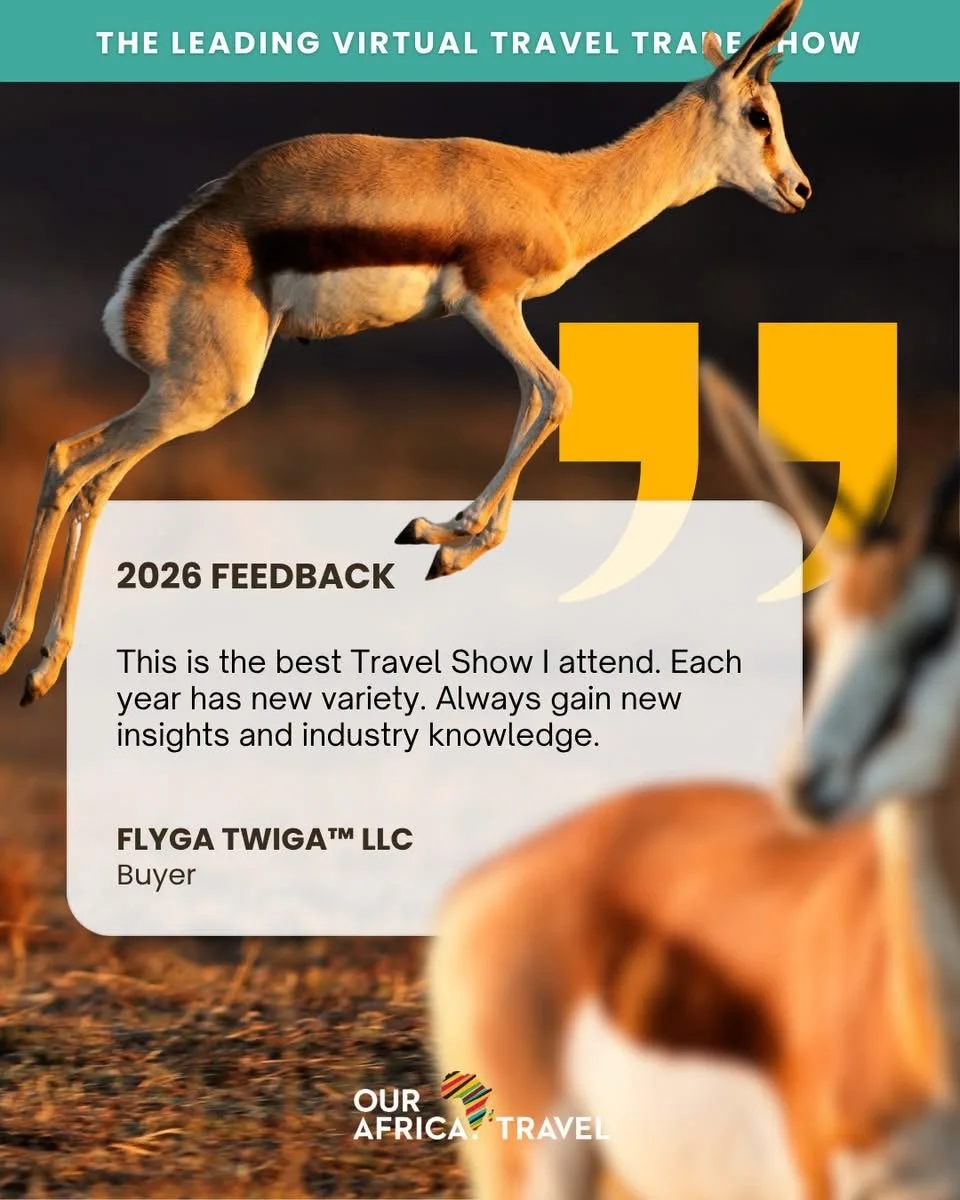
#TravelTuesday New Namibia Adventures are up! Flyin and Road Trips!
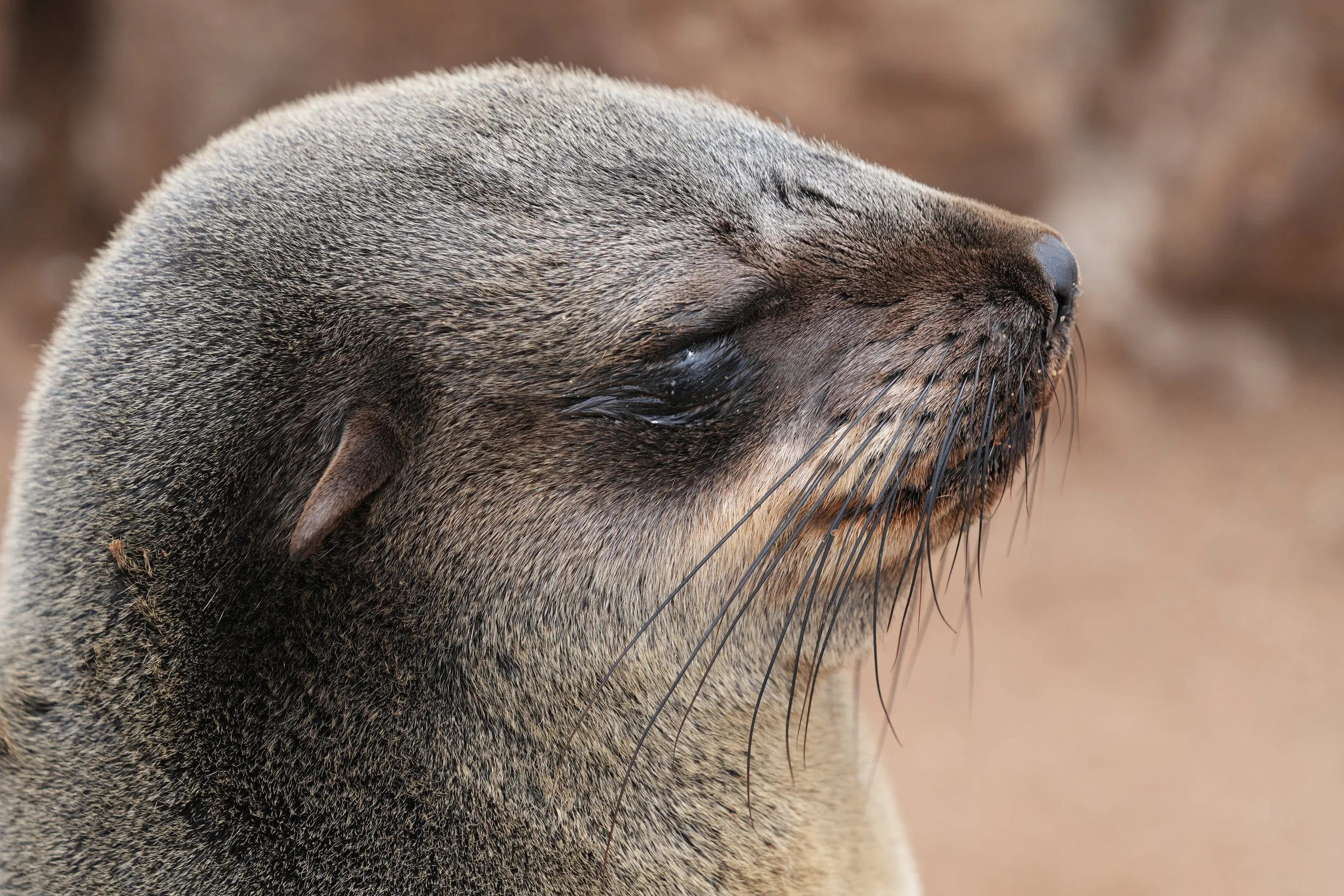
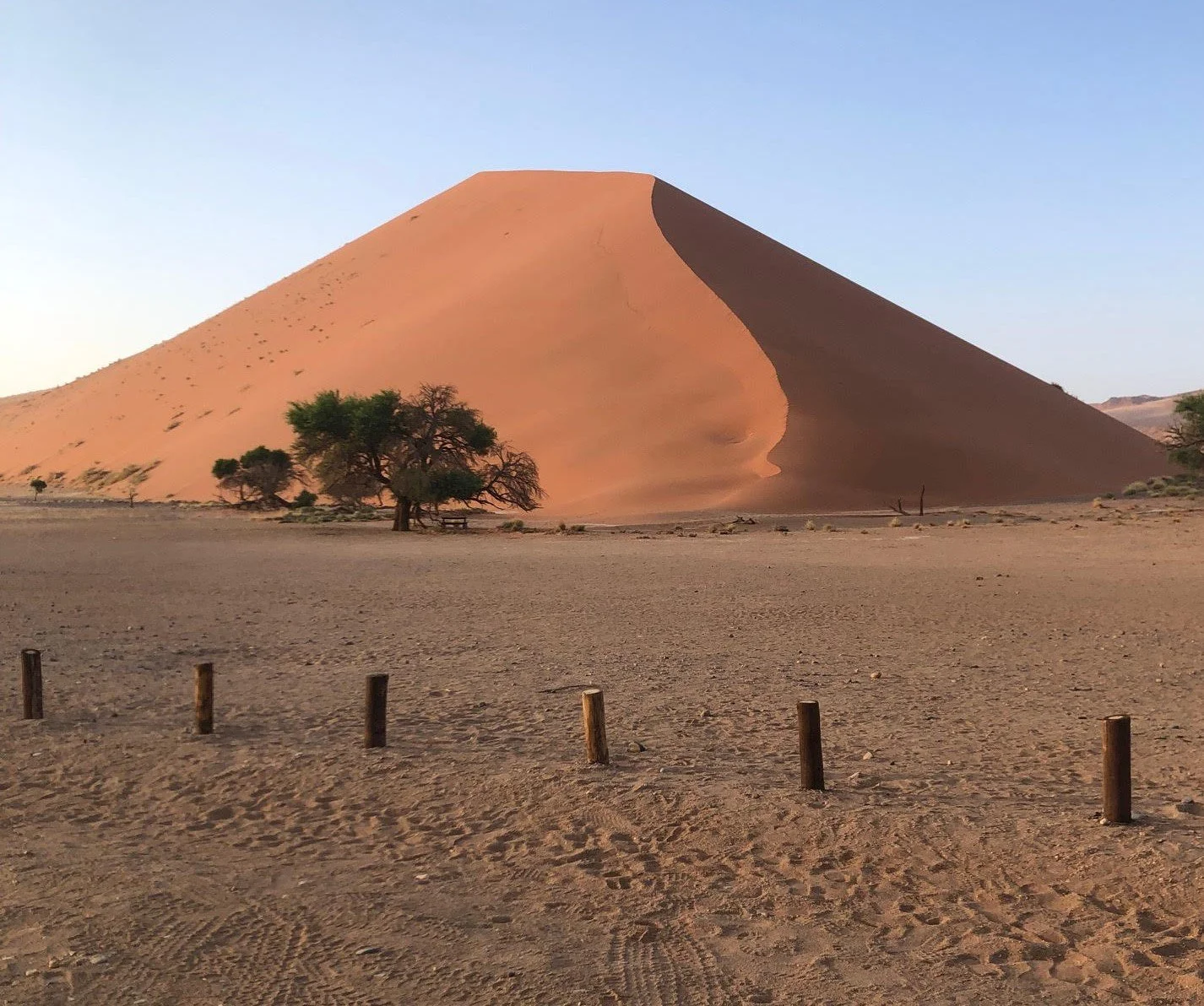
Namib-Naukluft National Park © Flyga Twiga™ LLC
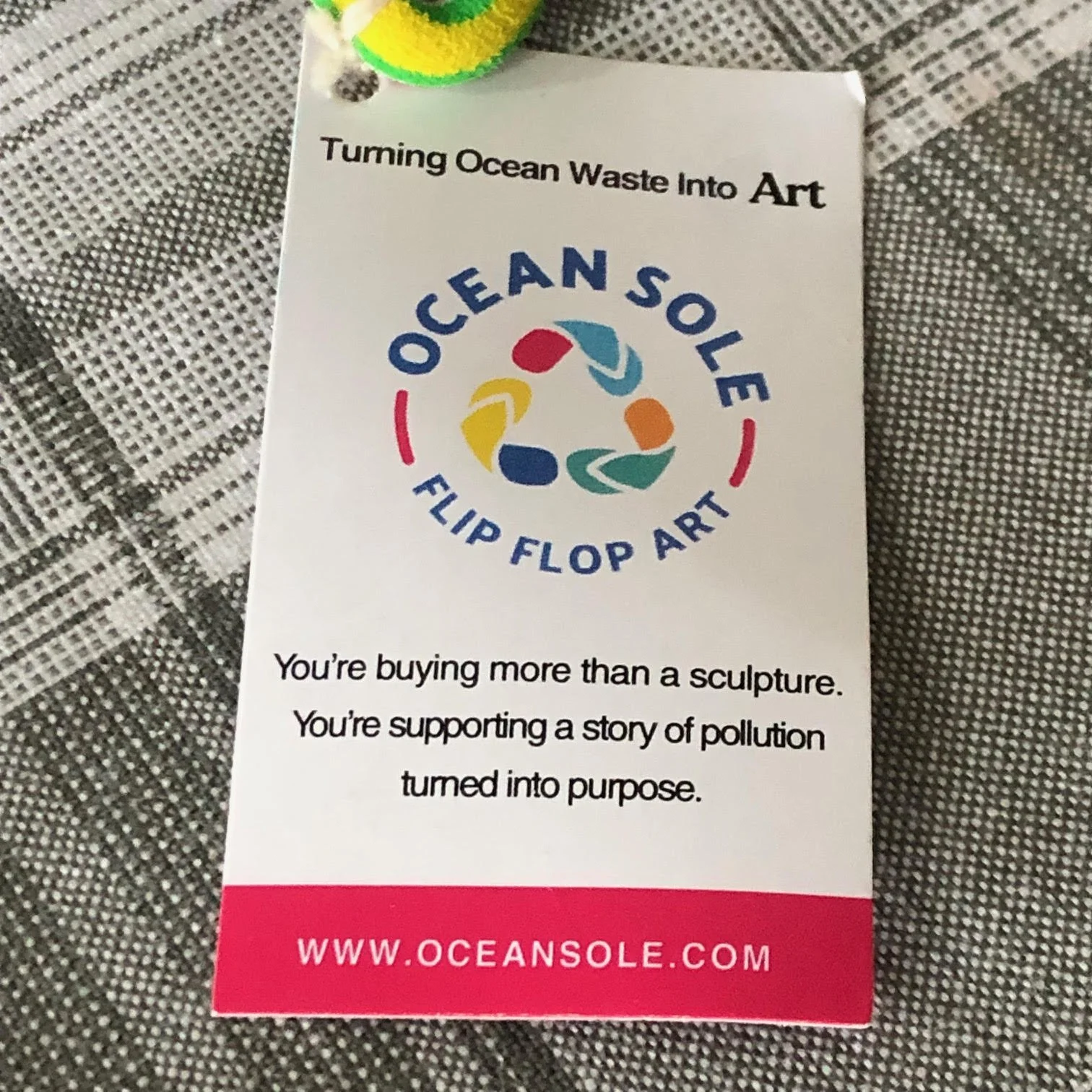
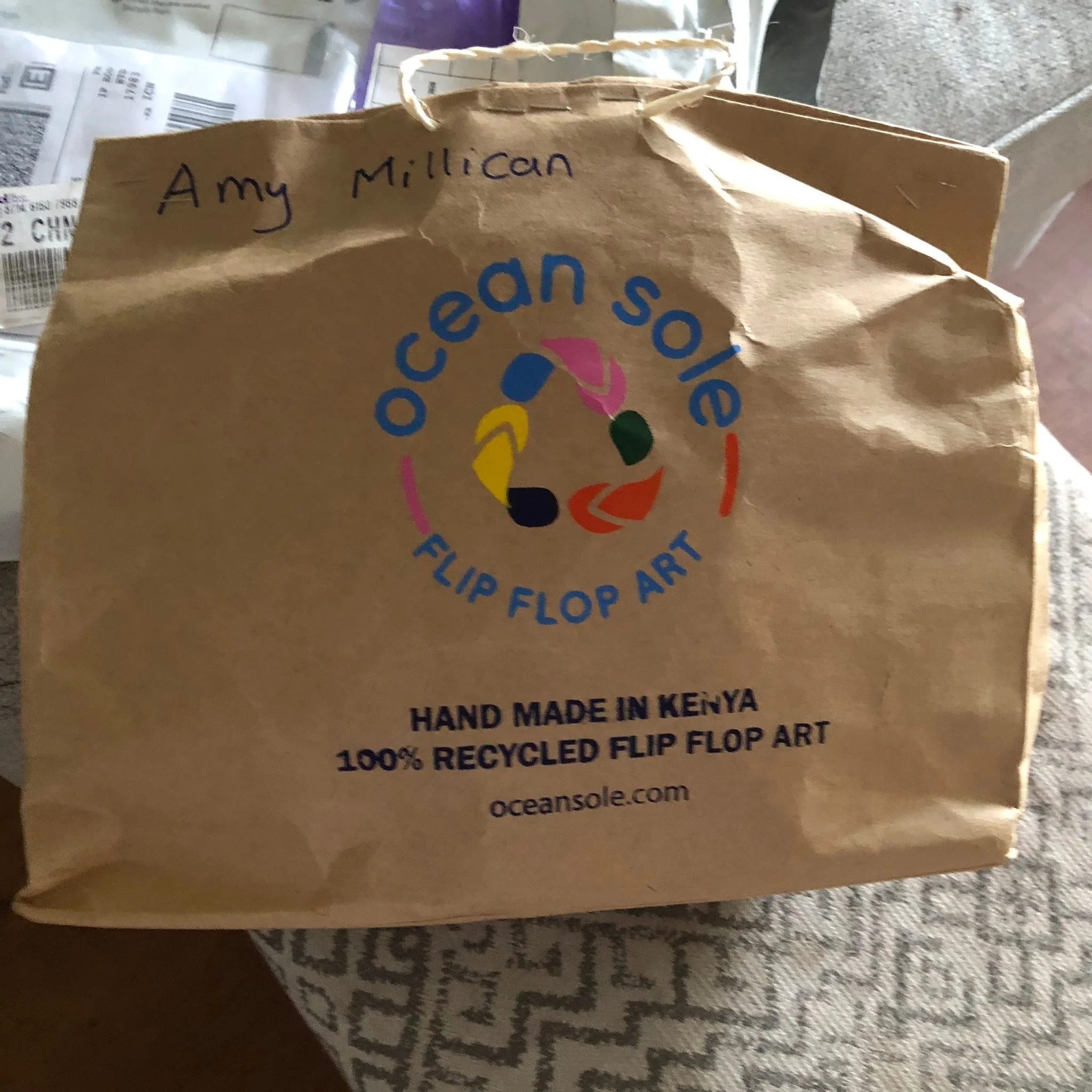
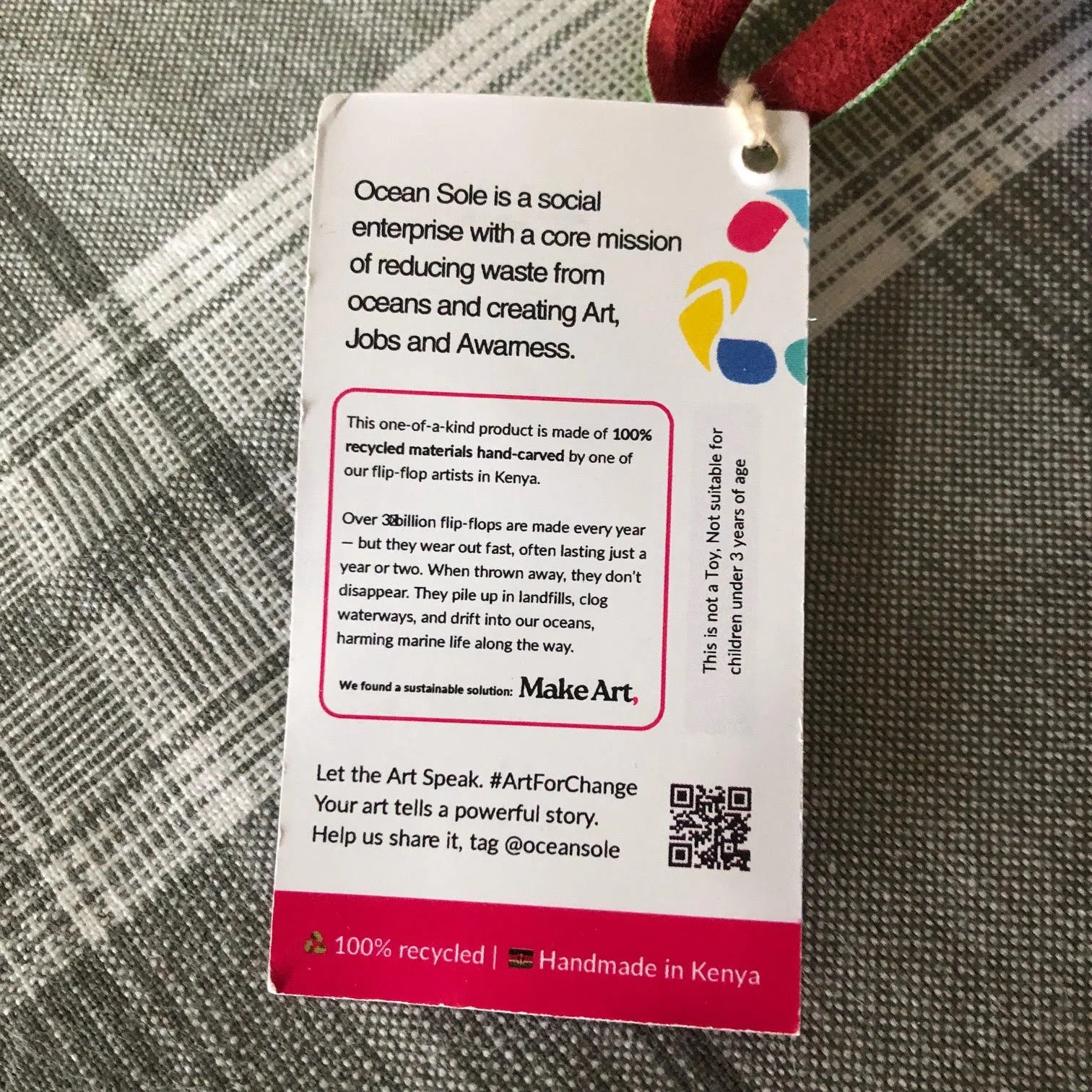
Thank you Ocean Sole - What a Collab!
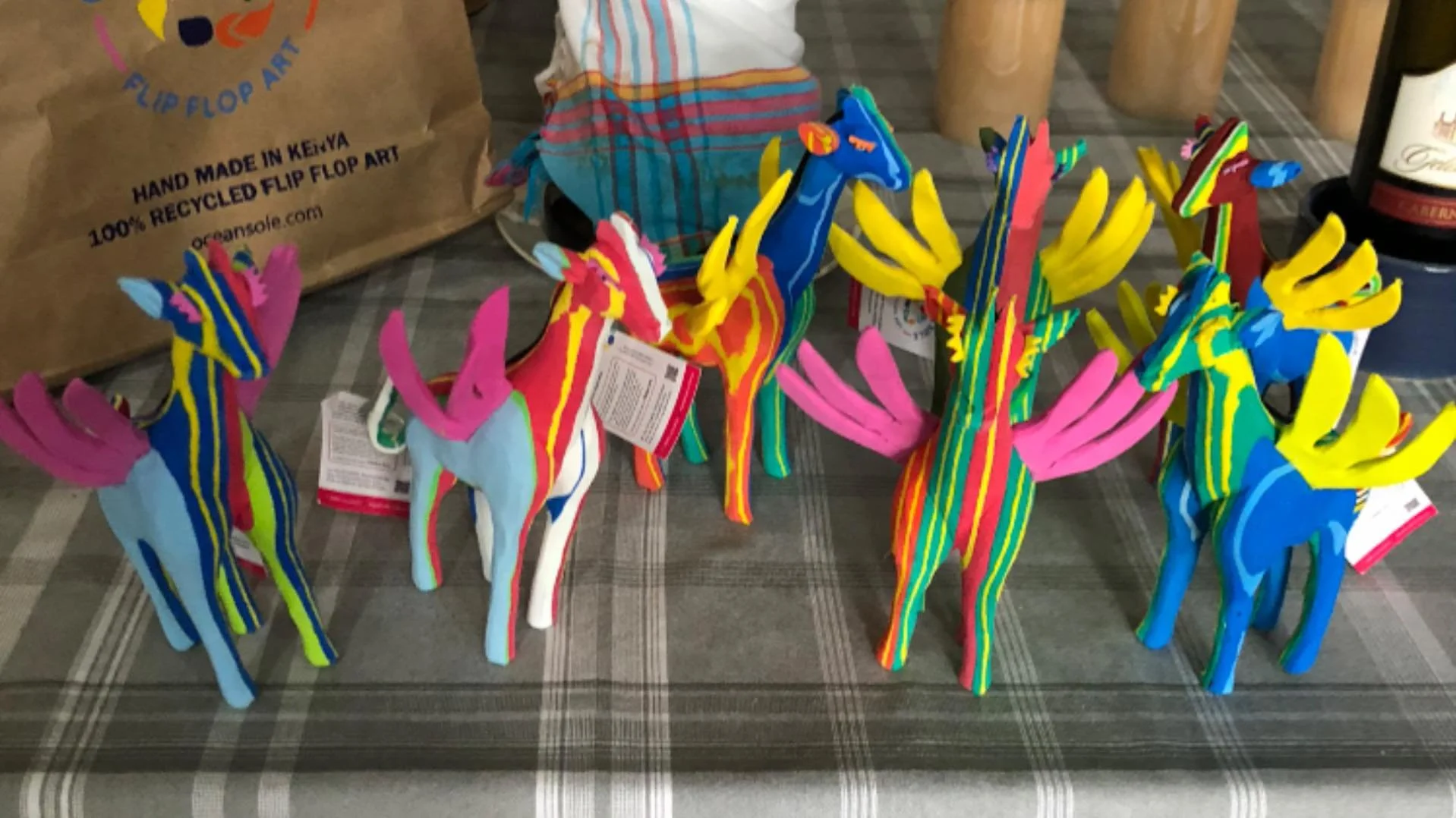
Ocean Sole is Truly Everything
Saving Kenya’s Environment
Hiring Local Workers
Sustainable Social Enterprise
You made the dream come true!!!
#TravelTuesday Top 5 Must Ask African Safari Questions
Help! I’ve got a client who wants an African Safari! I’ve never sold Africa - What do I do?
The number of times I’ve seen this on Luxury Travel Boards is disheartening. Who would go on Safari with someone who knows NOTHING about Africa? Apparently lotsa folks. Here are the Top 5 Must Ask Questions for Safari Planning.
1) Have you lived or worked in (or even been to!) Africa?
The vast Continent of Africa is diverse. East Africa completely different than Southern Africa. Namibia and Zimbabwe could be on different Planets!
You want an African Expert to help you design your Safari. For many, this will be a trip of a lifetime. Even if it isn’t a just once, it is still your precious time and money. You need someone who can help plan, who knows Africa.
2) Why are you an Expert in the field of African Safari Planning?
This is a bit different than the above question. Flyga Twiga™ is honored to work with trusted, In-Country Partners/Destination Management Companies (DMCs) , keeping up-to-date on Industry Changes, and continuing to Travel Extensively*, in East and Southern Africa, all create truly Expert Advice.
*A question you should ask is who pays for the Travel? While Fam Trips are great, I want to support Locals and Local Economy. The vast majority of my travel has some paying component. It is the right way as an African Travel Planning Expert.
3) How long have you specialized in African Safaris?
A little known “Insider Secret” is many Big Box “Luxury” Travel Firms will move successful Sales Staff around. One week a staff member may be working on Cruises, then the next on African Safaris. I love a good Salesman. I also know specializations means knowledge of travel specifics, which may make or break a Safari Experience.
4) Where are you headquartered?
Where the company is headquartered regulates business and banking laws. Your due diligence starts with knowing not only who, but also where, the professional accountability will be held.
5) Who is your Destination Management Company (DMC)?
DMCs are our trusted, In-Country Partner. DMC is a term replacing “Ground Handlers”. The DMC is the person(s) for whom your bespoke Safari Planner is vouching. They are telling you they know and rely on the DMC’s qualifications and professionalism.
Why is this so important? I still get shudders thinking about the “Luxury Travel Expert”, who asked last year, on a Professional Luxury Travel Forum, if anyone had a DMC in Ethiopia. She was planning on sending Clients to not only a place she had never been, but also with people she had never worked with. As I mentioned at the beginning, this happens all the time – scary!
You need to have faith that the people sending you on Safari, know and trust the people in charge of your Safari Experience.
As the questions suggest, you are really conducting an interview with the person you are entrusting with your African Safari safety and experience. These questions should assist in your traveling with confidence and the freedom to enjoy the amazing African Wildlife and Culture.
Please feel free to use these same questions for all your Travels. I think they apply to most Luxury Destinations - Worldwide.
Please explore here for your
Happy Day! Safe Safari!
#TravelTuesday Meeting lots of great folks and learning new products at 2026 OurAfrica.Travel! Top picks posting next week!
#TravelTuesday Update: When Should You Start Planning Your Safari?
The Safari Industry has changed a lot in the last five years. You may have seen the horrendous OverTourism Videos coming out of Great Migration 2025. Since founding Flyga Twiga™ I’ve advised to look at “Shoulder Seasons”. What has changed is how far in advance planning is needed.
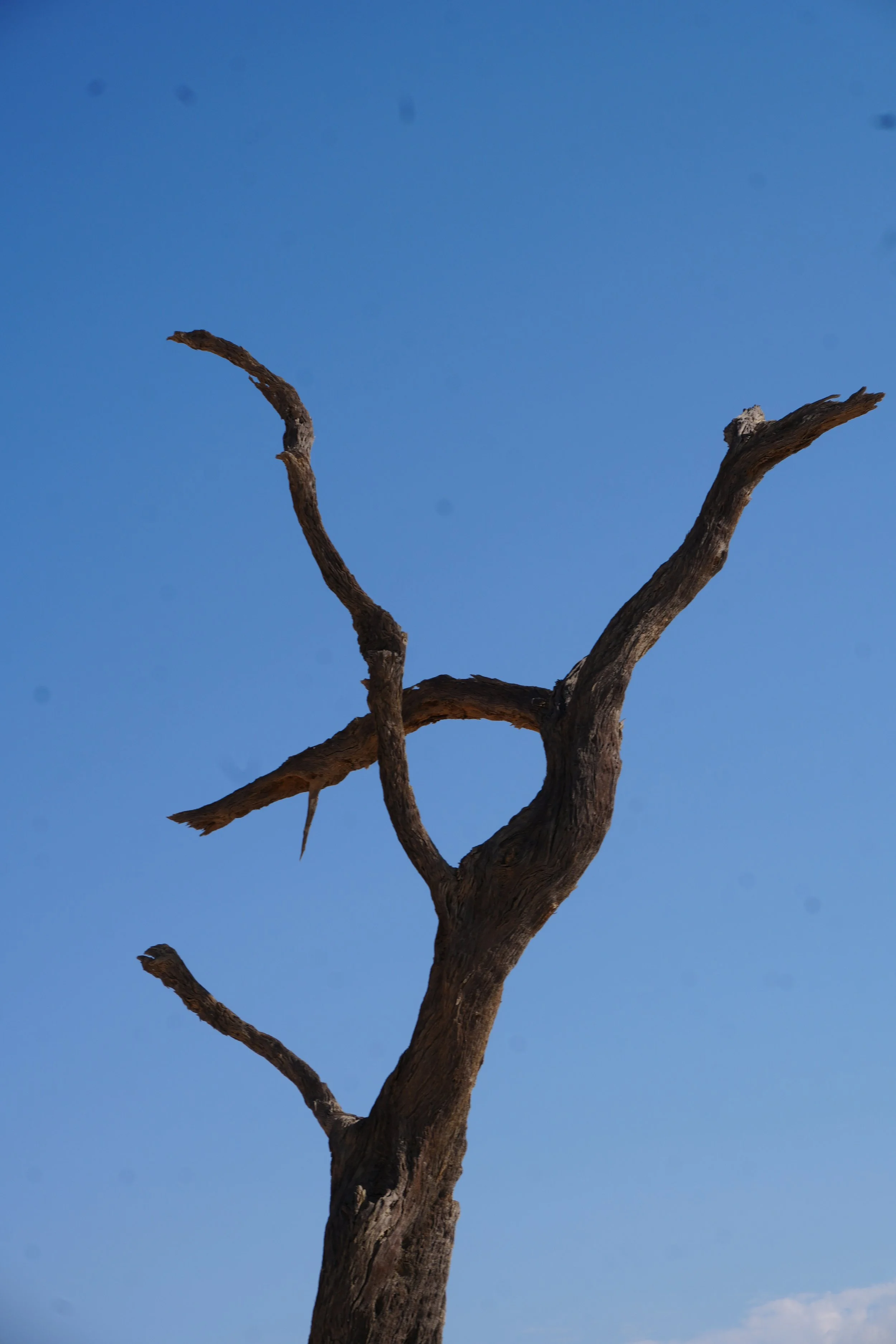
Deadvlei © Flyga Twiga™ LLC
Time is your friend. Starting in 2024, East and Southern Africa Safaris began being planned over 2 years out. In 2025, I was already booking 2027.
When in Namibia last year, I toured a property second to none for Photographers. The General Manager informed me they were already booking 2027.
The same is true for Gorilla Trekking. There are only a limited number of Permits given by the Wildlife Authorities. And, if AstroTourism is part of your Safari objective, every booking must be made around the New Moon.
I did have Clients last year who luckily were able to snag a 4 Star Property cancelation. That is a rare occurrence. We were planning only 4 months out. They were flexible and changed which African Country was their Safari Destination.
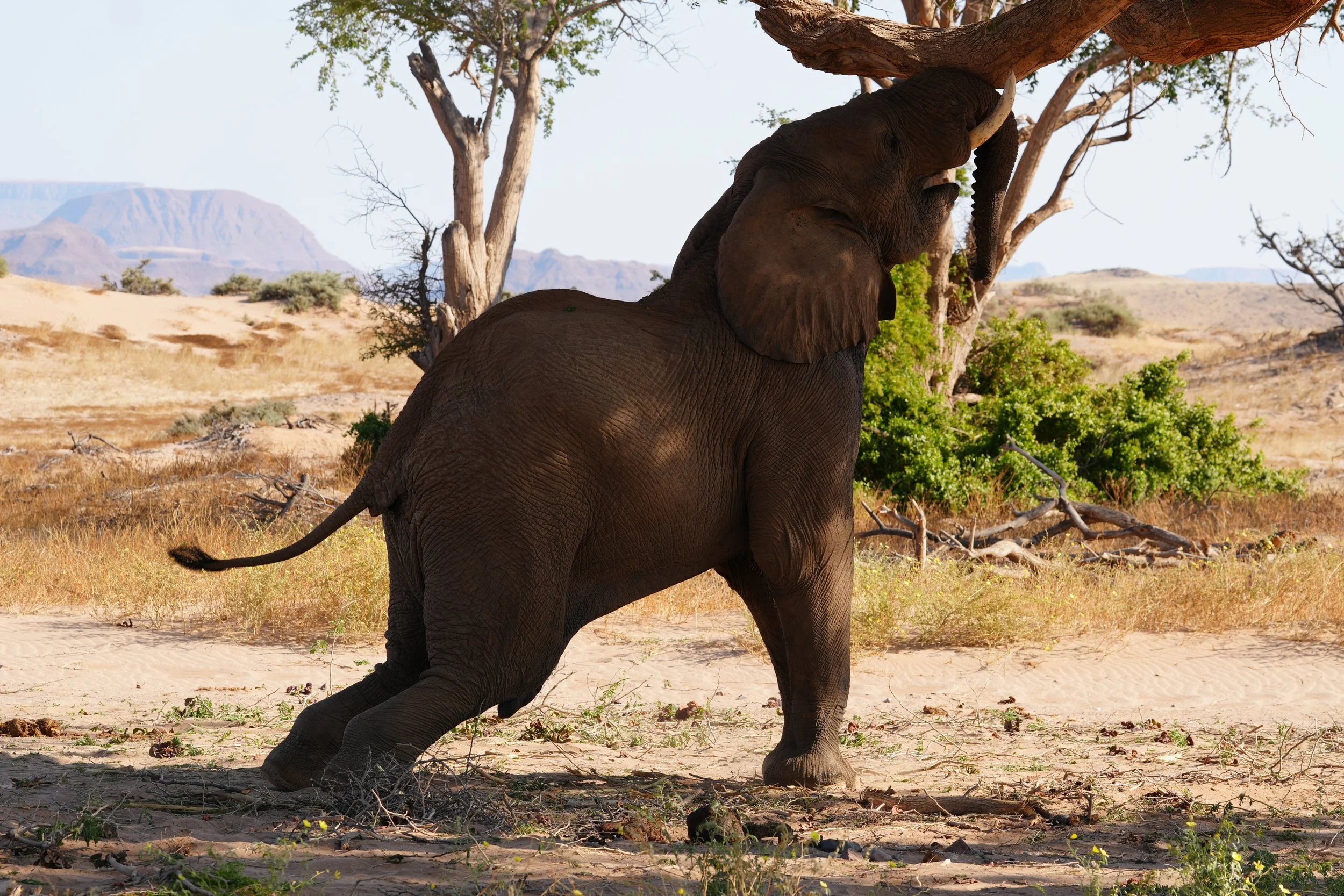
Male Desert Elephant, Namibia © Flyga Twiga™ LLC
All of these changes have also shifted how much Booking Confirmation Deposits have to be placed. In order to secure bookings, Safari Lodges and Camps are now requiring 30% Non-Refundable Booking Confirmation Deposits within 15 Calendar Days of Written Confirmation.
The Booking Confirmation Deposit also means you should obtain Comprehensive Travel Insurance up front. We will note this when discussing your Budget. Please plan accordingly.
FOMO, Fear of Missing Out, is real. Safari Lodges and Camps are filling up 2 years in advance. With Tanzania increasing Tourism Taxes, in order to try and combat OverTourism, Kenya in particular has seen a huge increase in Bookings.
I love my Clients. Each and everyone has been a gem to work with. If you are looking at going on an African Safari, and especially if you have your heart set on a particular place or experience, please consider planning well ahead. I want you to have a
Happy Day! Safe Safari!
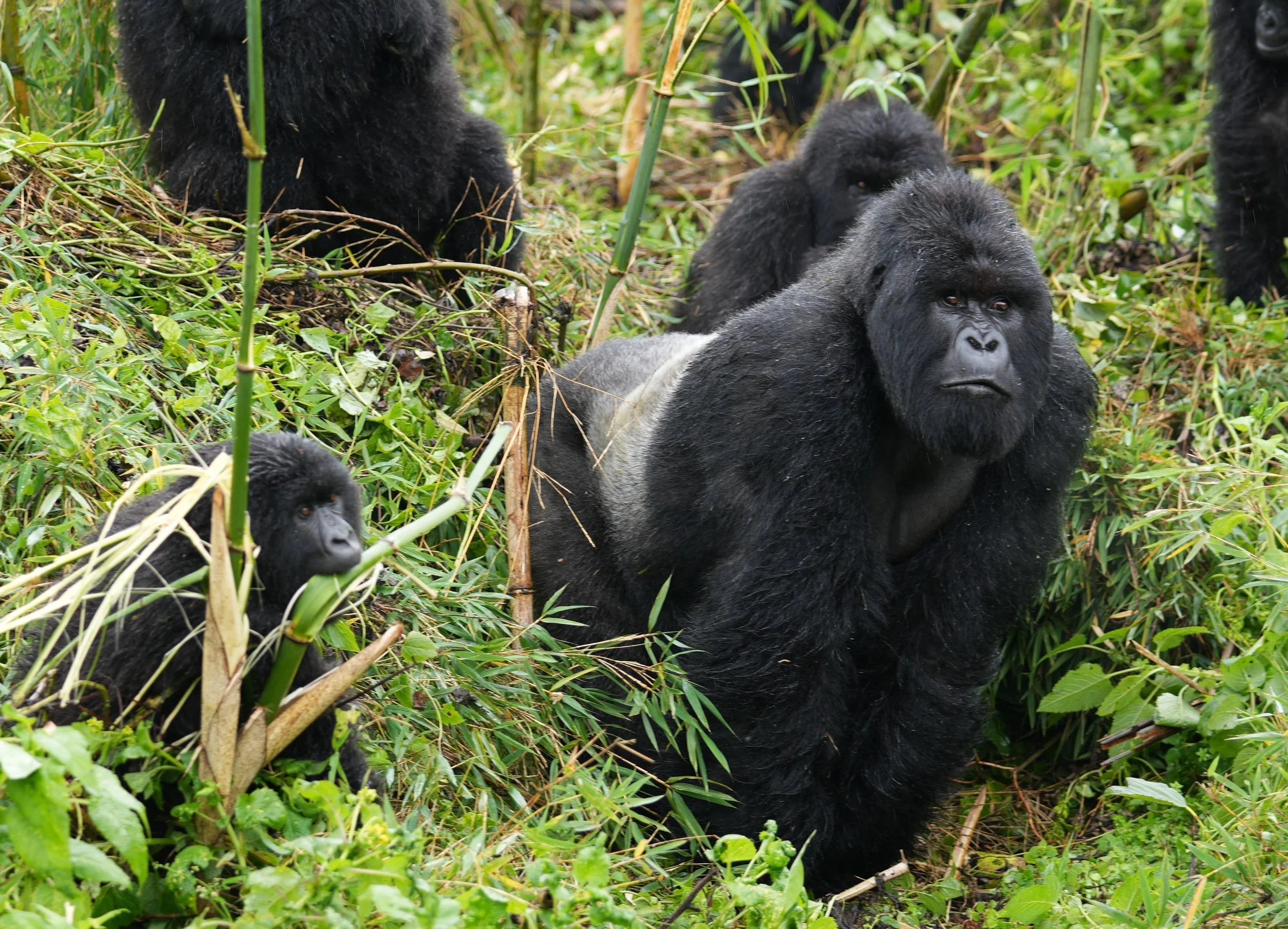
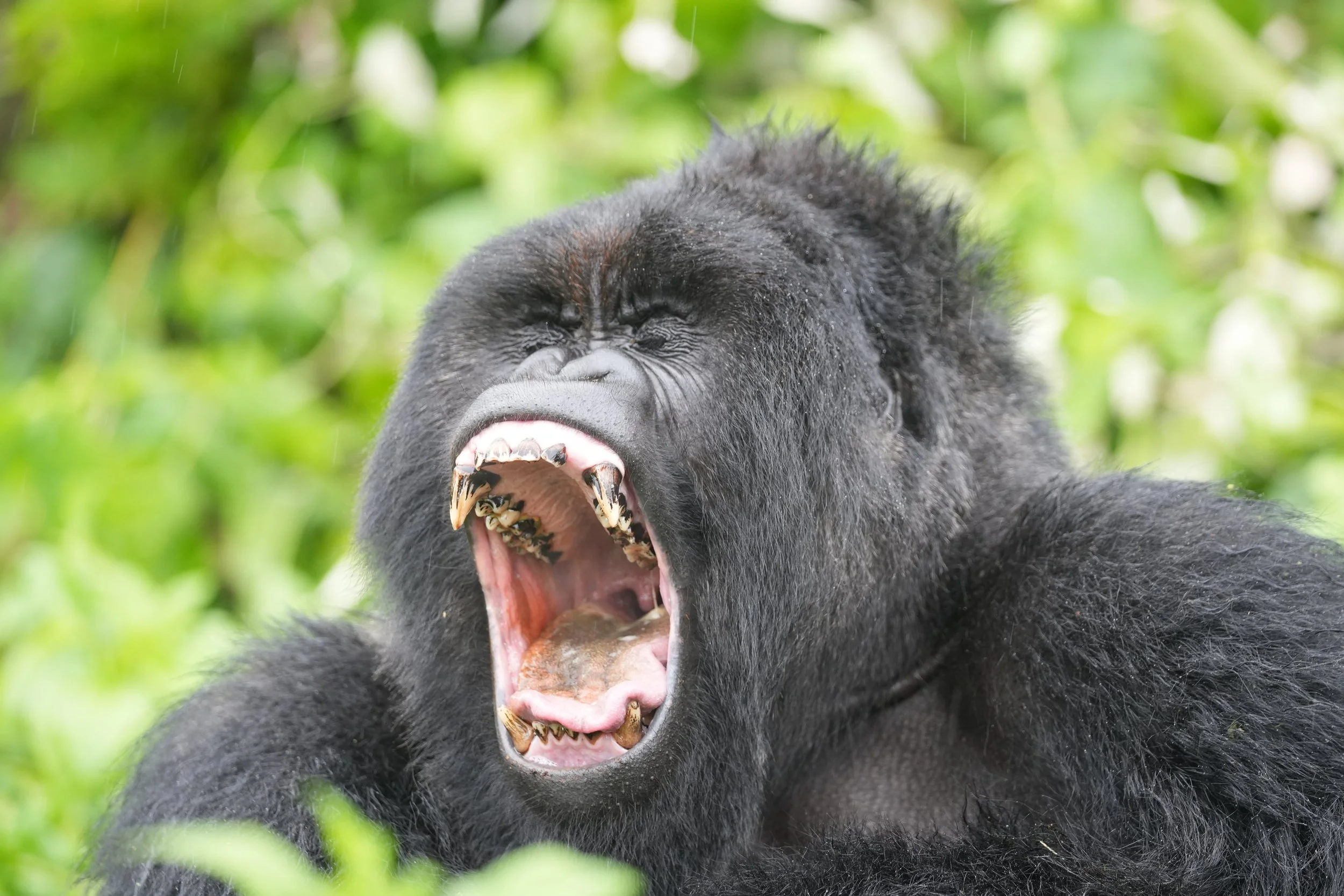
Silverbacks, Rwanda © Flyga Twiga™ LLC
What a Christmas Gift! I'm Eternally Grateful for the Testimonials from my Clients - Thank you Mariah!
#TravelTuesday Happy World Safari Day! Hottest Trend on Safari?

Call it…
StarBathing (clothing optional!)
NocTourism
or
AstroTourism

Hot Air Balloons from Star Bed, Namibia © Flyga Twiga™ LLC
Wake up overlooking Batoka Gorge, Victoria Falls or to Hot air Balloons on a Sunday Morning!
Soak in your Private Wood Burning Hot Tub…
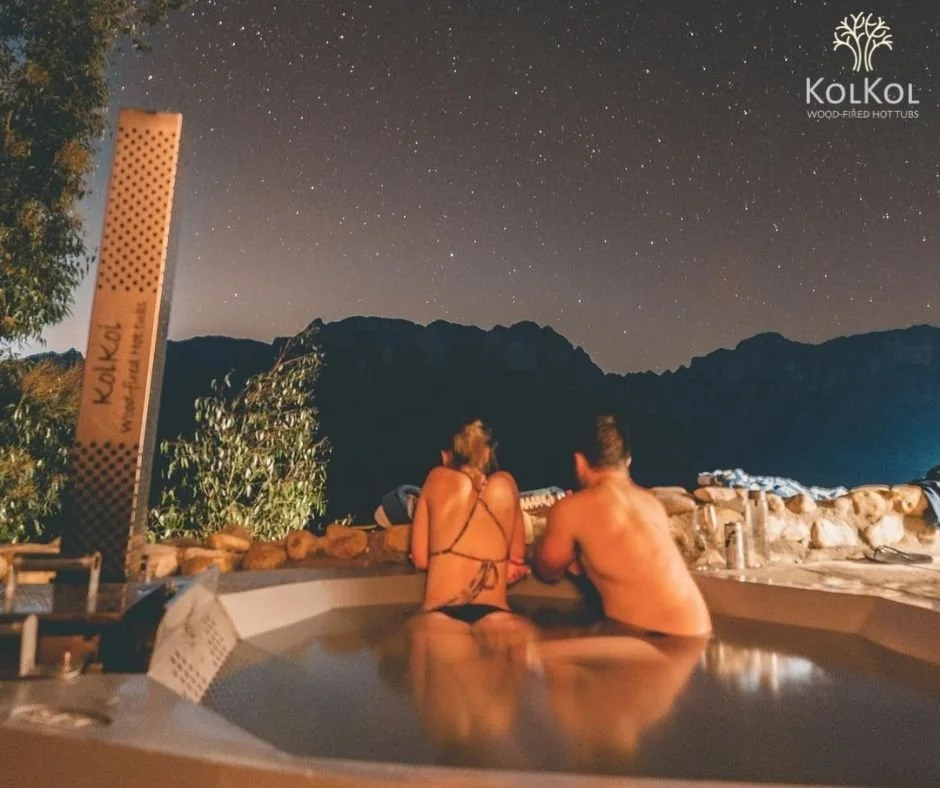
Photo Credit KolKol Wood-Fired Hot Tubs
Its all about being outside at night!
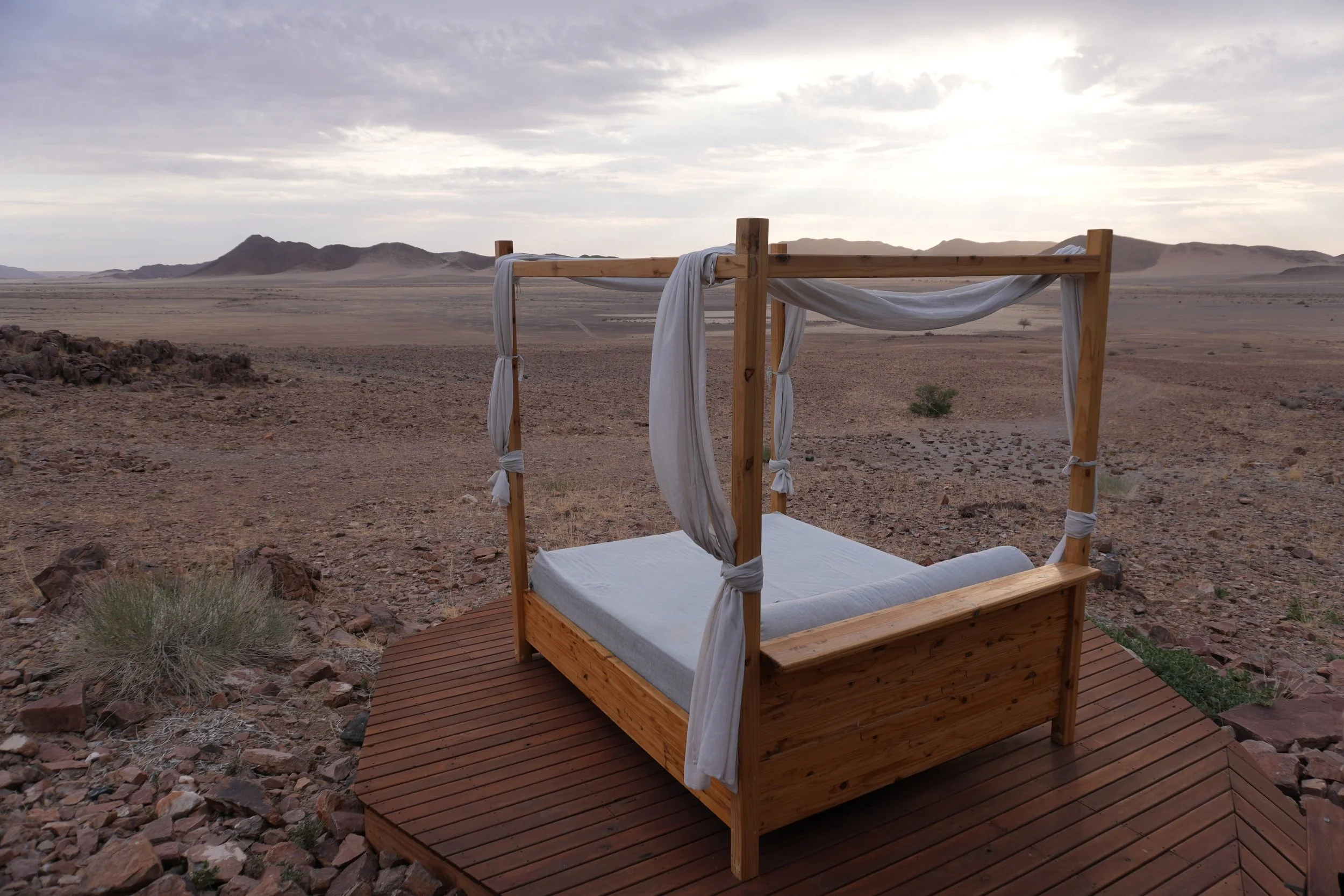
Star Bed Namib Outpost Namibia © Flyga Twiga™ LLC
#TravelTuesday DIY Africa Travel Costly Critical Mistakes!

According to 2025 Independent Survey by Australian Travel Insurance Provider Insure&Go - 1 in 6 Aussies make DIY Travel mistakes.
Overall 58% admitted to making costly mistakes, with a whopping 78% of under-30's having made critical errors.
With the rise of AI and On-line Platforms, there is an impression that ANY form of Travel can be DIY. I can assure you, that is not the case for Africa!
A quick glance at my Testimonials and you will see recurring themes. The deep desire for African Safari Travel Adventure and the need for a Planner.
11 years ago Flyga Twiga™ was born out of a passion for Africa, Wildlife, and its People. Most importantly, helping you create your Personal Safari. Your African Safari Adventure should be yours!
Please let me know how I can help make your Africa Safari Dreams come true!
Happy #SafariSunday! New E-Visa Requirements for Zimbabwe!

#TravelTuesday Top 10 Questions About Going on African Safari!
1. When is the best time to go on an African Safari?
This depends on where you go and what you want to see. For example, South Africa is in the Southern Hemisphere. During their Winter, Northern Hemisphere Summer, the Elephant Grass is dead. This is the time of year preferred for Photographers. Great Migration in Kenya? Late June, July, August, and September. Want to save money? I had one of the most spectacular Gorilla Treks in Rwanda during November “Rainy Season”. What time of year is part of the discussion when planning!
Here you will find my lists of the Seasons for East and Southern Africa.
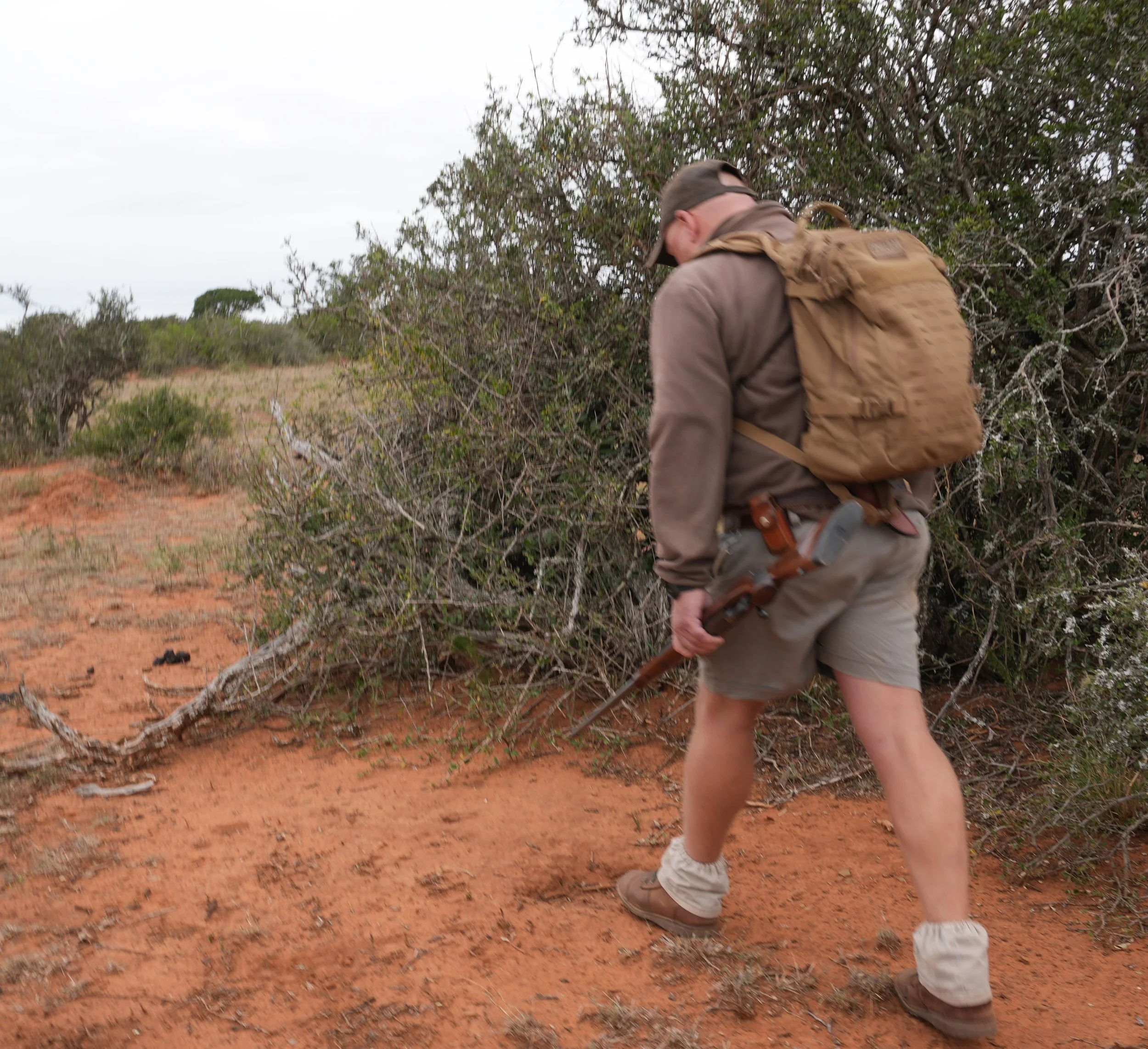
Guide on South Africa Bush Walk © Flyga Twiga™ LLC
2. Is it safe to travel to Africa for a Safari?
Yes – when you know what to do, where to go, and with whom to go. Why my Slogan is “Happy Day! Safe Safari!” You can find out more, here.

CDC Cover © Flyga Twiga™ LLC
3. What vaccinations or medications are required for an African Safari?
This depends on where you want to go. East Africa requires “Yellow Fever”. To the point Uganda will make you take the Vaccine, at the Airport, if you forget your Center for Disease Control Card (CDC). You can find here the CDC Vaccine Suggestions for Travel.
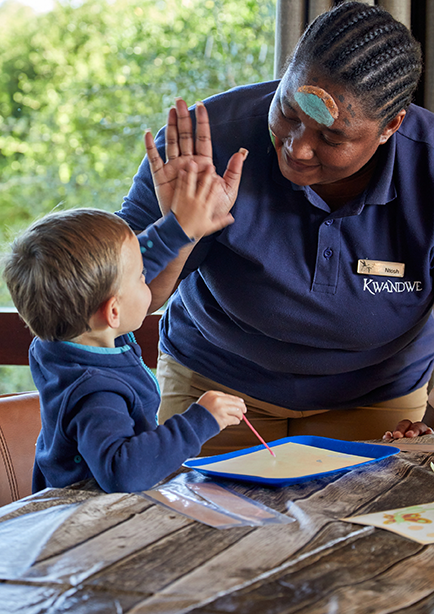
Photo Credit: Ecca Lodge Kwandwe Private Game Reserve
4. Can children or families go on an African Safari?
Absolutely! South Africa, outside greater Kruger National Park, is Malaria Free. Places such as Kwandwe Private Game Reserve, in South Africa’s Malaria Free Eastern Cape, have entire an Safari Lodge designed for children. Ecca Lodge is entirely fenced, for your child’s safety. In addition to special programs for children, each Family is given a Private Game Drive Vehicle. The perfect way to introduce budding Conservationists to African Wildlife!

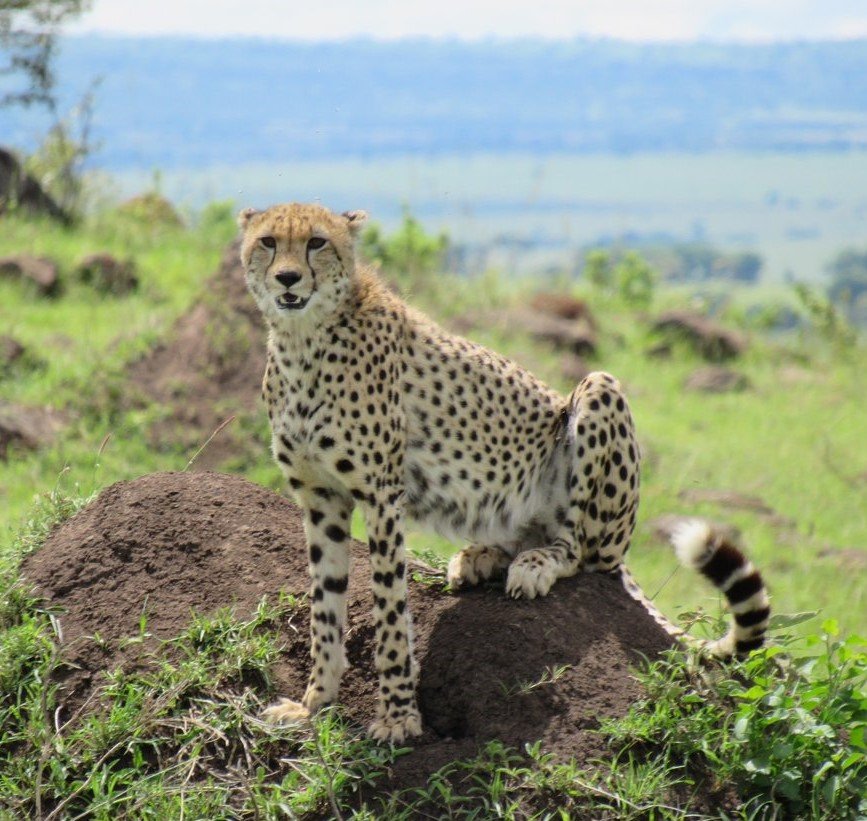
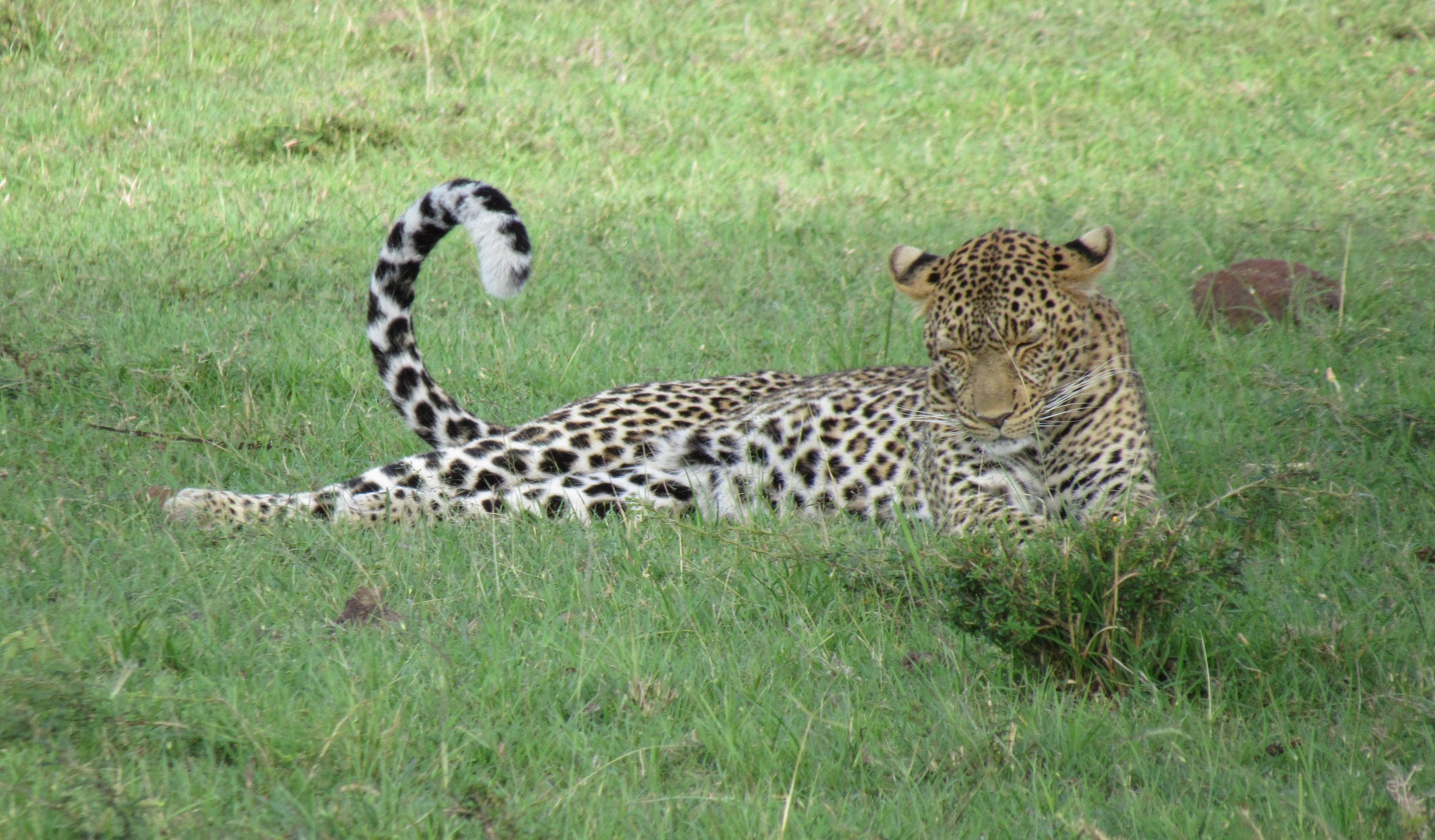
Leopard, Mara North Conservancy, Kenya © Flyga Twiga™ LLC
5. Where is the best place to see the “Big Five” on Safari?
The “Big Five” were named by Teddy Roosevelt as the most difficult to hunt. We now “hunt” the Lion, Elephant, Leopard, Cape Buffalo, and Rhinoceros with our Cameras. While you can never guarantee which animals will decide to show themselves, there are places where you will have a greater likelihood for specific animals.
While having excellent Gorilla Trekking, Uganda does not have Rhinos in the wild. Kenya does, with Amboseli National Park having the famous Elephants which migrate within the Park. In South Africa, Sabi Sand has the largest density of Leopards on Earth! That said, one of the best Leopard sightings I’ve had on Safari was in Mara North Conservancy in Kenya.
We’ll plan together where your African Safari will be best – for you!

EcoTraining Trackng South Africa ©Flyga Twiga™ LLC
6. What should I wear or pack for an African Safari?

Jomo Kenyatta Airport Nairobi, Kenya © Flyga Twiga™ LLC
7. Do I need a Visa to visit African countries for a Safari?
Yes. This is also dependent on your Passport Country. For Americans, some are Visa Upon Arrival (such as South Africa), while others, such as Namibia have a long pre-Arrival application process. Here is the more in-depth. We see you through the process and make 100% sure you have all the documentation.

Fishing at Malaria Free Kwandwe Private Game Reserve, South Africa © Flyga Twiga™ LLC
8. What is the difference between a National Park and a Private Game Reserve?
There are 3 major differences. First is Ownership and Management. National Parks are publicly run and managed by the government (e.g., Kenya Wildlife Service for Amboseli). Private Game Reserves are owned and operated by private individuals, entities, or companies (e.g., Kwandwe in South Africa).
The second is Access and Regulations. National Parks are open to the Public, with Entry Fees, Self-Drive Options (for Residents), and stricter Rules on Activities (e.g., no Off-road Driving). Kruger National Park is a good example. Private Reserves typically restrict access to Guests staying at affiliated Safari Lodges (often called Concessions within the Safari Industry), allowing more flexible activities like Guided Night Drives or Walking Safaris.
The third is Size and Experience. National Parks are often larger and busier, offering diverse Ecosystems, with potentially more crowded viewing. Currently there are numerous Viral Videos regarding this year’s Great Migration. Private Reserves are smaller, more intimate, with lower Game Drive Vehicle densities. They may offer better wildlife sightings, and they may fund Conservation through tourism revenue. Kwandwe Private Game Reserve is an excellent example.

Loving Twiga, Kenya © Flyga Twiga™ LLC
9. What does a typical day on an African Safari look like?
A sample Safari Day:
05h00 A wake-up knock on your door. Tea, Coffee, and Rusks are served on the Lodge’s Main Deck followed by the Moring Game Drive, departing 05h30. Duration is approximately 3 hours.
Return to Lodge for a hearty African Breakfast. Plan one day for Bush Walk following Breakfast.
Between Game Drives, Relax by the Pool, Go to the Gym, Enjoy the Library & Games Room, Spa Activities, View Wildlife from the Viewing Deck.
Afternoon Tea, followed by Evening Game Drive. Sundowners on Safari. Followed by Dinner at the Lodge. Possible Night Game Drive.
Enjoy drinks by the Boma, sharing your day’s adventures with fellow travelers.
Lala Salama – rest well for another early Morning Game Drive tomorrow! #SafariLife

Cheerful Waitstaff South Africa © Flyga Twiga™ LLC
10. How much should I tip on an African Safari?
As the Safari approaches, this is the biggest concern for my Clients. As such, we tailor a personalized Tipping Guide for your bespoke Safari. While we can’t anticipate every moment you will want to tip, we arm you with the best knowledge extensive Safari experience can provide.
We can’t wait to start planning your dream African Safari Adventure!
East and Southern Africa Safaris are booking 2 years out -
Let’s start chatting today!
Happy Day! Safe Safari!
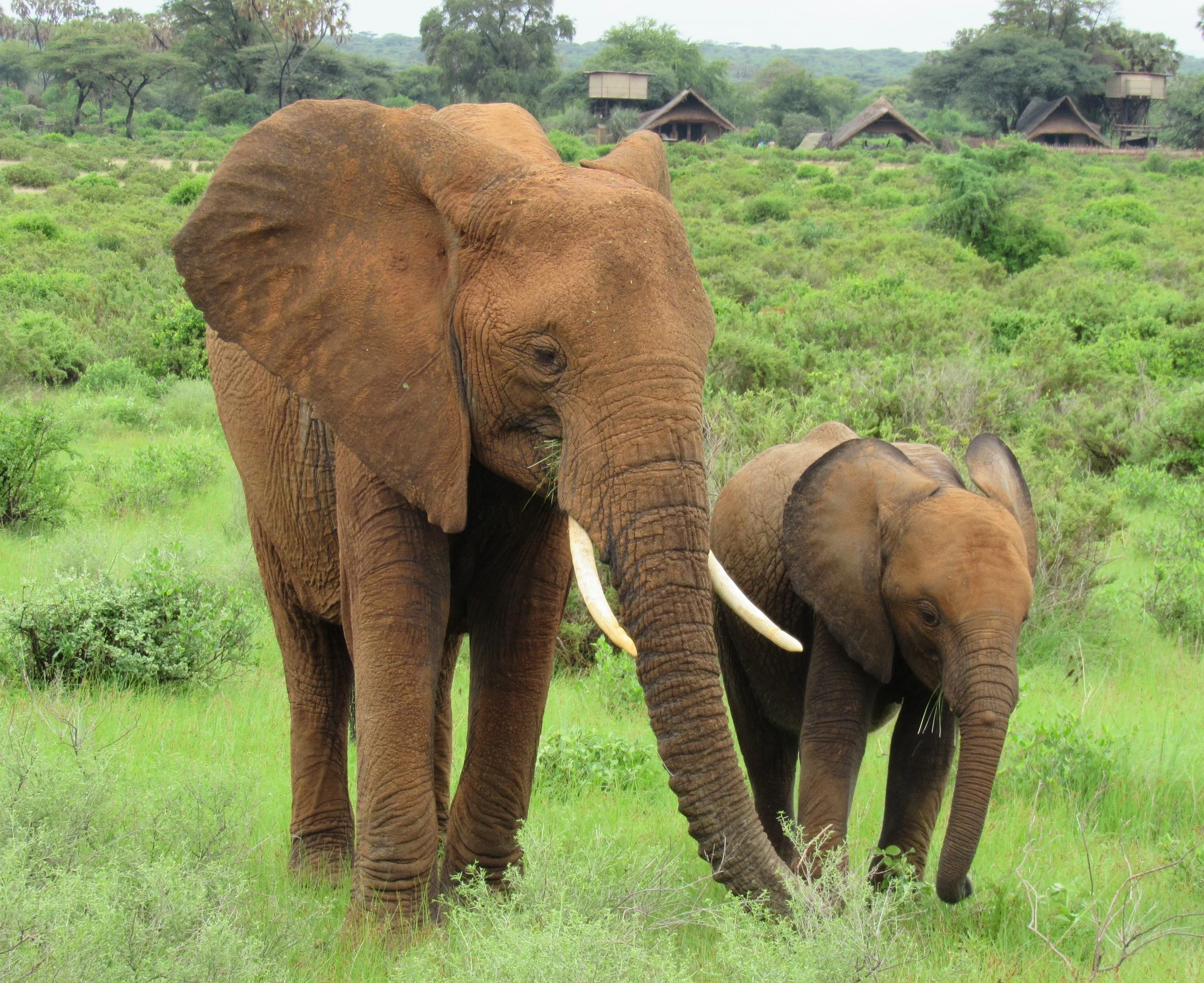
Mama and Baby Ellies, Kenya © Flyga Twiga™ LLC
#TravelTuesday New Product Personalized, Custom Tipping Guide

My awesome Clients asked & will receive Online, Personalized, Customized Tipping Guide for your Flyga Twiga™ Safari!
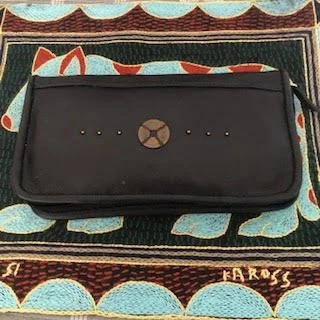
Kenyan Travel Wallet © Flyga Twiga™ LLC
Tipping is the #1 stressor for most of my Clients. And, as each bespoke Safari we design together is unique, I am creating an overview of when, to whom, and how much you should tip. While I can anticipate every occasion, after all my years in Business I give you the best information possible.
So you can have a…
Happy Day! Safe Safari!

Learning South Africa Flora, Bush Walk on Safari © Flyga Twiga™ LLC
#TravelTuesday Importance of Having a Code Word for Your Safari Adventures!

Protect your Travels!
My advice, for safe, secure Safari Adventures, is to create a Code Word. This is a word or phrase you share only with your Traveling Companions and Emergency Contact.

Impala Uganda © Flyga Twiga™ LLC
Why? Artificial Intelligence (AI) / Deep Fakes have become so good.
Fraud is Rampant!
How easy is it to use your Voice to call for Emergency Funds to be Transferred? Beyond easy!
To insure you have an awesome Safari, create a Code Word or Phrase. If you, your Traveling Companions, or Emergency Contacts were to receive a call for “emergency” funds ~ demand the Code Word or Phrase. Protect yourself from Fraudsters, with proactive security!
Happy Day! Safe Safari!
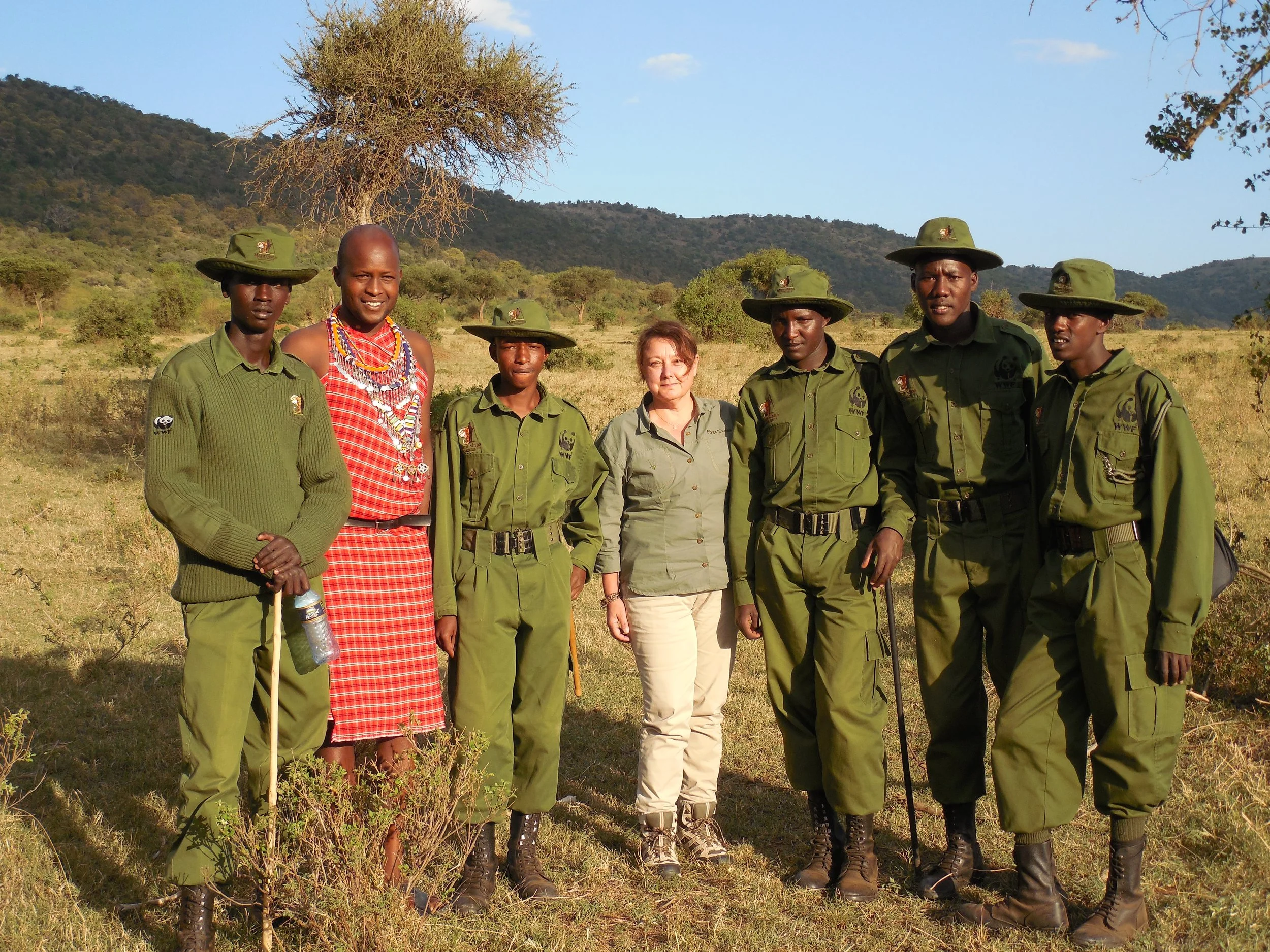
Kenya Wildlife Services & Maasai © Flyga Twiga™ LLC
#TravelTuesday Happy to Announce Flyga Twiga™ Trademark Renewed for another 10 Years!

One of the most important parts of any Business is the name. In 2014, I knew I needed a special name. My Husband and eldest Nephew (who accompanied me on my first Safari in 2008) helped me Brainstorm.
I loved the word Twiga, Swahili for “Giraffe”. What would rhyme? One of the words we batted around was Flyga, Swedish for “Flying”.
Why a great name? In South Sudan, the UN Guys “watched over me”. As a MilSpouse, they were all protective. They included my Friend from the United States, Bob. New Zealanders, Brits, Germans, Danes, and a Swedish Naval Officer, Mikael.
The name Flyga Twiga™ perfectly honors my Journey, or Safari, to where I am today.
Here’s to the next 10 years!

Champagne Karen Nairobi Kenya © Flyga Twiga™ LLC
Thank you Soldier's Wife Crazy Life! What a pleasure to be a Guest Writer!
#TravelTuesday Gift of a Good Camera #10thAnniversary #FestiveSeason

Looking for a good gift for yourself or a loved one before Safari? I would suggest a great Camera and Lens Combo.
While I did initially start doing my own research (Shoutouts to Rachel Carter Images, Erin Henderson Media and CommuniKait), I quickly realized I was in WAY over my head. Turning to my friends, Avid Photographer Ara Ko Lopez and Professional Photographer Jurate Alasevičienė.
Jurate became my mentor, tutor, and my “camera therapist” through an extremely harsh learning curve. She suggested the Sony a6700 and a second-hand professional lens, both ideal for Safari.

Sony a6700 Camera©Flyga Twiga™ LLC
Protip: Sony now Region Locks the Languages on cameras - check to see if English is on yours! Been meaning to learn Korean, or Arabic! ;-)
For my first big trip in October, South Africa and Victoria Falls with my husband, I didn’t have the nerve to carry the professional lens. Our trip included a lot of regional Airlink Flights.
This actually turned out to be a wise decision. On my November Gorilla Trekking, Erin Henderson would be accompanying me. On several occasions she had to reset my camera. Thanks to her, and Jurate’s great encouragement, by the Rwanda Gorilla Trek, I hit my stride.

Beautifully Designed and Made Rift Valley Leather Bag ©Flyga Twiga™ LLC
I bookended my Gorilla Trekking with time in Kenya. There, in addition to having a Celebration Dinner, on the rooftop of Nairobi’s Trademark Suites, I celebrated Flyga Twiga’s 10th Anniversary with a Rift Africa Custom Designed, Handmade Camera Bag. Thank yous to brilliant Designer/Leathermaker Isiah and Operations Manager Zadock Langat!
While I have a long way to go with my photography, for the first time I actually have pictures I’d like to print and hang! A final shoutout to Peter Manjagaledze for taking the time to help. Much, much appreciated!
Thank you for everyone!

One and Only Gorilla's Nest Welcome Dancers ©Flyga Twiga™ LLC
7 Epic trips to take to celebrate military retirement

Thank you to USAA and National Military Spouse Network (NMSN) for the opportunity to share my Military Spouse career journey!
My conversation with Sue
was so much fun!
#WildlifeWednesday Why my passion for Humans and Wildlife coexisting? My Grandfather!

As many know, I was raised by my Maternal Grandparents. My Grandfather spent part of his youth on a Farm in rural Southwest Virginia. In order to help me sleep, my Grandaddy told me “Big Black Bear” stories.
Each story was about how a Big Black Bear would have some sort of interaction with humans. Each encounter would be resolved without anyone, bear or human, getting hurt. Peacefully co-existing.
Sometimes the Farmer would find the Big Black Bear in his orchard. When the parents went to town, the Bear would get in the house. The children would hide, watching the Bear eating their food. One of my favorites was coming upon a Bear, on our way to go fishing.
I was raised believing there was a way to live with Wildlife. Now, my business is dedicated to African Wildlife Conservation through Safari Adventures.
I think my Grandaddy would be proud.

Big Black Bear Stories © Flyga Twiga™ LLC
Commissioned Artist: Kazakhstani Korean Tanya Kim
Celebrating Mandela Day With Christo Brand

Celebrating Mandela Day with Christo Brand
“Nelson Mandela’s birthday is July 18th,” states Christo Brand. Without missing a beat, he adds, “He would have been 106 years old this year.” This intimate knowledge of a Nobel Peace Prize Recipient and the first President of the Republic of South Africa grew from years of Christo Brand being Nelson Mandala’s prison guard, then, over time, his friend.

At 19, Christo Brand met Mandela on South Africa’s Robben Island Prison in 1978. How he got there is as fascinating as the close relationship Christo would develop over the years of Mandela’s imprisonment. Christo, like Mandela, was from rural South Africa. “I grew up on a Farm where I was the only White child, playing with African children,” Christo matter-of-factly states. “My Father was just a Foreman. We was very poor. Yeah, we weren’t even allowed to go to the rich Farmer’s house. One day I was disrespectful to an elderly African man on the Farm. And my Father gave me a hiding and said to me, ‘A person can be black, but a human being like us. We must respect each other as human beings.’ My Father was quite a Christian. He always said, ‘In front of God, we are all the same colors.’ That is how I grew up on the Farm.”
But, Christo’s life was about to take a drastic change. He offers, “When I was the age of twelve, nearly 13, my Father developed pneumonia. The rich Farmer chased us off the Farm. We moved to the city. And then we land up in the city. In that city, I didn’t have anymore Black friends, or Coloured friends to play with. I made new friends. I go to a new school.”
“In that school, one of my friends was called up for Miliary Service. At those years, it was compulsory for all South Africa White males, in South Africa, to join the military for two years. If you don’t join the military, they will take you to a military prison for five years. My friend was sent for military training. After his training, six months later, he was sent to the borders. He was killed by so-called ‘terrorists’.”
“And, that day, when we were sitting in that Church, the Priest was saying ‘What a hero that gentleman was protecting our country. How he protected the country against the Black enemy.’ For me, sitting in that Church, I said to myself, ‘My friend was not a hero. The Black is not my enemy.’ I made the decision I would look for something alternative, not to join the military.”
Growing up on the Farm, Christo says, “I didn’t know about Apartheid, which happened in the city. I knew an area called ‘Free State’ was only White. I didn’t understand that at the time. I would only start to understand that in later years.”
Christo chose a difficult path with his decision not to join the military. Mandatory military service was part of his culture and upbringing. “When we were at school, we belonged to 'militêre kadet'. On Fridays, you go with a military uniform to school. Fridays, after 2:00 o’clock, we do military training in school. Even shooting training. All White children. Not Black or Coloured. It was all in the White schools.”

Once he left school, he says of mandatory military service, “It was compulsory when you left school. All White males in South Africa, not Blacks or Coloureds. Only White males was forced to go for two years military training. But, I didn’t want to join the military. Military was also patrolling the in the Townships [segregated areas for non-Whites]. And, it was also killing Black people. The military was like that. The same for the training, you go to the borders, you work in the Townships. When you come from there, you are sworn in a document that you cannot talk about what happened during that time.”
Christo continues, “A lot of people come back from their military training, not all well in their heads. Some of them have psychological problems and things like that. Because they see how people died in front of them. You know, but they’re not allowed to talk about the situations. They must keep secret. People in the cities don’t know what was happening during the military time. It was secret. Only when the ‘Truth and Reconciliation Commission’ comes out, many, many years later. That is when some of these things come forward, what happened during that time.”
“Because people was uninformed about what really happened in South Africa. Television came in 1976. And that was controlled by the government. First one hour a day, later 3 hours a day of television. The newspapers was controlled by the government. The people in the cities only read and see things which the government want them to recognize and see, not what really happened in the country. You know, that was how segregation was working.”
The alternatives to military service were the police force, harbor police, or the prison departments. Christo says, “I wasn’t interested in anything like that. Then, a gentleman visited our school looking for prison guards. I was not interested in that ‘til they mentioned exemption from military service. Then I think, ‘I’ll have a conversation with this guy’. That is how I became a prison guard."

Once on Robben Island, a teenage Christo started work. Of his early years, he states, “When I start work on the island, I see these names ‘Nelson Mandela’, ‘Walter Sisulu’, I never talked to them. Just greet them. Lock them up. Things like that. But, when I started working in the Census Office after three months of me working on the island, that is a time when we count Birthday Cards that year in July, we counted 55,103 Birthday Cards for Nelson Mandela. They were from all over the world. That is what made me realize this man must be very special.”
“But, what happened also I take him for a visit. I put him in leg irons to walk him to the Visiting Center. When I lock him there, I was instructed to fetch the visitors from the boat. So then I fetch the African ladies from the boat. And because the visitors were Black, Coloured, or Indian, they was not allowed to sit inside the boat. They always sat on the top deck, outside in the rain, the bad weather, and the rough sea conditions. Many times visitors came to the island soaked wet with the waves broke over the side of the boat.”
“Then, that morning, when I fetched the ladies, I walked them to the Visiting Center, after we locked the prisoners there. Then I see one lady take off her raincoat. Then she take off a big blanket. Then she take off a small blanket, with a backpack. When she take that off, it was a baby infant. And, prisoners must not be allowed to see children. You know, we were supposed to cancel your visit. She was not supposed to show Mandela the grandchild AT ALL.”
“But, after the visit, I called her and said to her, ‘Your husband wants to give you another message. You must go back into the visiting room.’ I asked if I ‘could hold the baby, I never held an African child.’ She pushed into my arms. She tried to bribe me with some money to show him the child. My answer was, ‘NO!’ But, when she was in the cubicle, I locked her in. I moved to the side of Mandela. After Mandela passed his message, the window closed. When Mandela seen me in the passage with a baby, tears comes out of his eyes. He walked to me and take the baby out of my arms. He become more emotional when he kissed the child’s face on the cheek. That minute, Winnie Mandela knocked on the door. She’s locked in on the other side. I take the baby back from him and wipe the tears from the baby’s cheeks. Go to the side and apologized for locking her in. She was still begging me to show him the baby. The answer was ‘NO!’ And, you know, that secret was between me and Mandela for nearly 20 years. Until he became the President of our country. Last year that baby passed away. She was very sick with Cancer. She passed away in November.”
And so began a lifelong friendship between Nelson Mandela and Christo Brand. At the insistence of Mandela, finally Christo co-authored the book, Doing Life with Mandela: My Prisoner, My Friend, now in its second edition. At first, Christo was reluctant to write the book. Christo was afraid he’d end up in prison for all the illegal things he did for Mandela during his time in prison. Mandela promised to support him and back him up.
Manela pressured Christo for six years. Finally, Mandela sent Barbara Jones from the UK to Christo in South Africa to co-author the book. While Mandela died before the publication, at the UK book launch, Zindzi Mandela came. She told Christo, "Mr. Brand, you can't run away from me. My last promise to my Dad was if he can’t attend your book launch, I must represent him.” And, so the deep friendship between prisoner and guard extended beyond life itself.


In addition to giving Group and Private Tours of Robben Island, in Cape Town, South Africa, Christo, also speaks at “Mandela, The Official Exhibition”, which is currently touring the United States.

Information can be found at mandelaexhibition.com and www.christobrand.co.za.

Christo’s book may be purchased from Blue Ear Books, which has a Veterans’ Books Initiative. Blue Ear Books “has a strong interest in developing and publishing books by American military veterans.” Their “mission is to assist veterans in their journeys to becoming published authors. Through the Initiative, they “strive to provide a platform for honest accounts of personal experience that we hope will help bridge the gap in understanding and empathy between veterans and the civilian public.” blueearbooks.com
Photographs used with permission of Christo Brand, Tiffany Wright, and Eric Wright.


