• Flyga Twiga
  • About
  • Safari 사파리
  • Testimonials
  • FAQs
  • Contact
  • blog
Menu

Flyga Twiga™

Twitter: @FlygaTwiga
USA & South Korea
flygatwiga@gmail.com
A Personal Safari Service & Consultancy

Your Custom Text Here

Flyga Twiga™

  • Flyga Twiga
  • About
  • Safari 사파리
  • Testimonials
  • FAQs
  • Contact
  • blog
Lake Victoria Uganda.JPG

blog

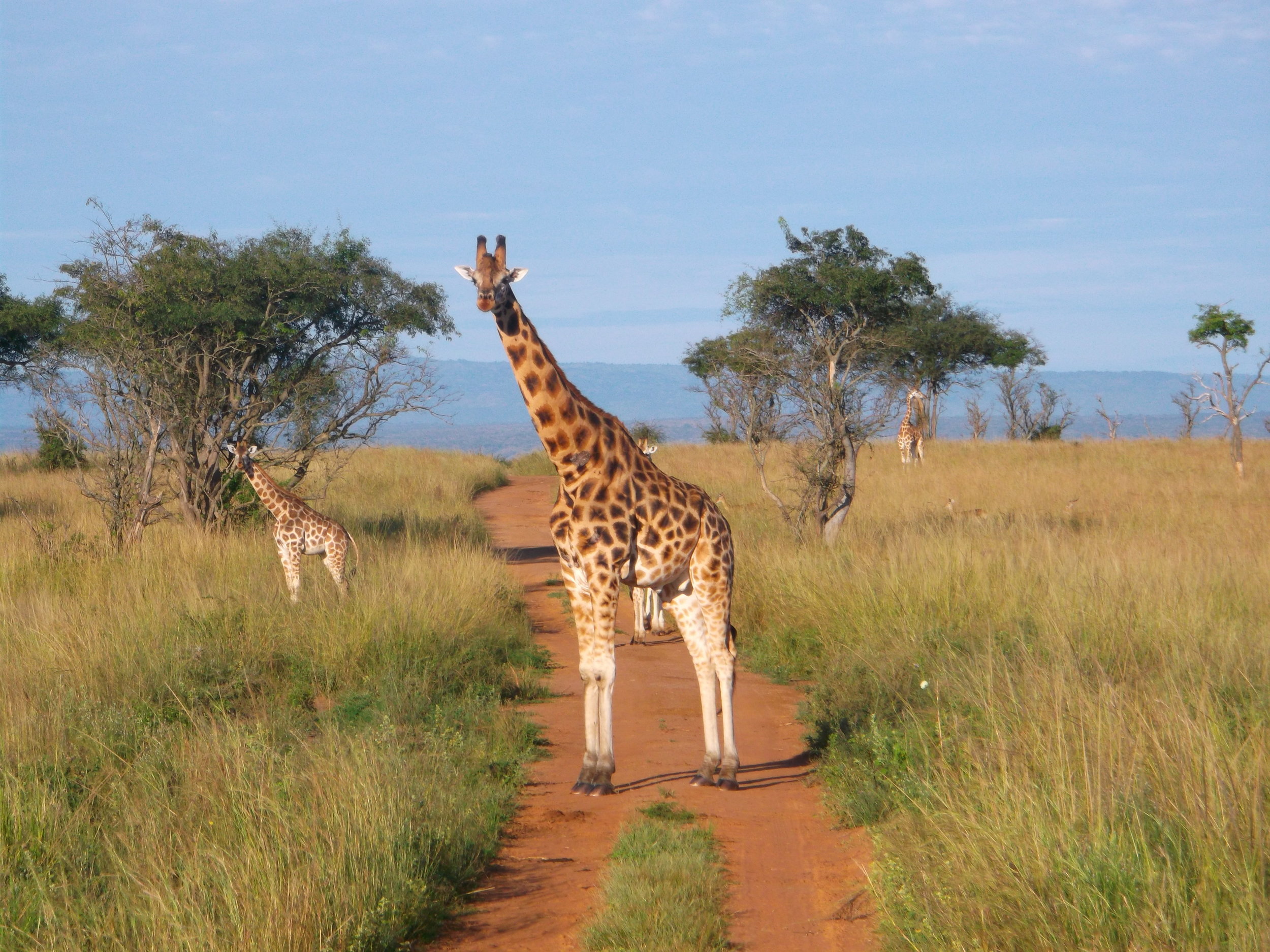
Happy World Giraffe Day! The Vanishing Giraffe

June 21, 2020 Flyga Twiga
Scarred Giraffe Uganda ©Flyga Twiga™ LLC Note: The Scar is most likely from fighting another Giraffe.

Scarred Giraffe Uganda ©Flyga Twiga™ LLC Note: The Scar is most likely from fighting another Giraffe.

Michael English
Cape Town, South Africa

The name Flyga Twiga is a combination of Swedish (Flyga) = Flying and Swahili (Twiga) = Giraffe. Giraffes are one of Amy Millican's favourite animals, inspiring her to name her company after them. Giraffes are one of the iconic Megafauna of Africa that many travellers look forward to seeing on Safari.

Giraffe Tower Uganda ©Flyga Twiga™ LLC A group of Giraffe is appropriately called a Tower.

Giraffe Tower Uganda ©Flyga Twiga™ LLC A group of Giraffe is appropriately called a Tower.

Conservation Status of Giraffe

Giraffes are often overlooked from a Wildlife Conservation point of view. Therefore, it came as a shock to many when they were moved to the “Vulnerable Classification” on the International Union for Conservation of Nature’s (IUCN) Red List in 2016.

There are currently 9 sub-species of Giraffes recognised. Many of the sub-species such as the Kordofan and Nubian Giraffes are listed as “Critically Endangered” on the IUCN Red List. Even the Masai Giraffes, that many will be familiar with from their East Africa Safari, was listed as endangered in 2019.

Why did this happen so suddenly? It has not been that sudden. Giraffe numbers have declined by 40% in the last three decades alone. It is estimated that there are only about 68,000 mature individuals of breeding age left.

Giraffes Uganda ©Flyga Twiga™ LLC

Giraffes Uganda ©Flyga Twiga™ LLC

Threats Facing Giraffe

The plight facing the Giraffe is the same that faces all our Wildlife and Ecosystems. They have been somewhat overlooked as the plight of Lion, Elephant, and Rhino made the headlines.

Now, people are starting to realise the Giraffe are also vanishing. More projects and studies are being conducted to understand the best way to help conserve the tallest land mammal. Following are some of the major threats facing these beautiful creatures.

Habitat Loss

The greatest threat facing Giraffe is that of habitat loss. One of the major contributors to this is the charcoal industry. Charcoal is the main source of fuel for Local Communities throughout their range. This leads to trees being cut down which are the Giraffe’s food source.

The situation is exacerbated by variations in weather. Droughts and unpredictable Rainy Seasons are impacting the growth of the specific trees that giraffes feed on, such as the Giraffe’s favourite, the Acacia Tree.

Fragmented Populations

Giraffes, along with most Wildlife, have been forced into living in “Protected Areas”, which are small pockets spread out from each other. This means that the Giraffes are confined and can only mate within a small Genetic Pool. This makes the species weaker and more vulnerable to disease.

Poaching

Giraffes are poached not only for their meat to feed local communities, but also for their use in traditional African medicine. Sadly, their tails are also popular in Western Africa as a good luck charm.

Giraffe Kenya ©Flyga Twiga™ LLC

Giraffe Kenya ©Flyga Twiga™ LLC

How can you help?

There are many ways you can help, even from home.

Share

Talk with others about the challenges facing Giraffes. Sharing this important information will help enlighten others about the Vanishing Giraffe.

Research

Many conservation groups, such as the Wildlife Conservation Society, have a wealth of information. Your knowledge, combined with sharing, can be a powerful force in helping save the Giraffes.

Go on Safari!

Giraffes, as with all African Wildlife, have great value to local communities through Safaris. Your Safari is part of Wildlife Conservation. In addition to seeing these “Beauty Queens of the Bushveld” in person, your Safari will help protect their future and future generations.

Now is the time to Share, Research, and plan your African Safari and help save the majestic Vanishing Giraffes!

Giraffe Among Acacia Queen Elizabeth National Park Uganda ©Flyga Twiga™ LLC
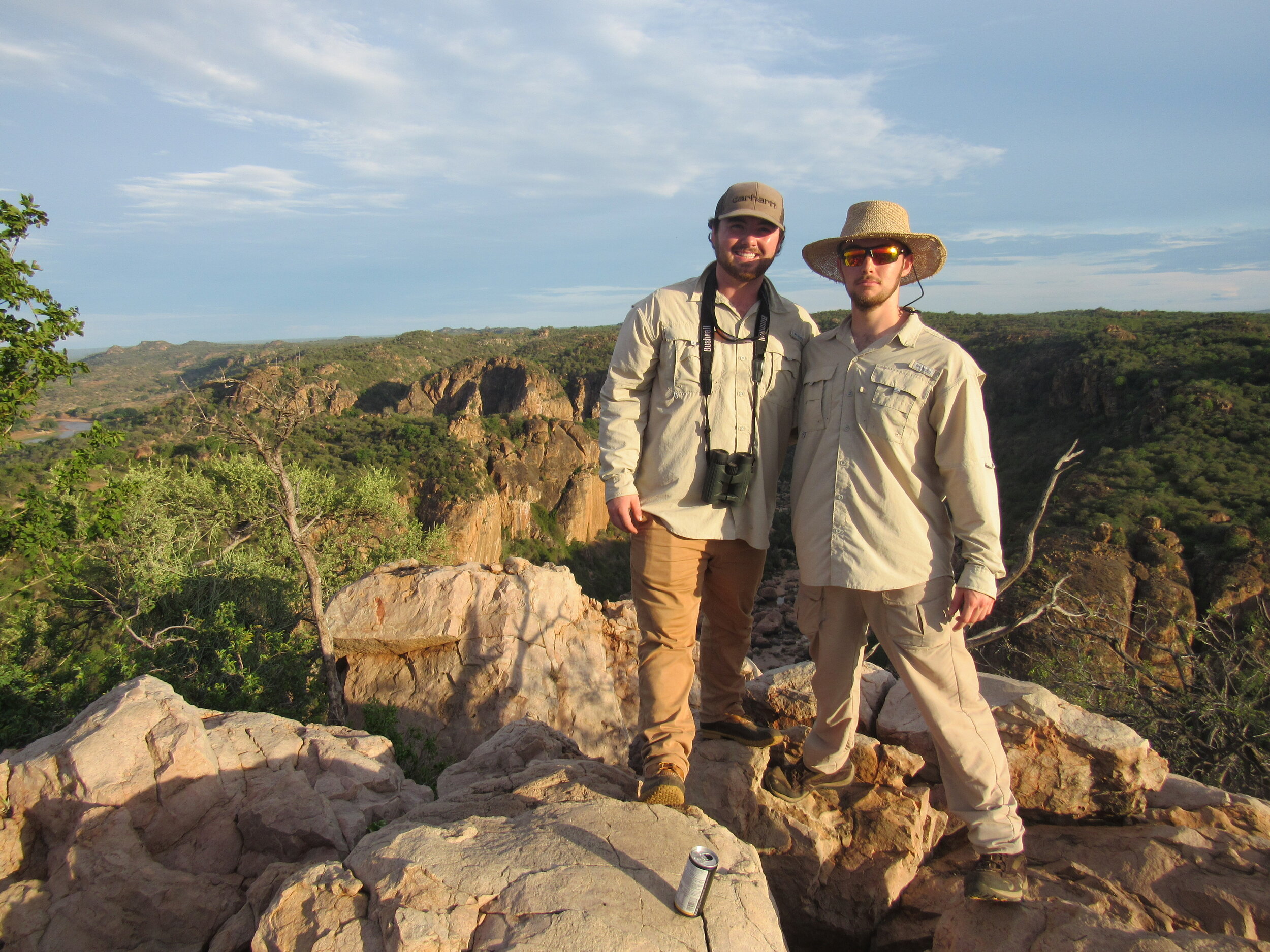
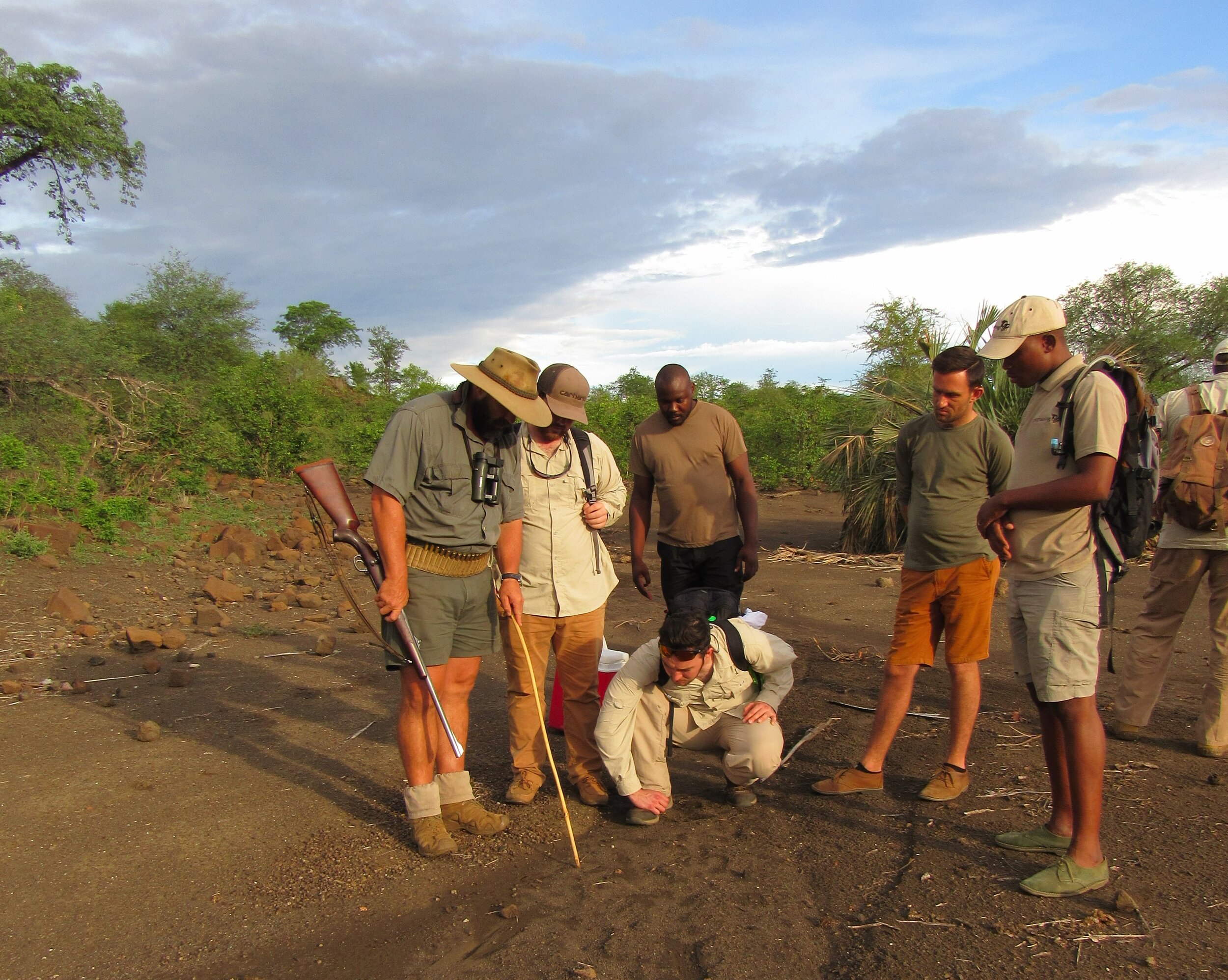
Giraffe Among Acacia Queen Elizabeth National Park Uganda ©Flyga Twiga™ LLC

In Africa, Flyga Twiga, Tourism, Wildlife Conservation, Safari Tags #giraffe, #Africa, #wildlifeconservation, #Safari, #travel
Comment

#WildlifeWednesday Get Out and Walk - Discovering Safari From a Different Perspective!

May 27, 2020 Flyga Twiga
Walking Safari EcoTraining Kruger National Park ©Flyga Twiga™ LLC

Walking Safari EcoTraining Kruger National Park ©Flyga Twiga™ LLC

Michael English
Cape Town, South Africa

The Bushwalk Experience

Ranger Dave stops ahead of us on the animal path that we are following. We huddle up behind him as he crouches down over a huge pile of dung. 'Can anyone guess what animal this is from?' he asks. 'Um, Elephant?' ventures one of the group members. 'Correct,' he replies, as he reaches out and plunges his finger deep into the pile. Ugh! Gross, what is he doing? ‘I can feel it’s still warm inside which means that it's from last night. Just a few hours ago, a large bull elephant walked down this path,' he announced to the group. 'Now, if you come over here you can see the tracks.'

Dave picks up a stick and traces the outline of the soft impression in the powder-soft sand of the track. 'Can any of you guess which way the elephant was going?' he asks the group. 'That way,' Theresa guessed, pointing down the track we were following. 'Actually, he was headed back the way we came away from the river,’ replied Dave. He proceeded to explain how the shape of the track allowed him to deduce the direction the animal went in.

Later, we stopped in front of a shrub that Dave explained was a bush toothbrush. We watched a Dung Beetle energetically rolling a ball of Elephant dung which it was going to lay its egg in. Dave brought bird calls to our attention and we peered among the vegetation to try and spot the birds that he pointed out – the man had the eyes of a Hawk!

Evening Walking Safari EcoTraining Kruger National Park ©Flyga Twiga™ LLC

Evening Walking Safari EcoTraining Kruger National Park ©Flyga Twiga™ LLC

benefits of taking a guided Safari walk

As the above anecdote illustrates, getting out of the Safari vehicle and heading out into the African bush is an immersive experience. All your senses get involved.

Listen to the sounds of the Cape Turtle Dove’s alarm calls.

Feel the long strands of the Elephant Grass run through your fingers.

Taste the Dew on a Marula Fruit.

Watch the smallest of critters in the bush. Termites collect grass and take it back to their impressive mud fortresses. Small Frogs leaping along the Bush.

Smell the fresh Elephant Dung.

Getting off the vehicle and walking allows you to reconnect with nature. It allows you to understand the complex symbiotic relationships between each plant, animal, and yourself. Most people come away from Bush Walks with a deeper appreciation of the African bush.

Nelsons Frog EcoTraining Makuleke Camp ©Flyga Twiga™ LLC

Nelsons Frog EcoTraining Makuleke Camp ©Flyga Twiga™ LLC

Types of bush walks

The guides pace the excursion according to the ability within the group. You may feel nervous about heading into the Bush. But, these walks are always done by experienced professionals who know the Safety Protocols. Listening to your Guides and Trackers talk about how you could survive out in the Bush, or telling tales of Animal Encounters, is always a rewarding experience.

Different Reserves and Camps will conduct walks in different ways according to the local regulations. You may head out first thing in the morning, or later in the Evening for a “Sundowner in the Bush”, but generally, they will take place in the cooler part of the day.

1)      Kids Bush Walks

At many lodges there are “Mini Ranger Programs”. Here children are taken out on walks in areas where there is no dangerous Big Game Wildlife. The children can discover the secrets of the Bush. This experience often kindles their curiosity through making plaster of Paris moulds of animal tracks or looking at skulls of animals.

One such experience is the Tswalu Junior Ranger Programme. Located in the Kaluhari, “every child is welcomed with a backpack full of guides and tools.”

Children learn how much alike Animal Parents are to their own, protective and teaching the ways to Adulthood. Wherever the Kids Bush Walk, they always get a thrill learning about dung!

2) Nature Walks

Many lodges offer nature walks for adults too. These are not strenuous and allow you to encounter different species of antelope. The focus is more on Tracking, Birding, and the Flora and Fauna, which may be missed while in Game Drive Vehicles. These are a great way to learn about unique Plants and the Ecology of the region you are in.

3) Big 5 Bush Walks

Some private reserves in both southern and east Africa allow you to do a Walking Safari in areas where the Big Five (large more dangerous wildlife such as Lion, Buffalo, Elephant, Rhino and Leopard) occur. These walks are generally conducted with two Guides – one who will lead from the front and one at the back to ensure everyone’s safety. They will be armed with rifles should they need to protect the group, but they always use their knowledge to read animal behaviour and keep everyone safe

EcoTraining Tracking Pridelands South Africa ©Flyga Twiga™ LLC

EcoTraining Tracking Pridelands South Africa ©Flyga Twiga™ LLC

The Safari Behind the Safari - EcoTraining

If you are looking for a more in-depth walking Safari Vacation, then you should sign up for one of the short courses offered by EcoTraining in the Makuleke concession in the Kruger National Park. Walking between 5 – 10km a day, courses focus on Wilderness Survival Skills, Animal Tracking, and Guiding. Weather permitting, you can even experience sleeping in the Bush - out under the stars. This is a truly immersive bush experience which will leave you with a new appreciation for the natural wonders of Africa.

Please feel free to contact us if you would like to create your unique EcoTraining Experience.

Walking Safari EcoTraining Makuleke Camp ©Flyga Twiga™ LLC

Walking Safari EcoTraining Makuleke Camp ©Flyga Twiga™ LLC

In Safari, WildlifeWednesday, Wildlife Conservation, Africa Tags #WildlifeWednesday, #walkingsafari, #Safari, #Africa, #EcoTraining
Comment

#TravelTuesday 10 Reasons To Visit Namibia!

May 12, 2020 Flyga Twiga
Sossusvlei Dunes Photo Credit Andreas Glöckner from Pixabay

Sossusvlei Dunes Photo Credit Andreas Glöckner from Pixabay

By Michael English, Cape Town, South Africa

Why would you travel halfway around the world to spend your holiday in an arid country that is 16% covered by desert? The unique appeal of Namibia lies in its combination of history, culture, and breath-taking open spaces which offer untold photographic opportunities.

The Savannahs and desert have a calm beauty which is unparalleled. It can be a challenging country to visit, as the distances between destinations are vast. In summer, the temperatures can soar well past cooking an egg on your car bonnet.

That said, the winter months are a wonderful time to visit and the allure of tranquility, space and arid beauty draws many tourists every year. It is well worth the journey, especially if you are a photographer. Without further ado, here are 10 Reasons to Visit Namibia….

Deadvlei Photo Credit rmferreira from Pixabay

Deadvlei Photo Credit rmferreira from Pixabay

1) The Sand Dunes at Sossusvlei

Lying on the south-west of Africa is the World's oldest desert – the Namib. Here in a region called Sossusvlei, you will find the tallest dunes in the World. Rusty-red with iron, the dunes have been sculpted for millennia by the wind into sand mountains that many associate with the image of desert.

Many a traveller has scrambled up the spine of the dune called Big Daddy. Dune 45 is the most photographed dune on Earth. The skeletal remains of trees stand in stark contrast to the red sand at Deadvlei are justifiably famous among avid photographers. To get the best photos it is necessary to get to the park at sunrise to capture the morning light before the harsh light washes the colours pastel.

It is important to note that even the closest accommodations are 30 minutes’ drive from the gate. Most are between 1 – 2 hours drive from the gate. You cannot drive to Deadvlei and must walk over 1 kilometre. So, this is why its wise to do Sossousvlei before the daily heat sets in.

Etosha Photo Credit Peter Jupke from Pixabay

Etosha Photo Credit Peter Jupke from Pixabay

2) Etosha National Park

In this vast arid region, the salt pan waterholes of the Etosha National Park provide oases for thousands of animals which congregate here in search of water. The contrast of African Wildlife against the pale background of the Kalahari sand makes for beautiful photo opportunities. These iconic images in turn makes this Namibia’s most popular Safari area.

The park is home to four of the Big Five, with Buffalo being the only exception. You can see rare species such as Oryx and Black-Faced Impala. The park is also home to one of the largest populations of the remaining endangered Black Rhino.

Accommodation within the park is rustic but there are several luxury private lodges near the park to choose from.

Fish River Canyon Photo Credit JPierre Desvigne from Pixabay

Fish River Canyon Photo Credit JPierre Desvigne from Pixabay

3) Fish River Canyon

Africa’s answer to the Grand Canyon, the Fish River Canyon stretches 180 kilometres (105.6 miles) between Sesriem and the Orange River in the Ais-Ais Richtersveld Transfrontier National Park. The most popular viewpoint for day visitors is at Hells Bend at the Hobas Rest Camp.

There is an extremely popular but challenging 4 -5-day hiking trail through the canyon, where you sleep out under the stars. This can be booked in advance during the Winter months between April and September. In Summer, the trail is closed due to the extreme heat experienced in the region.

Swakopmund Photo Credit by katja from Pixabay

Swakopmund Photo Credit by katja from Pixabay

4) Swakopmund

Namibia was colonised by the Germans and their influence is still very much felt today. German is widely spoken, and traditional German food also prevalent, especially in the town of Swakopmund.

Another legacy in Swakopmund is the pastiche of Bavarian Art Deco style architecture which characterises this coastal town. The town has a seaside holiday resort feel and locals are friendly with a laid-back attitude.

The town is also the launching point for many extreme adventure sports in the area such as Dune Sandboarding, Quad Bike Adventures, and Sky Diving. Tours to seek out unique desert creatures that live in the dunes also depart from here.

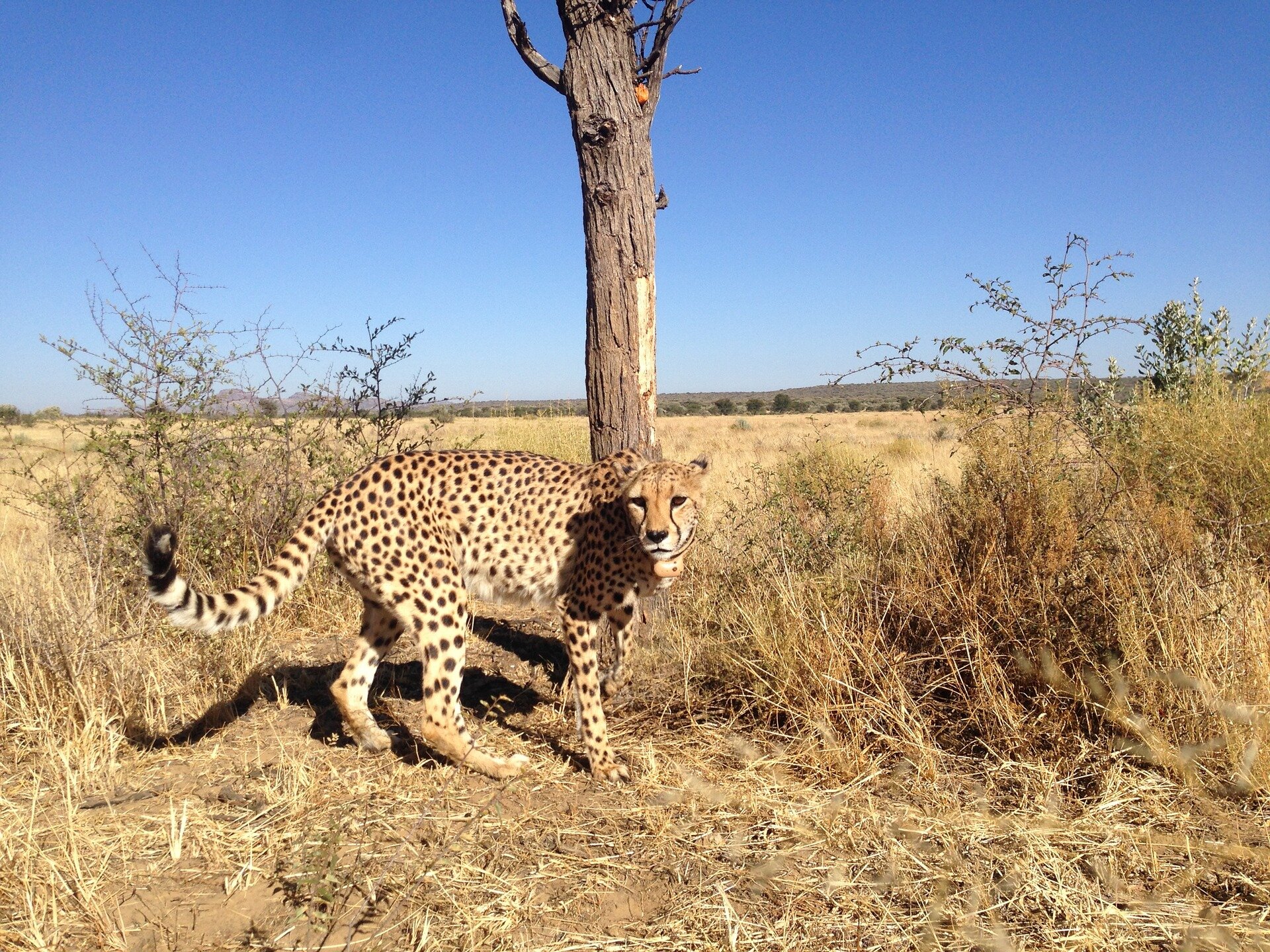
Cheetah Namibia Photo Credit gschreiner0815 from Pixabay

Cheetah Namibia Photo Credit gschreiner0815 from Pixabay

5) Okonjima and N’aankuse

Namibia is home to the largest population of the world’s remaining Cheetahs, the fastest land predator. Cheetahs are not often seen on normal Safaris as they are often in conflict with Lions so are not often found in the same areas.

Okonjima is home to the AfriCat Foundation which seeks to ensure the survival of Namibia’s predators in their natural habitat. The private reserve is also known for sightings of some of Africa's most elusive species – Aardvark, Brown Hyenas, and Pangolins.

Another conservation initiative at the N’aankuse Foundation has grown from focusing on Namibia’s predators to wildlife conservation, cultural, and community rehabilitation programs. N’aankuse also offers many eco-friendly accommodations and tourist activities.

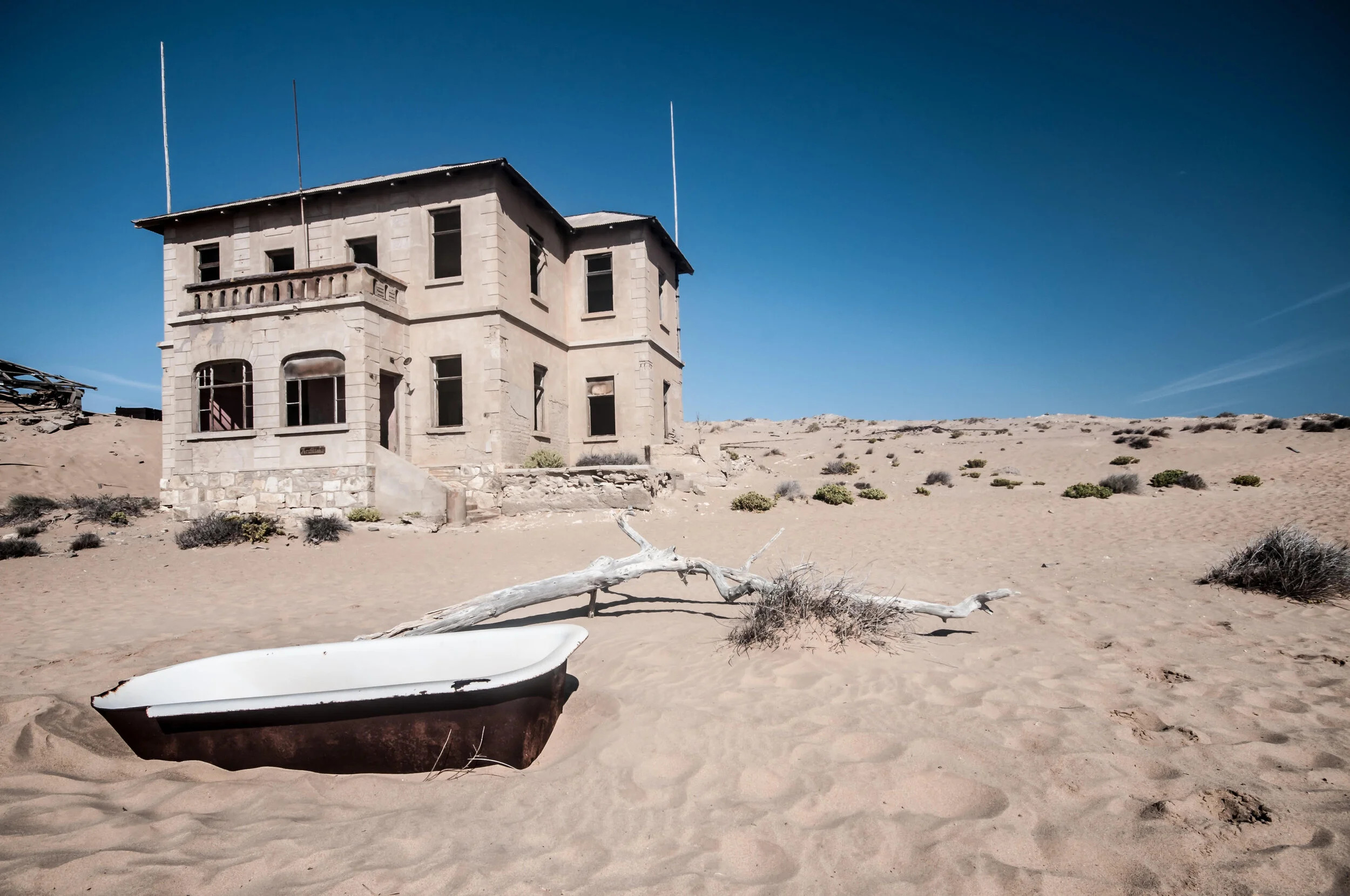
Kolmanskop Ghost Town Photo Credit Jo Wiggijo from Pixabay

Kolmanskop Ghost Town Photo Credit Jo Wiggijo from Pixabay

6) Kolmanskop Ghost Town

An age-old tale of immeasurable wealth and ruin is what awaits visitors to the town of Kolmanskop. The town is located near Luderitz in Namibia’s Forbidden Zone. A railway worker found diamonds while shovelling sand off the railway tracks at the turn of the last century. A diamond mining boomtown sprang up. At its height, the area produced 11% of the world’s diamonds.

Mansions sprang up in the middle of the desert as fortunes were made. But, the German government declared the area a “Forbidden Zone” to control the mining. By the 1930’s the prospectors had moved on to richer fields. The desert air has preserved the sand-filled mansions as monuments to man's pursuit of wealth and folly. The haunting houses draw thousands of photographers who want to capture the eerie grace of the scene. Here tourists come who want to hear the heady stories of the eccentricity of a bygone era.

Himba Woman Photo Credit D Mz from Pixabay

Himba Woman Photo Credit D Mz from Pixabay

7) Himba People

The Himba people of Namibia are an ancient semi-nomadic pastoralist ethnic group who are arguably the most well-known tribe in Namibia. The Himba are renowned for their cultural practice of covering their skin in a mixture of ochre and fat, as well as matting their hair with red clay.

The Himba live in the north of the country in the remote Kunene region. To see the authentic Himba people you will have to drive long distances. Those interested in Sustainable Tourism may fly to remote luxury camps, who work in partnership with the local community to have this once-in-a-lifetime cultural experience.

Namibia Sunrise Photo Credit thomaspedrazzoli from Pixabay

Namibia Sunrise Photo Credit thomaspedrazzoli from Pixabay

8) Rock Art

The desert air has preserved many sites of the art of Stone-age hunter-gatherers and Khoi peoples throughout Namibia. The most well know of stone engravings, etchings and rock art paintings are the UNESCO World Heritage Site at Twyfelfontien.

Other famous sights which form part of the conservation area include the rock art, The White Lady at Brandberg. In addition are geological formations such as the Organ Pipes, Burnt Mountain and a petrified forest. 

Sossusvlei Dunes Photo Credit juls26 from Pixabay

Sossusvlei Dunes Photo Credit juls26 from Pixabay

9) Damaraland

The remote region of the north is referred to as Damaraland. Here is home to the Damara and Himba ethnic groups.

The region has a rugged beauty and there are many reserves and lodges . These conserve the habitat of special Desert-adapted Elephants, Desert Lion and Desert Rhino. These magnificent creatures have adapted and evolved into separate sub-species which can exist and thrive in harsh desert conditions.

Skeleton Coast Namibia Photo Credit juls26 from Pixabay

Skeleton Coast Namibia Photo Credit juls26 from Pixabay

10) Skeleton Coast

What name could be more evocative than that of the Skeleton Coast? This vast region of the desert on the north-west of Namibia is aptly named. Looking out you will see ghostly outlines of ill-fated ships, which were wrecked of its shores, littering the coastline.

There are also the ghostly white bones of whales in the sands from many stranded whales. The rough seas and thick fog that is usually found off the coast has claimed many lives. The area has a huanting scenic beauty which holds allure for those looking to get far away from it all.

The northernmost part of the region is the most beautiful and is only accessible to certain tour operators. The region has abundant desert-adapted wildlife such as Lion, Elephant, and Oryx among many others.

This allusive part of Namibia is also home to the unique phenomenon of the ‘Roaring Dunes’. Here a unique combination of wind and moist air whipping over the dunes, cause a roaring moan. The moan has been compared to the sound of a low flying plane or the cries of all the lost souls.

Etosha Wildlife Salt Pan Photo Credit Uwe Günther from Pixabay

Etosha Wildlife Salt Pan Photo Credit Uwe Günther from Pixabay

In Travel Tuesday, Safari, Expedition Tags #Africa, #TravelTuesday, #SafariChic
Comment

Thank you Military Spouse Magazine for naming Flyga Twiga™ one of the top "21 Businesses We Love"!

February 13, 2020 Flyga Twiga
Mil Spouse Article Flyga Twiga

What could be better than being in South Africa on EcoTraining & being named one of the top "21 Businesses We Love" by Military Spouse Magazine?

Mil Spouse Article.jpg
In Wildlife Conservation, Safari, Flyga Twiga Tags #Safari, #wildlifeconservation, #Africa
Comment

#TravelTuesday 1st Time in a Bush Plane? Kait Hanson, of Communikait, Shares Her Experiences on Kenya's Safarilink

November 26, 2019 Flyga Twiga
Kenya Bush Plane©Communikait Used with permission.

Kenya Bush Plane©Communikait Used with permission.

Ever wonder what it is like to fly in a Bush Plane?
Click here to read Communikait’s Kenya Bush Plane Review.
Any questions? Feel Free to Leave them Below!

In Safari, Zebra, Kenya, Travel Tuesday Tags #TravelTuesday, #Safari, #Kenya, #bushplanes
Comment

#TravelTuesday 5 Distinct Safaris - When to Go and When to Book! Safari Guide

September 17, 2019 Flyga Twiga
Sunset Amboselli National Park Kenya ©Flyga Twiga™ LLC

Sunset Amboselli National Park Kenya ©Flyga Twiga™ LLC

One of the questions I am most frequently asked is “when is the best time to on an African Safari?” As I always say, it depends on what you want see.

Gorillas? The Big 5? Great Migration? Cultural Experiences? Wine Tasting? Helicopter Rides? Train Travel? Surfing?

The question I dread the most is someone asking about booking a Safari last minute – especially for High Seasons and the Great Migration. Here are five distinct Safaris and when to book.

If you still have questions, I am happy to answer them & you can contact me here.

Maasai Mara, Early Migration Starting in Kenya 2014 ©Flyga Twiga™ LLC

Maasai Mara, Early Migration Starting in Kenya 2014 ©Flyga Twiga™ LLC

Kenya Great Migration

Many who grew up watching National Geographic® have their hearts set on seeing the Great Migration. One of the largest and most famous mammal migrations on the planet sees the vast herds following the rains for the grasslands.

In Kenya, a country known for its magical beauty and hospitality, this migration takes place in August through October. The Great Migration can begin early and thus the herds start transiting into Kenya earlier than August. Kenya’s High Season for the Great Migration begins July 1st.

The most important aspect of planning your bespoke Kenyan Great Migration Safari is being aware that Lodges start booking over a year in advance. Last minute bookings can be extraordinarily expensive. So, planning your personal and unique Great Migration Kenyan Safari should start at least a year before you plan to travel.

Maasai Cultural Experience ©Flyga Twiga™ LLC

Maasai Cultural Experience ©Flyga Twiga™ LLC

Kenya “Low Season” aka “Perfect Season”

If you have a vision of being alone out on the Savannah, with the total quiet of just you and the animals, then the Kenyan “Low Season” may be perfect for you.

Running April 1st through June 30th and November 1st through November 30th, this Season offers less crowds. Hotels, Lodges, Restaurants, Museums, and National Parks are less crowded. And, Lodges are often more open for shorter notice bookings.

Part of having less crowds can also offer more opportunities to engage in one-on-one Cultural Experiences. Also, the famous Tea and Coffee Plantation Tours are easier to obtain.

Add to this your overall “bang for your buck” and I personally think this is the Perfect Season for a Kenyan Safari.

Mossel Bay South Africa ©Flyga Twiga™ LLC

Mossel Bay South Africa ©Flyga Twiga™ LLC

South Africa Summer

It is important to remember that South Africa is in the Southern Hemisphere. Thus their Winter and Summers are the opposite of those in the Northern Hemisphere Countries, such as United States and South Korea.

A “Winter’s Getaway” is an inspiration for many who travel to South Africa Summer Safari. Leaving the cold and snow of Winter and traveling to the warm South African beaches or the vibrant vineyards in full bloom, in addition to seeing “The Big Five”, tantalizes many travelers.

It is important to note that many others have the same idea. Lodges and Game Reserves book up quickly and accordingly.  Thus, planning should be made well in advance. It is not unheard of for flights and hotels to be book far ahead of the South African Summer.

Seeing the animals during the height of a South Africa Summer, combined with the beaches, wineries, and spectacular weather makes it a great time to Safari.

Wine Tasting South Africa ©Flyga Twiga™ LLC

Wine Tasting South Africa ©Flyga Twiga™ LLC

South Africa Winter

South Africa has a temperate climate. So, South African Winter Safaris offer a different experience in seeing the animals. With the grasses on the Bushveld dry and less, spotting animals in this Season can make for spectacular photographs.

Part of this exceptional experience may be chilly mornings and evenings. Often on South African Winter Safaris, early morning Game Drives will start with blankets and hot water bottles. Evenings may be spent cozying up to a fire for an evening Braai. Romantic indeed!

There are often less crowds in the Wineries for tastings during this Season. And, the costs and lead time needed for planning can be less.

As with all Safaris, planning well in advance gives you the most options and choices. It is all about what your vision for your special Safari!

Uganda Gorilla Trekking

As Gorilla Trekking is one of the most exclusive and exciting Safari Experiences there is, it would be easy to say “it is always a good time to go Gorilla Trekking!” It seems the Uganda Wildlife Authority picked up on this. They have just changed their system to a flat fee for Gorilla Trekking Conservation Tariff, to begin July 2020. The new fees may be found here.

High Season in Uganda is considered January through February, and all the months of June, July, August, September, and October. With Low Season being the entire months of March, April, May, October, November, and December.

Planning for Gorilla Trekking in Uganda should be done as far in advance as possible. Each National Park only offers only a set amount of Gorilla Trekking Permits each day. And, while there are always tales of people who “just arrived in the country and got the permits there” it is, in my opinion, foolhardy to run the risk.

And, one of the most important considerations is one of my most favorite parks in the world, Mgahinga Gorilla National Park, only has one family. So, if your “Gorillas in the Mist” dreams include a specific family, please take that into consideration for when to go and when to book your Gorilla Trekking.

Again, if you have any questions about what this blog post and your African Safari, please feel free to contact me. I love talking about Safaris and sharing my passion for Africa’s Wildlife with you!

Twiga in Uganda ©Flyga Twiga™ LLC

Twiga in Uganda ©Flyga Twiga™ LLC

In Safari, Kenya, Uganda, South Africa, Travel Tuesday Tags #Safari, #Africa, #travel, #TravelTuesday
Comment

#TravelTuesday My Magnificent 7 - New Finds in South Africa #WTMA19

April 30, 2019 Flyga Twiga
Aquila ©Flyga Twiga™ LLC

Aquila ©Flyga Twiga™ LLC
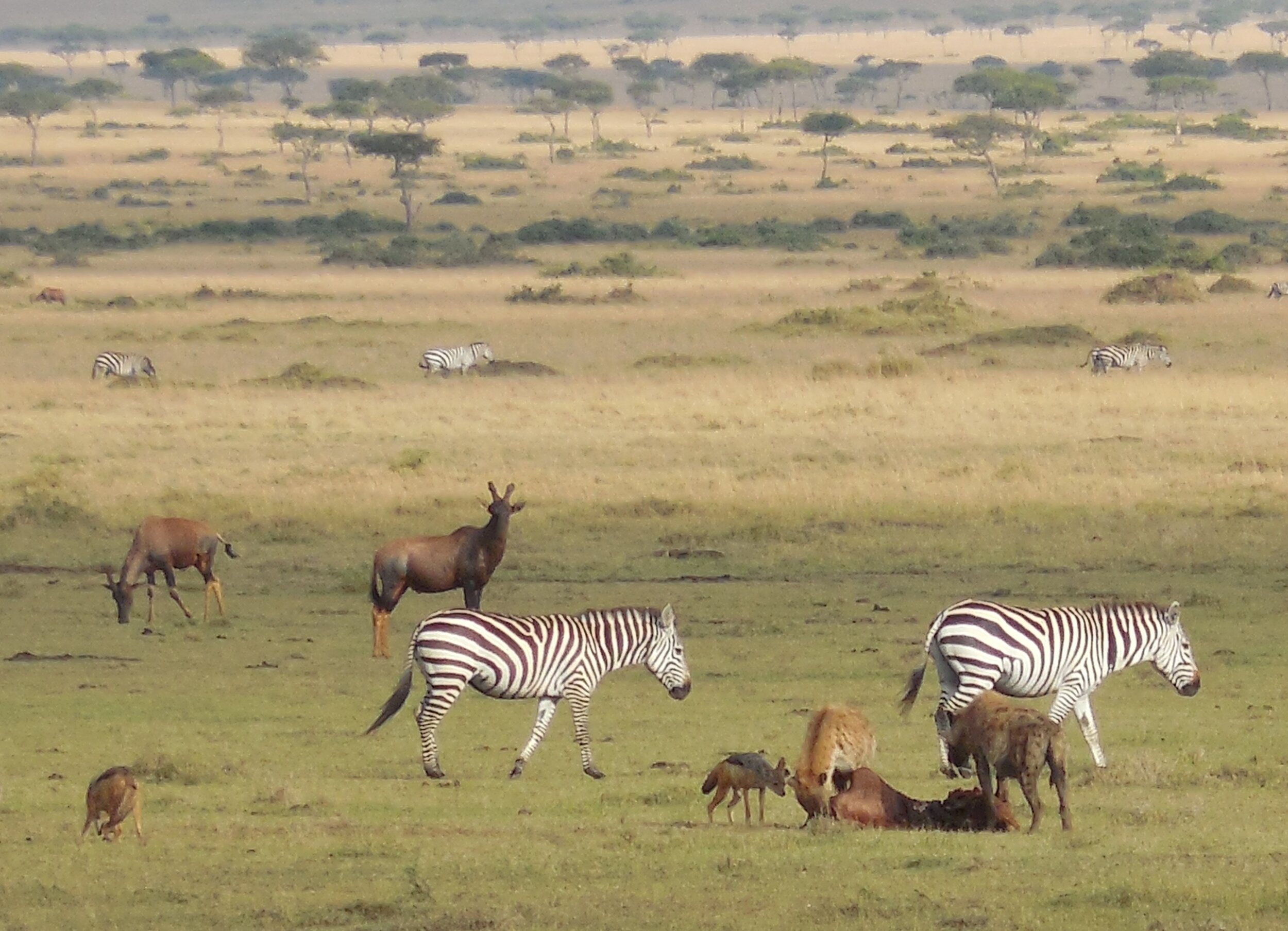
This year I was surprised to find 7 new experiences in South Africa that truly are extraordinarily unique. Ranging from new takes on old experiences to those most definitely practicing Sustainable Tourism, each of my 7 brings an exciting inspiration on journeys through South Africa.

Café Gannet Gin School©Flyga Twiga™ LLC

Café Gannet Gin School©Flyga Twiga™ LLC

1) Gin School

Last year Janine, Café Gannet, and Mossel Bay stole my heart. This year they went for my Soul. How have I lived without going to Gin School?

Created by the wonderful Team Café Gannet, the Inverroche at Café Gannet Gin School "... offers visitors the opportunity to craft their own unique bottle of gin, sample gins from the leading artisanal producer in South Africa and learn more about local fynbos*."

*Fynbos is a small belt of natural shrubland or heathland vegetation located in the Western Cape and Eastern Cape provinces of South Africa.

The awesome takeaway? "...each imaginative scholar leaves with their very own craft gin creation to take home." This is the place which completely encapsulates my Grandfather’s saying, “It’s Schooling to Travel” and what a great education!

Photo Credit: Ocean Experiences

Photo Credit: Ocean Experiences

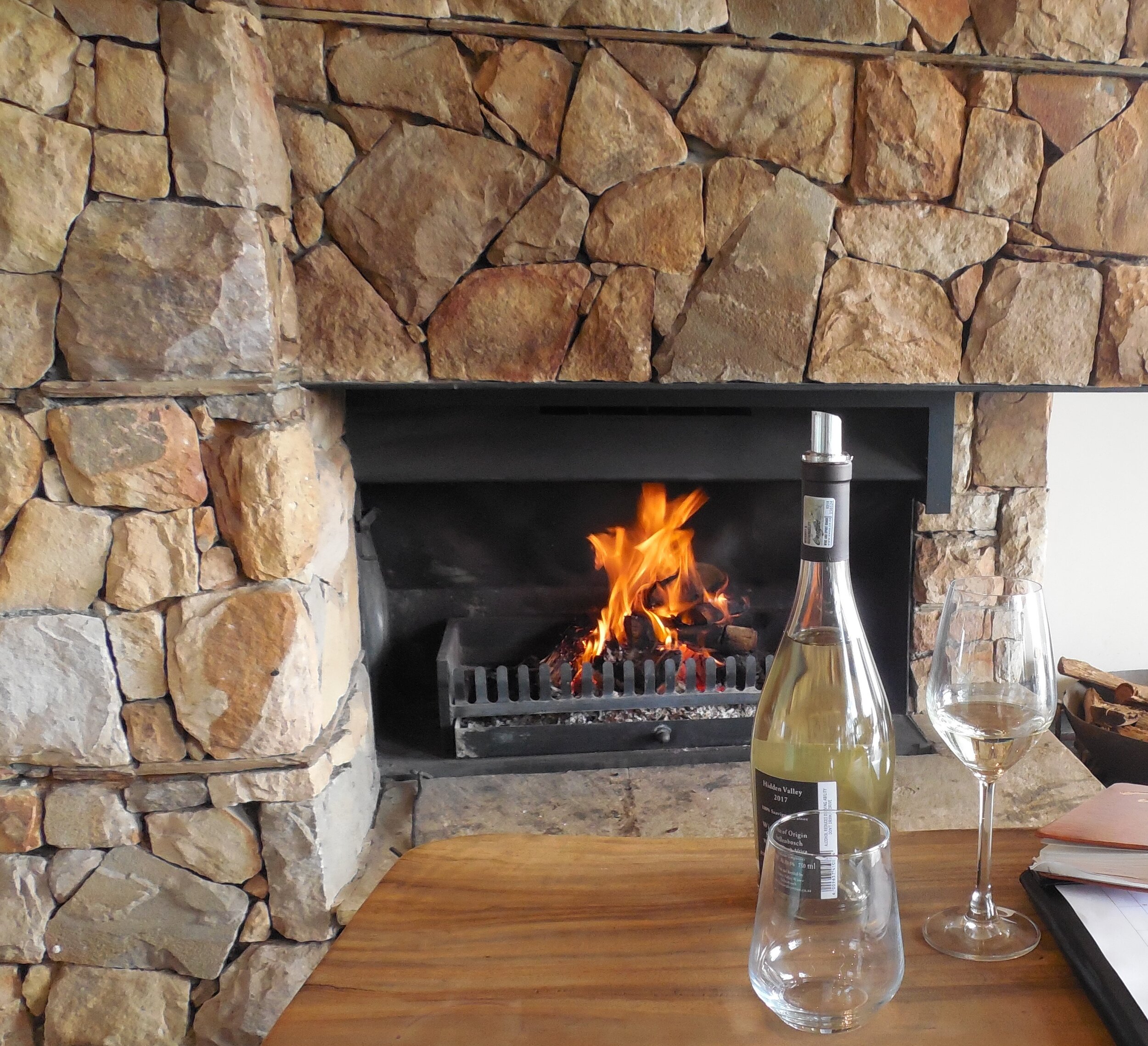
2) Ocean Safari

Swim with the Seals! You read that right. Can you imagine SWIMMING WITH SEALS? This ethically based Wildlife Experience was introduced to me by Carla at OceanX (the name even rocks!).

With OceanX, you will experience the “…beauty of the ocean and its most playful mammals …[with the] seal snorkeling experience, you will not only learn about the Cape fur seals habits, but you will also get to experience their friendly nature first hand.”

While I didn’t get to experience my own Ocean Safari this time in Cape Town, it is now on my CPT Bucketlist. I can’t wait!

Sand Safari Atlantis Dune Experience©Flyga Twiga™ LLC
Sand Safari Atlantis Dune Experience©Flyga Twiga™ LLC

3) Sand Safari

Organized by Cape Town Tourism, I spent a wonderful day experiencing a “Sand Safari.” Located approximately 32 kilometers away from Cape Town, the Atlantis Dunes offer sandboarding, quad biking, extreme (and not so extreme) 4×4 rides, self-drive dune tours (with permits), and off-roading adventures.

Having grown up with the fragile, endangered Dunes of the Outer Banks (OBX) of North Caroline, my big question is how ethical or sustainable are these Dune Experiences? Turns out, extremely ethical and sustainable. Unlike the OBX, the Atlantis Dunes are a filtration system for huge aquifers beneath the sand. Thus, erosion for the Adventure Sports Tourism is not an issue. On top of that, I experienced firsthand how the Atlantis Dune Experience supports not only local Tour Companies, but the entire community as well.

If your idea of fun travel is Adventure – the Atlantis Dunes Experience is for you. I loved it!

Design Afrika©Flyga Twiga™ LLC

Design Afrika©Flyga Twiga™ LLC

4) More Baskets, Please!

While my dear husband has issued a polite warning that I am not allowed to purchase any more African Masks unless I have the specific place it will hang in our home, baskets can be used everywhere! And, thus I found myself back in Africa and deciding I simply needed more baskets for our new house in South Korea.

Enter, Design Afrika. Located in Cape Town, the sprawling store was established in 1995 by Binky Newman after she “…had just left the Okavango Delta, where she had run a wilderness camp for five years.”

Design Afrika is all that is absolutely good about “Fair Trade” and “Ethically Sourced.” Binky’s mission is to “…strive to nurture the creative and entrepreneurial initiative of rural communities by encouraging the production of high quality, on trend products.”

Anyone visiting Cape Town who has a passion for finding honestly Fair Trade and Ethically Sourced Baskets and Crafts must make Design Afrika a stop on their journey. Well done Binky!

Tranquila Spa©Flyga Twiga™ LLC
Tranquila Spa©Flyga Twiga™ LLC

5) A Day at the Safari Spa

And then I found myself with a day off after the World Travel Market Africa 2019. What to do? I immediately thought of consulting my most adorable dear friend Liezel. I met Liezel three years ago at WTMA when I had a meeting with Aquila Private Game Reserve Safari & Spa.

If you believe in Spiritual Connections, I truly have one with Liezel. So, when I started thumbing through my Rolodex of “things to do around Cape Town,” she of course came to mind. And to my rescue.

Liezel planned the perfect day for me at Tranquila Spa – the aptly named new Spa at Aquila. Being picked up from my hotel early in the morning (6:30 am!) for the two hour drive to Aquila was well worth it. While those traveling in the transport with me were shocked to learn I wasn’t going on Safari, I knew I was in for an special treat.

Tranquila Spa has been designed to offer the ultimate in Luxury Safari Lodging Spa Experience. The Spa has “…2 large heated indoor pools, steam room, sauna, nail bar, 10 treatment rooms, a couples or group treatment room and an outdoor pool.”

Spending a day at Tranquila Spa at Aquila Private Game Reserve, with the spectacular South African views along the route to and from, is perfect way to spend a “day off” or simply a day for relaxation and rewinding. Tranquila indeed!

Moyo Restaurant Blouberg©Flyga Twiga™ LLC

Moyo Restaurant Blouberg©Flyga Twiga™ LLC

6) African Urban Cuisine

An unexpected surprise treat came from the Cape Town Tourism Board, a delightful lunch at Moyo Restaurant.  Moyo Restaurants are located throughout South Africa and I had the pleasure of dining at the Blouberg Moyo.

Moyo is a “…destination for a unique African dining experience. Inspired by the traditions and values of our ancestors, moyo is a celebration of, and commitment to, the beauty of Africa, and the industry of her people.” The food reaches into the Urban Centers of Africa for inspiration.

One of the most important aspects of Moyo is their commitment to StreetSmart South Africa. Since 2005, StreetSmart South Africa been operationg “…under the founding patronage of Emeritus Archbishop Desmond Tutu. The funds raised go to selected and approved organisations that run programmes for the normalisation of street and vulnerable children’s lives. The restaurants, accommodation establishments and wine tasting centres in each town raise funds for their own community street children programmes.”

Often establishments like to promote “dining for a cause.” Moyo Restaurants practice what they preach in giving back through StreetSmart South Africa. Again, an example of supporting local communities through Tourism and Travel. The exact ideals Flyga Twiga was established on over 5 years ago.

John My Private Sommelier©Flyga Twiga™ LLC

John My Private Sommelier©Flyga Twiga™ LLC

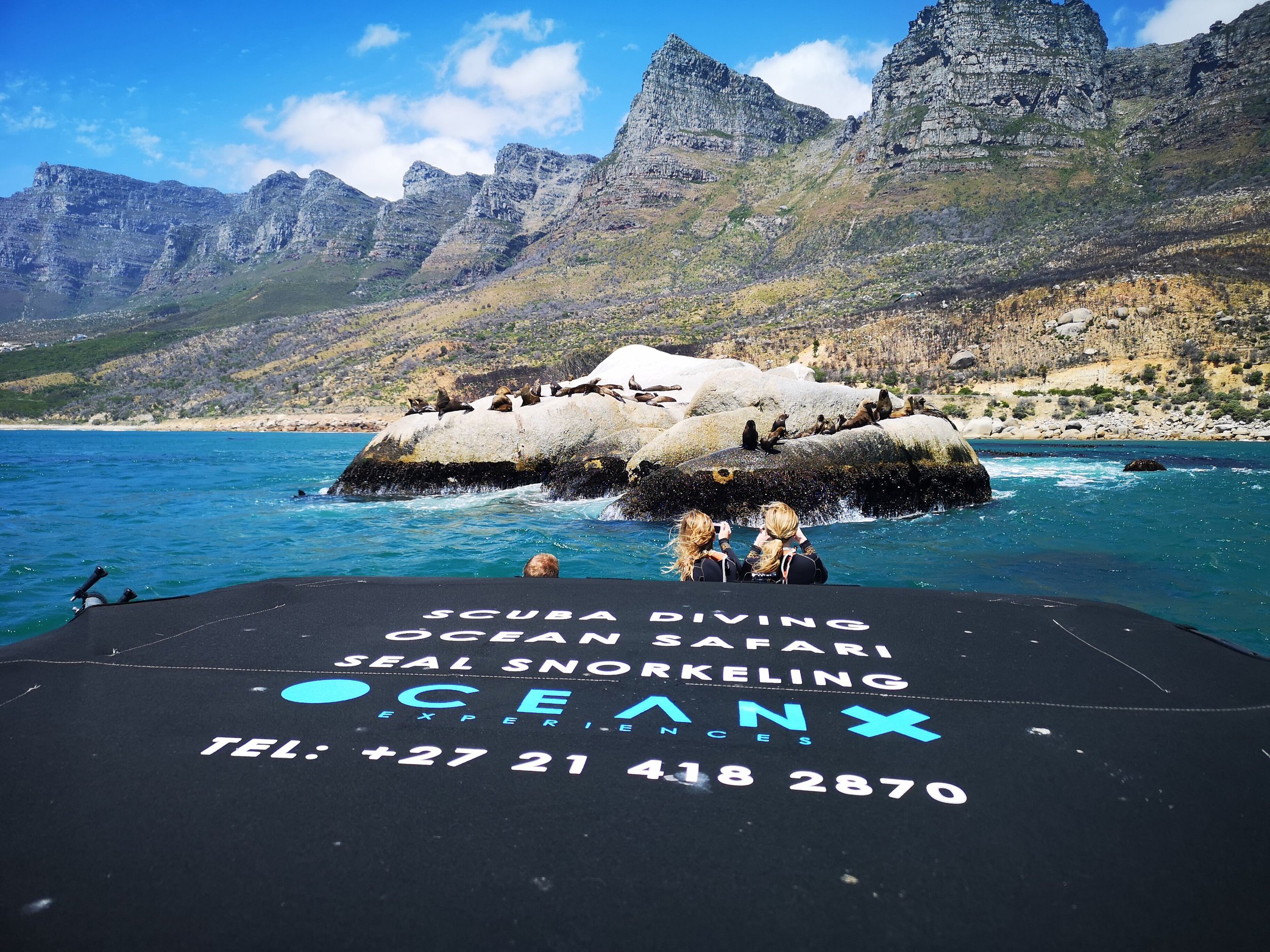
7) Private Sommelier

Having been on numerous Wine Tours on 5 Different Continents, you’d think I would have had just about every type of Wine Tour possible. Then, along comes Wine Escapes. Arranged by my dear friend and South African Travel Partner, Michael English, I spent a lovely day in Stellenbosch with my own Private Sommelier.

Prior to my tour, John, the Creator of Wine Escapes, called to ask my Wine and Food Preferences. In addition, upon my request, he was able to get a tasting with Lola, the Owner of my absolute favorite Boutique Winery in South Africa – Mitre’s Edge. Where, of course, I got my dose of “the kids,” aka “Lola’s Dogs”!

Each Wine Escape Tour is "...conducted by a Certified Tour Guide with certificates in wine from the Cape Wine Academy" Their vision is to"...offer specialized, exclusive wine tours where guests are introduced to some of the best Estates and wines, whilst providing them with excellent service and hospitality.”

So, the next time you are in the Western Cape, I highly recommend arranging a tour with your own Private Sommelier. Wine Touring simply at its best!

Mitres Edge Estate with Dog©Flyga Twiga™ LLC

Mitres Edge Estate with Dog©Flyga Twiga™ LLC
In Travel Tuesday, Tourism, South Africa, Safari Tags #SouthAfrica, #SustainableTourism, #WTMA19
Comment

Happy March! An Amazing Shout-Out in March 2019 Military Spouse Magazine by Communikait - Thank You!

March 1, 2019 Flyga Twiga
Oudtshoorn, South Africa © Flyga Twiga LLC
Oudtshoorn, South Africa © Flyga Twiga LLC

Click Here for an Amazing Shout-Out from Communikait
March 2019 MilitarySpouse Magazine

What is your favorite milspouse-owned business, service or product?
March 2019 Contributors and Community Shout-Outs!

“My husband and I used her to create a luxury safari itinerary for us last fall and it was the best trip we’ve ever taken!”

#honored

In Travel, Flyga Twiga, Safari, Tourism Tags #Safari, #Africa, #travel, #Wildlife, #conservation
Comment

9 Profoundly Different (and Some New!) Approaches to Wildlife Conservation

February 7, 2019 Flyga Twiga
Giraffes, Queen Elizabeth National Park, Uganda ©Flyga Twiga LLC

Giraffes, Queen Elizabeth National Park, Uganda ©Flyga Twiga LLC

I am always amused when I hear someone claim their’s is the “best approach” to Wildlife Conservation. As a Wildlife Conservationist, I adhere to the wholistic approach – everyone, every group, every method, who is striving toward the same goal of saving Endangered Animals, plays a vital role in Wildlife Conservation.

And, there are profoundly different approaches, all of whom should be cheered and lauded for their parts in helping save the Endangered Wildlife of Africa. Here are 9 of my favorites, with some new approaches making the list as well. Please feel free to put your favorite in the comment section!

Lodge Guard in Siana Conservancy, Overlooking Maasai Mara Game Reserve Kenya ©Flyga Twiga LLC

Lodge Guard in Siana Conservancy, Overlooking Maasai Mara Game Reserve Kenya ©Flyga Twiga LLC

1-  Boots on the Ground

With the increase in violent poaching in the past few decades, there has emerged groups of highly trained Counter or Anti-Poaching Units (APUs). Two such groups are Vetpaw and the Black Mamba APU. These highly trained “Boots on the Ground” APUs conduct Wildlife Conservation by going on the offensive against often highly armed, dangerous Criminal Poachers.

Vetpaw was founded by Ryan Tate with the idea of using his military experience.  Mr. Tate’s group’s approach to Wildlife Conservation began after he “…interviewed his colleagues and saw the difficulties and frustrations of men and women who are highly skilled in combat-related areas, but unable to leverage those skills in a conventional civilian setting. They have a continuing dedication to serve others, and Ryan helps them channel it.”

The Black Mamba APU consists of 33 Women and 1 Man working in boundaries of the 52,000ha Balule Nature Reserve, which is part of the Greater Kruger National Park, South Africa. Their objectives include educating “…their communities to understand that the benefits are greater through rhino conservation rather than poaching, addressing the social and moral decay that is a product of the rhino poaching within their communities. They are concerned for their children’s sake as the false economy has brought loose morals and narcotics into their communities.”

Both groups offer back-up and assistance to the courageous Wildlife Rangers who put their lives on the line everyday to stop Poaching. Bravo to VetPaw and The Black Mambas!

Alpha Male Mgahinga Gorilla National Park, Uganda © Flyga Twiga LLC

Alpha Male Mgahinga Gorilla National Park, Uganda © Flyga Twiga LLC

2-  Artificial Intelligence

One of the hottest, most exciting new developments in Wildlife Conservation is the use of Artificial Intelligence (AI). Headquartered in Washington, DC, the nonprofit RESOLVE's Biodiversity and Wildlife Solutions Program just announced its new TrailGuard AI.

Without getting too technical, the way this AI works is:

“TrailGuard AI is the first wildlife-oriented security camera system designed for the rigors of the bush that combines: easy concealment due to its small size (i.e. the length of one’s index finger), human detection algorithms performed on the Intel computer vision processing unit housed in the camera head, long battery life, and near-real time connectivity to alert rangers at park HQs to be able to make timely interventions.”

As my good friend Matt Thomas, who has long been interested in and studies AI says, ”AI is like any other major advancement in technology. We can use it for great evil or great good. It is our choice.” TrailGuard AI, and its ability to help Conserve African Wildlife, is most definitely for the greater good.

3-  Activist Groups

Often giving the loudest “voice” to Conservation, Activists Groups play a central role in saving the Endangered African Wildlife. There are so many wonderful groups, I will highlight one whose work I have supported and who’s current Chief Operating Officer (CEO) is one of the Powerhouse Stars in African Wildlife Conservation.

WildlifeDirect (previously the Africa Conservation Fund) was founded in 2004 by the beloved conservationist, Dr. Richard Leakey, and former World Bank Representative to Kenya, Harold Wackman. With this great heritage, in 2008 Paula Kahumbu became CEO of WildlifeDirect. Under her Leadership, she has helped transform Conservation in Kenya. Through her work, WildlifeDirect playing an instrumental role in seeing the first ever, First Lady of an African Nation, adopt a Conservation Campaign. Through the “Hands Off Our Elephants” Ms Kahumbu’s WildlifeDirect has been a guiding force in changing the way Kenyans view Wildlife Conservation.

As the video above from the Nairobi 2015 “Global March for Elephants & Rhinos” shows, Activist Groups play a key role in having local communities become involved in Wildlife Conservation. I had the honor of attending and meeting Ms. Kahumbu in person and march with her during the rally. Again, each approach to Wildlife Conservation is like the Ecology itself, we all have a role to play.

Monkey and Baby ©Flyga Twiga LLC

Monkey and Baby ©Flyga Twiga LLC

4-  Zoos

This may be a bit controversial. And, by Zoos, I mean modern-day, state-of-the-art, compassionate, well designed Zoos. I am of the opinion that Zoos are one of the Cornerstones of Wildlife Conservation. Aside from the great work they do to help protect animals, it is here, at the Zoo, where many children first learn about Wildlife. For some children, seeing a Giraffe, or an Elephant at the Zoo will spark a lifelong love of Wildlife, which I believe can lead to a passion for Conservation.

Additionally, a lot of people don’t know about the amazing work modern day, state-of-the-art Zoos are doing – beyond the gates of the Zoos. In fact, the Wildlife Conservation Society, founded in 1895, is actually the international branch of the New York Zoological Society/Bronx Zoo. I proudly say, I worked for one of the oldest Conservation Zoos in the World!

Kilimanjaro & Zebras, Amboseli National Park, Kenya ©Flyga Twiga LLC

Kilimanjaro & Zebras, Amboseli National Park, Kenya ©Flyga Twiga LLC

5-  Tourism

No surprise this one is near and dear to my heart. I truly, deeply believe that traveling to Africa and seeing the animals in the wild, is life changing. I have seen time and time again the shifts in perspectives, the transformational experience that is going on Safari in Africa. Having been blessed with a set of skills and knowledge, born from living and working in Africa, it seems natural to bond my passion for International Development and Wildlife Conservation through being part of the Tourism Community.

But, it isn’t just me who sees the hand-in-hand relationship to Travel and Conservation. Each year The Explorers Club, of which I am a Member, Lowell Thomas Award is given. Nicknamed “The World’s Foremost Globetrotter,” Mr. Thomas instilled a passion for exploration, and conservation, at a time when the world was “opening up.” Mr. Thomas was a Member of The Explorers Club as well, and I hope to instill the same love of Travel and Conservation to others, just as he did for so many in his time.

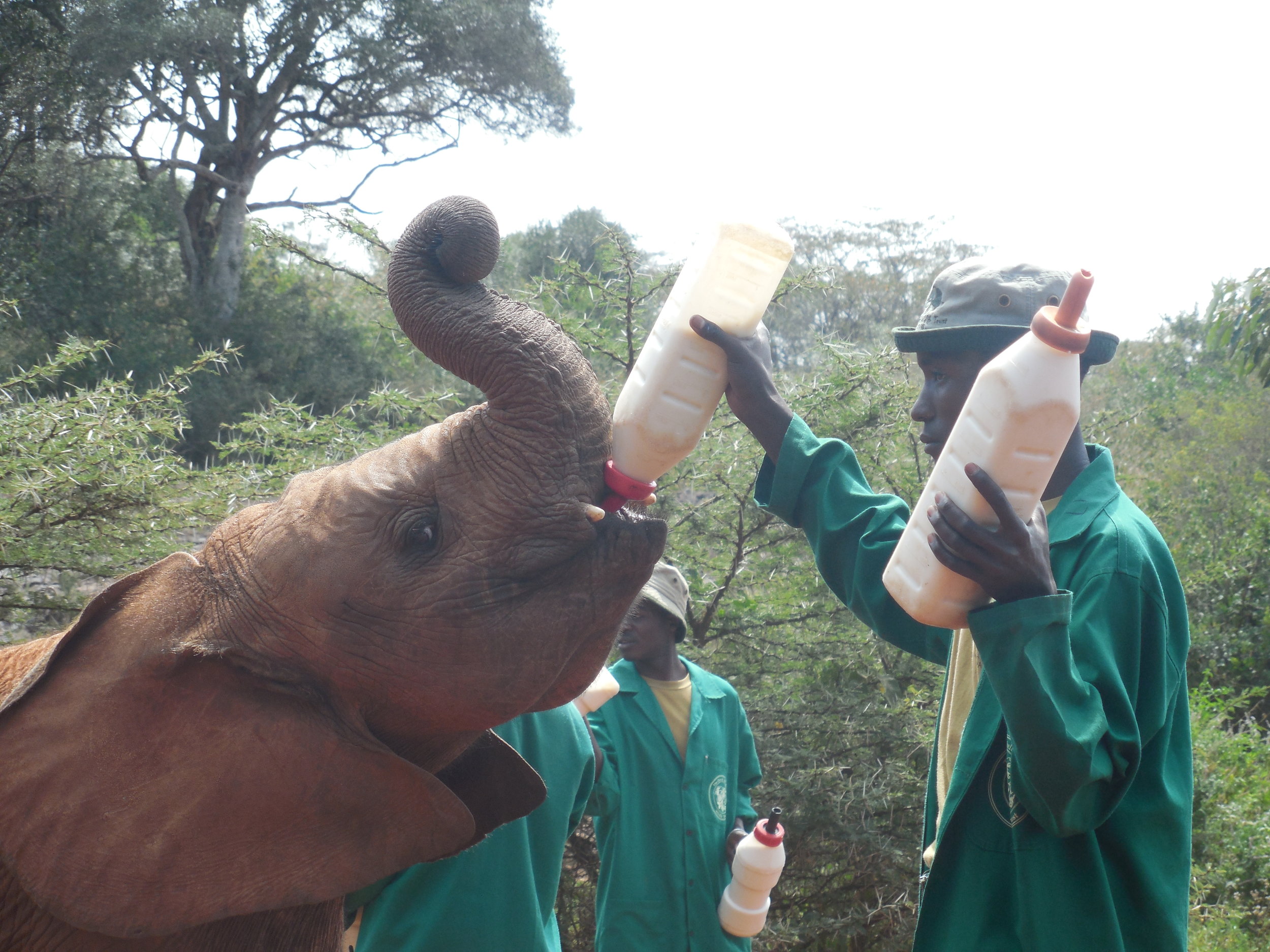
David Sheldrick Elephant Orphanage ©Flyga Twiga LLC

David Sheldrick Elephant Orphanage ©Flyga Twiga LLC

6-  Animal Sanctuaries

There are so many wonderful Animals Sanctuaries, all over the world, doing amazingly awesome work in Wildlife Conservation. One of the best known is the David Sheldrick Wildlife Trust (DSWT). Founded in 1977, DSWT has become  “…today the most successful orphan-elephant rescue and rehabilitation program in the world and one of the pioneering conservation organisations for wildlife and habitat protection in East Africa.”

While DSWT is committed to re-introducing orphaned elephants to the wild, my all-time favorite Animal Sanctuary, The Elephant Sanctuary, South Africa, takes in Elephants who cannot be re-introduced into the wild. Through positive reinforcement domestication, these Elephants live out their lives being Ambassadors for their highly Endangered Species.

By interacting, ethically, with these magnificent Ambassadors, visitors to the Elephant Sanctuary can learn more about the true nature of the Endangered Elephants. It was during my first visit to the Elephant Sanctuary South Africa, over 10 years ago, where a deep love for and desire to save African Wildlife began to encircle my heart.

Animal Sanctuaries, and especially those working with the highly Endangered Elephants, have an extremely important role to play in Wildlife Conservation.

Zebra Wildlife Warning Sign ©Flyga Twiga LLC

Zebra Wildlife Warning Sign ©Flyga Twiga LLC

7-  Animal Kingdom Parks

Much like Zoos, Animal Kingdom Parks have to be qualified. The Animal Kingdom Parks, of which I am speaking, offer safe “Safaris” and Wildlife Experiences. And, as with Zoos, I see these as highly beneficial for sparking an early interest in Wildlife Conservation in young children.

The best example I have of this is the experiences my friend Heidi Thomas (wife of aforementioned Matt Thomas!). Heidi & Matt have regularly taken their three children to experience Disney's Animal Kingdom Theme Park. Heidi has shared with me the true joys here children have gotten from their “Safaris.” I am not surprised honoring Walt Disney’s legacy with an Animal Kingdom Park. A little known fact, at the time of his death in 1966, Walt Disney had one of the largest African Mask Collections in the entire United States.

And, if Walt Disney’s and other Animal Kingdom Parks inspires future Wildlife Conservationists – I am all for them!

Amboseli Elephant Family, Kenya ©Flyga Twiga LLC

Amboseli Elephant Family, Kenya ©Flyga Twiga LLC

8-  Writing

Often after a first Safari and seeing the African Wildlife in the wild, people often look for ways to share their soul changing experiences. Many also look for avenues to support and become part of Wildlife Conservation. One way of doing this is by writing a book.

For example, inspired by her first Safari, my Friend and Author, Mary Jane O'Loughlin, was inspired to write the book “Ruby and Baby an Unlikely Friendship.” It is through this book that she shares her love of African Wildlife while having a portion of the proceeds support, Amboseli Trust for Elephants.  

Sharing her love for African Wildlife and supporting the Amboseli Elephants at the same time, Mary Jane greatly contributes to Wildlife Conservation!

Kait Hanson at Finch Hattons Luxury Camp, Kenya ©CommuniKait

Kait Hanson at Finch Hattons Luxury Camp, Kenya ©CommuniKait

9-  Social Media Influencers

My favorite new way to approach Wildlife Conservation is Social Media Influencers using their Platforms. A unique, and extremely effective form of communication, these Influencers can reach a vast audience.

The perfect example of this is Social Media Influencer, Kait Hanson, of Communikait. Kait is a Lifestyle and Travel Blogger, Writer and Photographer. In addition to her exceptional Website & Blog, Communikait, Kait’s influence includes nearly 9,000 followers on Instagram. Her Communikait Facebook Page has over 3,000 Likes, and she has over 4,500 followers on Twitter. She rounds out her Social Media Powerhouse with 709.4k monthly viewers on Pinterest. That is a lot of Influence.

During her first Safari in Africa, Kait used her Social Media Platforms to showcase her Safari and the highly Endangered African Wildlife. Each of her posts had hundreds of Likes and Comments. For instance, her posts about seeing one of the last remaining Rhinos in the Wild, went out to her tens of thousands of followers. And, equally as important, to followers who may never been exposed to the realities of Endangered Animals and how close we are losing whole Species.

As a high-profile Social Media Influencer, Finch Hattons Luxury Tented Camp, asked Kait during her Safari to take over their Instagram Account. Located in Tsavo West National Park, Kenya, Finch Hattons astutely has realized the power of Infuencers in Social Media. And, they picked up numerous followers thanks to Kait’s Infuencer Status.

By using her powerful Social Media Influence, Kait is able to reach and educate a vast amount of people on the importance of saving Endangered African Wildlife. As one of the newest approaches to Wildlife Conservation – Kait’s contributions as a Social Media Influencer are the absolutely perfect Win-Win. A thousand cheers to Kait for all she does for Wildlife Conservation as a Social Media Influencer – Brava!

Amboseli Elephants, Kenya ©Flyga Twiga LLC

Amboseli Elephants, Kenya ©Flyga Twiga LLC

Thank you to everyone for
their role in Wildlife Conservation!
Happy Day! Safe Safari!

In Safari, Tourism, Wildlife Conservation Tags #wildlifeconservation, #Africa, #Safari, #Kenya
Comment

#TravelTuesday New Safari and Exceptional Experiences for 2019 - Happy New Year!

January 1, 2019 Flyga Twiga
Wine Tasting South Africa © Flyga Twiga LLC

Wine Tasting South Africa © Flyga Twiga LLC

Excited to offer New for 2019
Safari Packages and Exceptional Experiences!

In Travel Tuesday, Safari, Travel Tags #Safari, #travel, #TravelTuesday
Comment

Amy Millican Is Changing the Way Travelers View Africa - AzureAzure Magazine Feature

December 29, 2018 Flyga Twiga
Amy Millican on Dessert Safari © Flyga Twiga LLC

Amy Millican on Dessert Safari © Flyga Twiga LLC

Honored to be Featured in
AzureAzure Magazine


azureazure - a privileged life

In Travel, Safari, Wildlife Conservation Tags #safari, #wildlifeconservation, #travel
Comment

#TravelTuesday Customs & Immigration & Security Hacks for the Ardent Traveler

August 13, 2018 Flyga Twiga
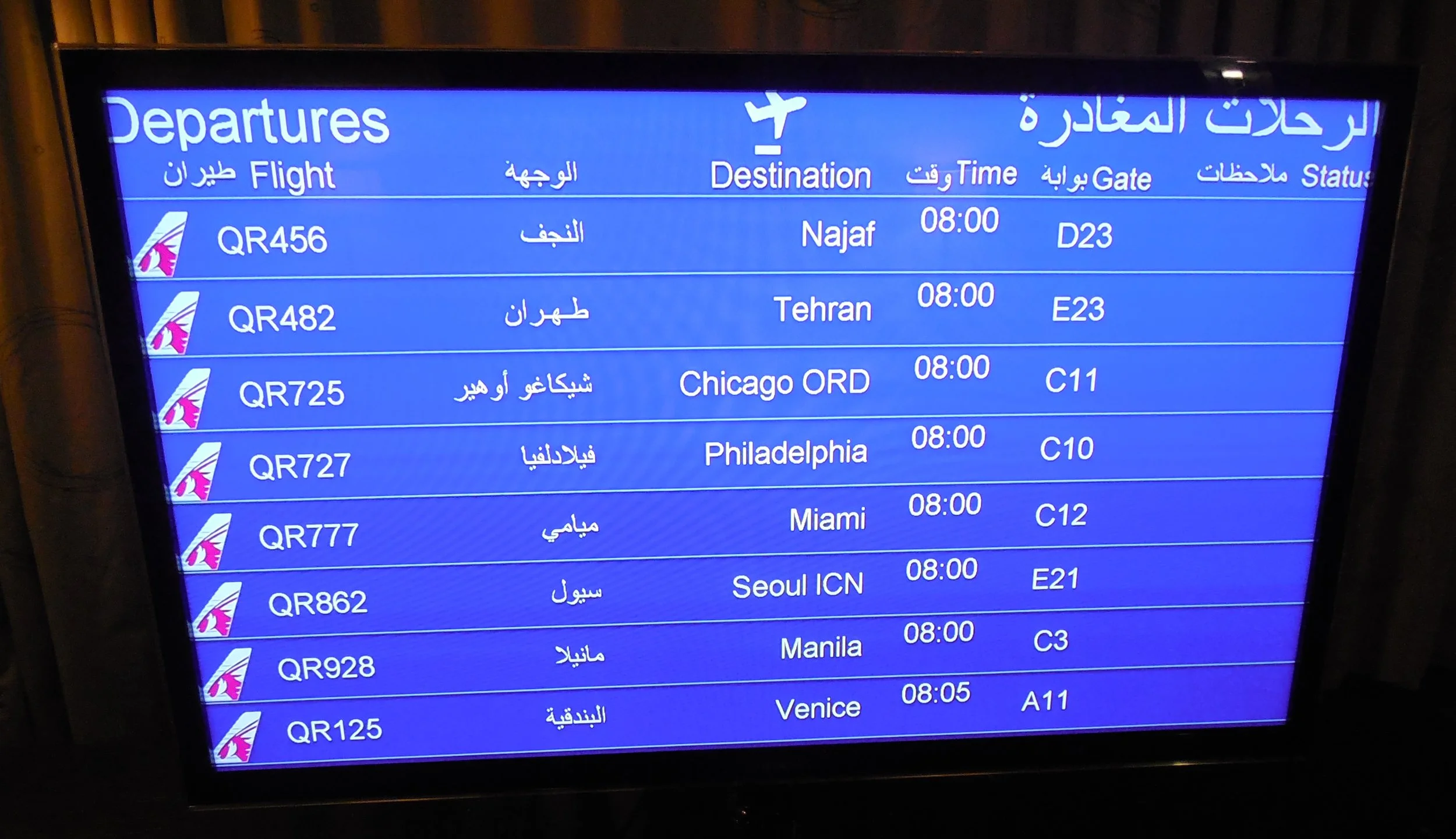
Flights Schedule Qatar © Flyga Twiga LLC

Flights Schedule Qatar © Flyga Twiga LLC

Documents

While we all know to check to see if we need a pre-Visa, or may obtain a Visa Upon Arrival, it is often easy to forget to carry the Name & Address of the first hotel for Entry Documents. 

It is  important to have the name of the first hotel, especially if you are entering the country at a lesser known Point-of-Entry, than say, the nation's capital. Local Customs Officials can be inexperienced with extensive Globe-Trotting, International Travelers.

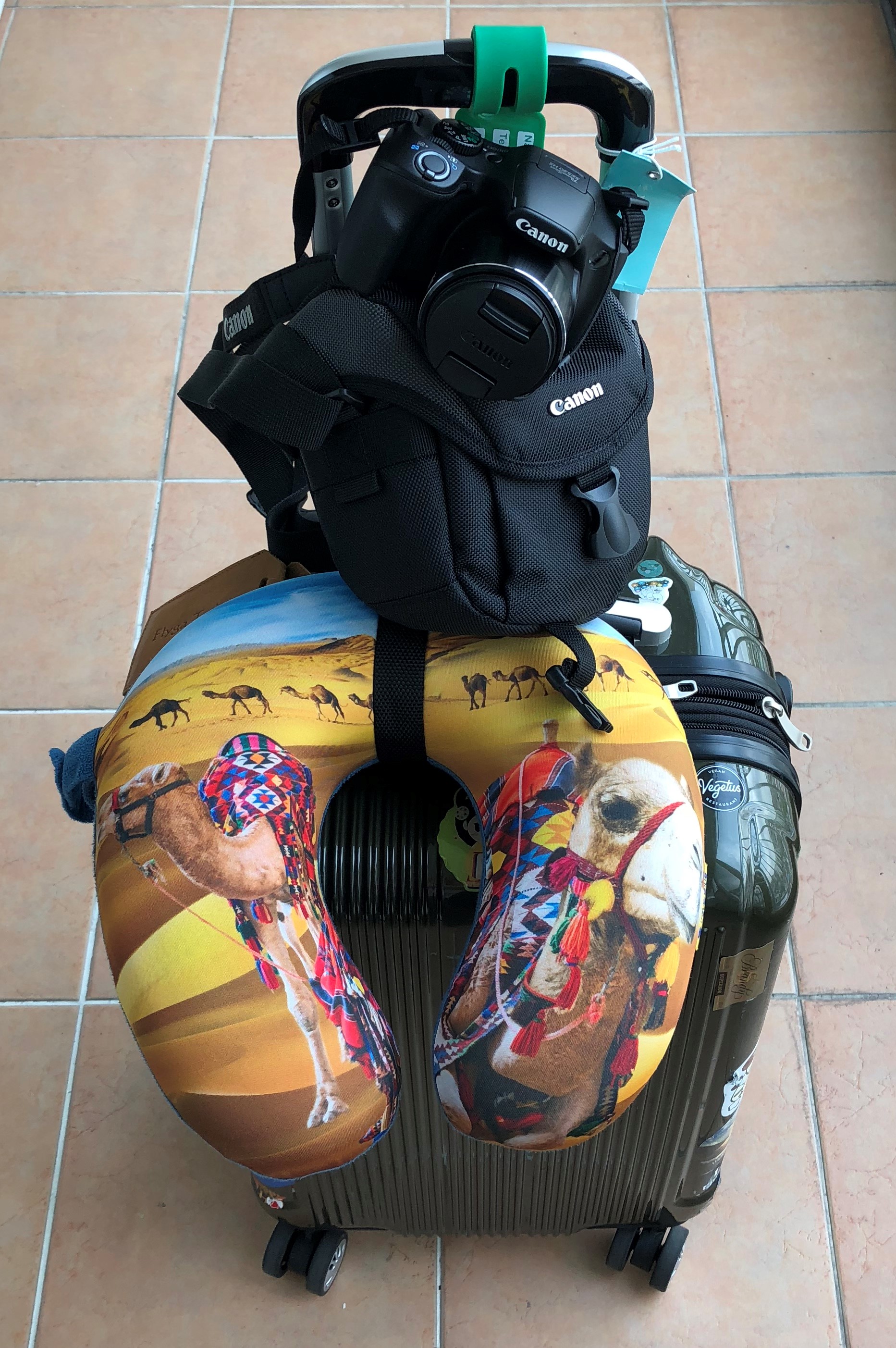
Carry On & Camera © Flyga Twiga LLC

Carry On & Camera © Flyga Twiga LLC

Photography

DON'T DO IT! No matter how excited you are to be in your new country, photography & filming is STRICTLY PROHIBITED in all airport Customs, Immigration, & Security Clearing Areas.

Always wait until you have cleared customs and are on the outside Terminal before taking photographs. 

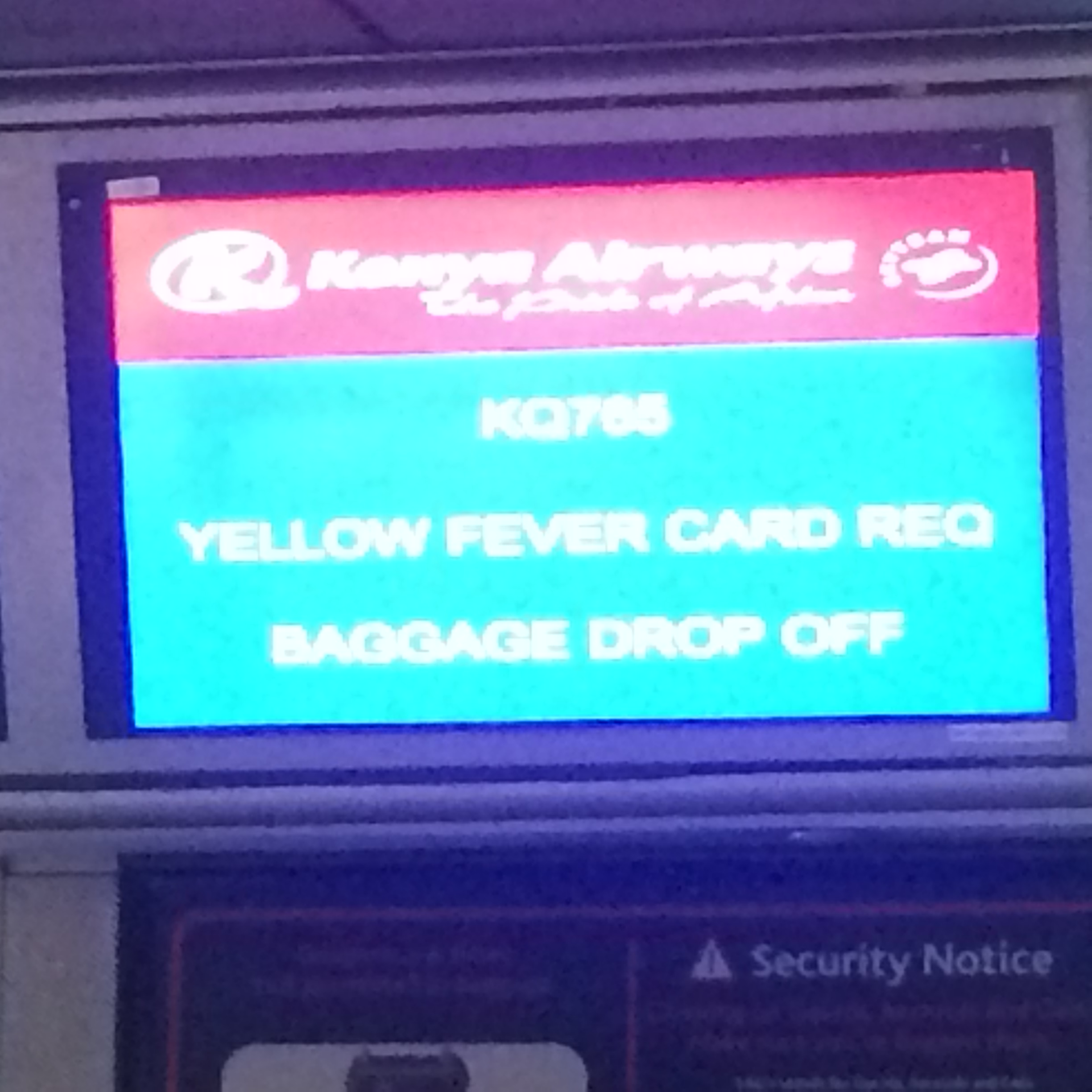
Yellow Fever Card Required © Flyga Twiga LLC

Yellow Fever Card Required © Flyga Twiga LLC

Prescription Drugs & Vaccination Cards

Be sure to check which Prescription Drugs are allowed in the countries to which you will travel. And, do not forget official proof of Vaccinations.  

Some countries, such as the Republic of Uganda, offer Yellow Fever Vaccines at Entebbe International Airport, if you don't have your Vaccination Card. But the shot costs money which must be paid in US Dollars & do you really want to start your Safari with a shot in the arm? And, this is rare, you can actually be quarantined or even "Denied Entry" without official Vaccination Cards. 

And, once "Denied Entry," it can be nearly impossible to gain a new Visa. This is one case where forgetting documentation can go on your "Permanent Record"!

Don't forget your Vaccinations Cards & check on what Prescription Drugs are allowed! 

Eldoret International Airport Kenya © Flyga Twiga LLC

Eldoret International Airport Kenya © Flyga Twiga LLC

Bathrooms & Bottled Water

Who knows how long it will take you to get through Customs, Immigration, & Security when deboarding a flight? Go to the bathroom before the airplane lands & be sure to carry a bottle of water with you. 

While it is easy to assume this is only advise for airports in smaller regions, recent reports have clocked Heathrow International Airport Security lines taking up to four (4!) hours. 

In addition, you may not always be allowed to get out of line to go to the bathroom and some airports may not have air-conditioning. Combined with dehydration from the plane, it best to be prepared by going to the bathroom before the airplane lands and having a bottle of water for the lines through Security. 

Smart Phones © Flyga Twiga LLC

Smart Phones © Flyga Twiga LLC

Cellphones

Do not bring out your Smart Phones / Cellphones, once you have deboarded the airplane, until you are COMPLETELY through Customs, Immigration, & Security. 

Once the Pilot has announced you can take your devices off of "Airplane Mode" & before deboarding, that is the time to make any telephone calls, send text messages, or message family, friends, or awaiting parties. 

Once you have deboarded & are off of the airplane - DO NOT TAKE OUT YOUR CELLPHONE UNTIL YOU HAVE LEFT CUSTOMS, IMMIGRATION, & SECURITY AREAS & ENTERED THE MAIN TERMINAL!

I can not stress this enough. This has become a hot-topic, flash-point issue. One of the reasons for this is the recent number of high profile cases of Airline Passengers getting into arguments with Customs & Immigration Officials and deciding it would be a "good idea" to record these arguments.

If Customs, Immigration, & Security Officials see you on your Cellphone, in any airport in the World, they have every reason to believe you may be recording or taking pictures. This is simply a basic Security Issue. 

Need the time? Look for a clock - there will be one somewhere. Need to communicate with someone? Do that before you deboard the airplane. Just so darn excited to be there you can't wait to take a Selfie? Wait. No Selfie is worth getting in trouble with local Officials. 

And now that you have smartly navigated Customs, Immigration, & Security, it is time to have a
Happy Day! Safe Safari! 

Incheon International Airport Terminal 2 © Flyga Twiga LLC

Incheon International Airport Terminal 2 © Flyga Twiga LLC

In Safari, Expedition, Travel Tuesday Tags #travel, #aviation, #security
Comment

Thank you MOAA for the Awesome Interview. The Honor is Deeply Appreciated!

May 16, 2018 Flyga Twiga
Uganda Bull Ellie ©Flyga Twiga LLC

Uganda Bull Ellie ©Flyga Twiga LLC

"Navy Reserve Spouse Helps Clients Plan the Safaris of Their Dreams," Military Officers Association of America (MOAA), 14 May 2018. Click here for online interview.

Flyga Twiga Logo ©Flyga Twiga LLC

Flyga Twiga Logo ©Flyga Twiga LLC

In Tourism, Safari Tags #Travel, #business, #SafariChic
Comment

Lodge Cast Iron Wok Review - Amazing Product that Would Even Be Perfect for the Bush Camp!

May 5, 2018 Flyga Twiga
Lodge Cast Iron © Flyga Twiga LLC

Lodge Cast Iron © Flyga Twiga LLC

Having grown up learning to cook on a woodstove with Cast Iron, I have a deep history with and love for cast iron. Now living in Asia, I have embraced Asian Cooking, taking various cooking classes, and experimenting with my own variations of “fusion cooking.”

Thus, the moment I clicked the “Specialty” section of the Lodge Cast Iron website and saw the 14 Inch Cast Iron Wok – my heart skipped a beat. My dream cookware item was being manufactured in Tennessee. But, I needed to get it to South Korea.

Thankfully Lodge has some of the nicest customer service people on Earth.  I wrote a frantic email asking could they mail to an Army Post Office (APO) address?  Not all companies in the US do. Furthermore, this was one HEAVY piece of cookware.

I received a nice email back from Danielle F. who said “yes, we do ship to APOs, but that is a special order and you need to call to place the order.”

So, factoring in the time difference, I stayed up late one night and called the Lodge Cast Iron Company in Tennessee and guess who answered? Danielle F., of course!

There are several details which set this item apart from others. First, it is 100% Cast Iron. USA made Cast Iron is the ONLY Cast Iron that is guaranteed pure iron.

Second, the Cast Iron Wok, is a beautiful symbol of all that is good about America. Asian Cookware made in Pittsburg, Tennessee. They deliver what they promise – for a fair and honest price.  And, they truly support the US Troops – thank you Lodge!

Lodge Cast Iron Products © Flyga Twiga LLC

Lodge Cast Iron Products © Flyga Twiga LLC

Now…on to the big event, the first time using the Lodge Cast Iron 14 Inch and the Mini Woks!!!

Both Woks are exceptional cookware. The Mini Wok worked surprisingly well in making just the perfect amount of rice for me and my husband.

The 14 Inch Wok performed to a tee. All the food was evenly cooked and the Cast Iron retained its heat inbetween servings. 

One of the reasons I mention that this would be perfect in a Bush Camp is the depth and amount of food you can cook at once. So, for example, if there was a group of Koreans or Taiwanese who asked for a Stir Fry, this would be an excellent addition to any Bush Camp for that purpose.

Lodge Wok & Mini Wok © Flyga Twiga LLC

Lodge Wok & Mini Wok © Flyga Twiga LLC

I'm really impressed with these Lodge Cast Iron products. I already had purchased the 12 Inch Skillet. I added two of the 6 Inch Pans to my order. And, the Mini Wok was a surprising hit in my kitchen.

I'd love to get a chance to try cooking over an open fire with the Woks. Until then, I will just keep practicing in my tiny Asian kitchen on "Stir Fry Friday." 

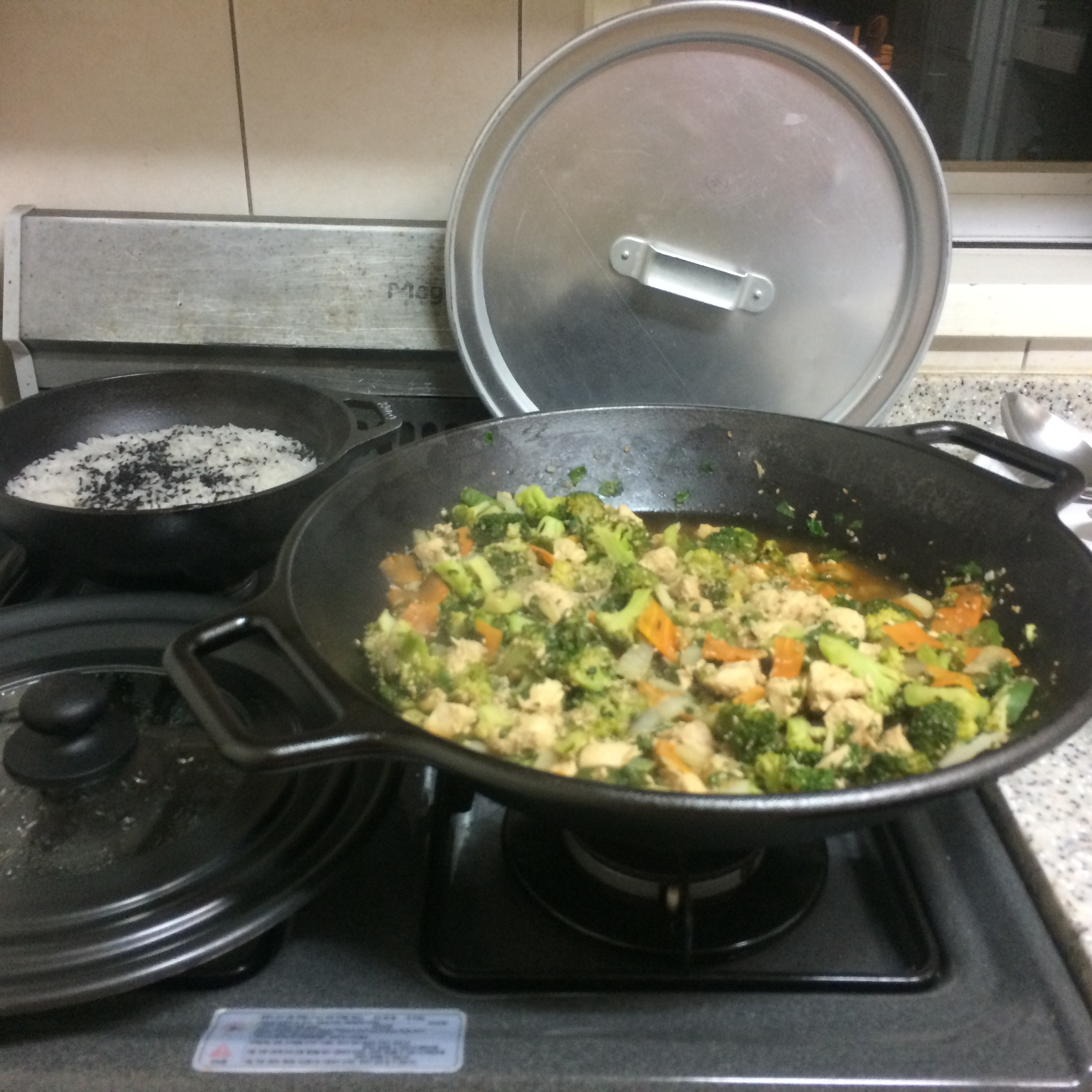
Dinner is Served! 

Dinner is Served! © Flyga Twiga LLC

Dinner is Served! © Flyga Twiga LLC

Please note: I was not compensated for this review/blog post. I purchased the Lodge Cast Iron Products!

In Bush Camp, Safari Tags #Asia, #Foodie, #Korea, #Taiwan
Comment

#TravelTuesday Flyga Twiga™ Honored to Again be Asked to Attend World Travel Market Africa

March 27, 2018 Flyga Twiga
Cape Town Waterfront - Table Mountain © Flyga Twiga LLC

Cape Town Waterfront - Table Mountain © Flyga Twiga LLC


Flyga Twiga™ is honored to once again be asked to attend the World Travel Market Africa. Taking place in Cape Town, South Africa, WTMA is one of 6 shows offered by WTM of Reed Exhibitions. WTMA sees “…nearly 5000 travel industry professionals attend Africa’s leading and only business to business (B2B) exhibition for inbound and outbound Africa travel and tourism markets.”

WTMA 17 © Flyga Twiga

WTMA 17 © Flyga Twiga

In addition to over 36 private one-on-one meetings Flyga Twiga™ is scheduled for the Speed Networking Session, exclusive lunch and aftershow tours hosted by Cape Town locals, and evening networking and entertainment events.

This year I’ll be staying at my favorite Westin Hotel - Cape Town! The staff at The Westin Cape Town is second to none. The food in the Club Lounge is delicious. Their laundry services are exceptional. And, the Westin is just an overpass walkway to the Cape Town International Convention Center.

Westin CPT © Flyga Twiga LLC

Westin CPT © Flyga Twiga LLC

Can’t wait and I will be blogging and posting on my social media some special tours that are in the works. So excited for WTMA 18 and to be back in South Africa!

In Tourism, Safari, South Africa Tags #WTMA18, #Travel, #CapeTown
Comment

Spring Cleaning! Made even better as a local business asked for my Middle East & Africa Travel Magazines.

February 21, 2018 Flyga Twiga
Spring Cleaning 2018! © Flyga Twiga LLC

Spring Cleaning 2018! © Flyga Twiga LLC

In Safari, Tourism Tags #SafariChic, #Travel
Comment

#TravelTuesday What will I eat on Safari? That is one of the questions I am asked a lot on my #SafariAMA

February 5, 2018 Flyga Twiga
Lunch Kibale Forest National Park Uganda © Flyga Twiga LLC

Lunch Kibale Forest National Park Uganda © Flyga Twiga LLC

Bush Camps usually have buffets or set menus. And, the costs are included in your Safari Package. In Kenya and Uganda Bush Camps, many times, you will find Indian Food on the Buffets. If you stay at luxury hotels or Glamping Safari Camps, you most likely be served almost any kind of food & drink you want, including exceptional African Wines.

As with any travel, if you have allergies or special dietary needs, you must inform the Safari Service Provider and check to be sure they can meet your needs.

And, in East African cities, such as Kampala and Nairobi, you will find fine dining restaurants. In Kampala, Mythos Greek Taverna & Lounge is one of my absolute favorites. 

And, if you are into “Celebrity Chefs”
I can personally recommend Kiran Jethwa's Seven Seafood and Grill in Nairobi, Kenya. Kirwan’s first show on National Geographic People was “Tales from the Bush Larder”. Now he appears in his new show “The Fearless Chef”.

The above picture is our unique lunch in Kibale Forest National Park. Our lunch was served in a Banana Leaf,  and provided the perfect "to go" meal for the Trek. Provided by our host the Uganda Tourism Board, we were treated to a wonderful day of Chimpanzee Trekking. Kibale Forest is such a special place! 

Mweya Safari Lodge Queen Elizabeth National Park Uganda©Flyga Twiga™ LLC

Mweya Safari Lodge Queen Elizabeth National Park Uganda©Flyga Twiga™ LLC

In Travel, Safari Tags #SafariAMA, #SafariChic, #Foodie
Comment

I was invited to join the social media platform AMAfeed & I'm really loving it!

February 1, 2018 Flyga Twiga
Close Up with Two Brother Gorillas Nyakagezi Group Mgahinga Gorilla NP © Flyga Twiga LLC

Close Up with Two Brother Gorillas Nyakagezi Group Mgahinga Gorilla NP © Flyga Twiga LLC

I held my first "event" - an Ask Me Anything about Safaris and Travel to Africa. It is so much fun.

Part of my takeaway from this platform is using search engines to answer questions is great - but you have to know what to search for. AMAfeed, in my experience with my first event, helps direct further research. Especially for Safaris and Travel to Africa, there are rarely "yes" or "no" set answers. Furthermore, how on Earth do you know the links you are following are real or have any expert, honest advice? 

With AMAfeed #SafariAMA it is MY reputation on the line. AMAfeed allows a really good balance of letting me promote my business and work, while offering information people want/need. 

The reason for the picture above? I received a lot of questions about Gorilla Trekking and how close you can get to the Gorillas. This was taken last year Mgahinga Gorilla National Park on my Gorilla Trek. Truly an amazing experience which I am so glad to share with the AMAfeed Community.

Happy Day! Safe Safari!

In Safari, Travel, Flyga Twiga Tags #Trekking, #Travel, #SafariAMA
Comment

#TravelTuesday Preparing for Safari? Attending Pyeongchang Winter Olympics? Which Travel Insurance is the best?

January 29, 2018 Flyga Twiga
Boma, Jonglei State, South Sudan © Flyga Twiga LLC.jpg

Boma, Jonglei State, South Sudan © Flyga Twiga LLC

The kind folks at Reviews.com reached out to me. They have recently completed a review of travel insurance. Click here to read their reviews.

I believe this is a good place to start when trying to determine what travel insurance will meet your needs. Travel insurance comes in different types, for various forms of travel. I always suggest travel insurance, as you will see from my Safari Guide here.

Of course, a disclaimer, I do not receive any compensation from Reviews.com.

Happy Day! Safe Safari!

In Olympics, Safari Tags #TravelTuesday, #Africa
Comment

Travel Advisory - East Africa Tourist Visa

August 4, 2017 Flyga Twiga
EATV © Flyga Twiga LLC

EATV © Flyga Twiga LLC

As Flyga Twiga has been covering, there seems to be quite a bit of change going on within the tourism regulations and procedures in the Republic of Rwanda. Earlier this year, the Rwanda Development Board (RDB) announced the doubling of Gorilla Trekking Permit Fees. This was discussed widely within the East African Tourism Industry (our reporting on this discussion). And, sparked a response from neighboring Uganda, who share the border and the few remaining Mountain Gorillas with Rwanda (Uganda Tourism Board Statement).

Now, Rwanda appears to be reinterpreting the much touted “East Africa Tourist Visa” (EATV).  In a “Travel Tips Press Release” dated 2 August 2017, Coastal Aviation, one of the leading East African Safari Aviation providers, stated:

Visa Issues in Kigali
We have recently had a case where guests arrived in Kigali and were deemed to not have a valid visa. This caused us to be fined $3,000 by the Rwandan authorities. It transpired that the guests had an East African Univisa. They had applied through Uganda for this. The Rwandan authorities deemed this visa to be invalid as the guests should have applied to Rwanda, their first arrival point, rather than Uganda. Please ask you guests to double check this should it apply to them. We will no longer be responsible for any fines, should this recur. On Application for a Visa, the applicant is given a tracking number. It is important that we receive this tracking number, in order to be able to verify the visa, before flight.

This interpretation of the EATV was not a “one off” fluke, or misinterpretation by a rogue Rwanda Customs & Immigration Agent. Julian Edmunds, Managing Director of Coastal Aviation, only two days after the initial Press Release, sent out an email, subject, “Rwanda Visa Issues.” He stated in his 4 August 2017 email:

The Rwandese seem to interpret the multiple entry as that you may cross the borders between Rwanda, Uganda and Kenya...but that as soon as you leave these countries (ie to Tanzania) then the visa is deemed to have expired and a second visa is then required. 

Yesterday we had another such incident. Guests had the East Africa Tourist Visa and used it to enter Kenya. They then left Kenya and then went to Tanzania; we then flew them from Tanzania to Rwanda. The immigration officers in Rwanda would not accept their East African Tourist Visa as they deemed it expired. Luckily the guests were American and therefore eligible to purchase a visa on arrival...had that not been the case, we would have been forced to repatriate them to Tanzania and fined $3000!

Nowhere in the documentation, in English and Korean, does it state that this should be the case. Rather, the document, titled, “Take advantage of the new East African Community Visa” states:

“The holder shall also be allowed to move out of the Republic of Kenya, the Republic of Rwanda, and the Republic of Uganda and return without having to pay for another visa. This will only be applicable for 90 days.”

What all this means for those traveling on the EATV is unclear. Hopefully the respective Tourism and Development Boards will issue clarifications on this matter. When they do, we will immediately provide the information here.

Until then, have a Happy Day! And, a Safe Safari!

In Tourism, Safari Tags #Rwanda, #Uganda, #Kenya, #Travel
Comment
← Newer Posts Older Posts →