


Happy #TravelTuesday The Shoutout that moved me to tears this morning!


Kenya Wildlife Services & Maasai© Flyga Twiga™ LLC
Great Juneteenth Celebration at Camp Humphreys, South Korea! #celebratefreedom #safari #wildlifeconservation
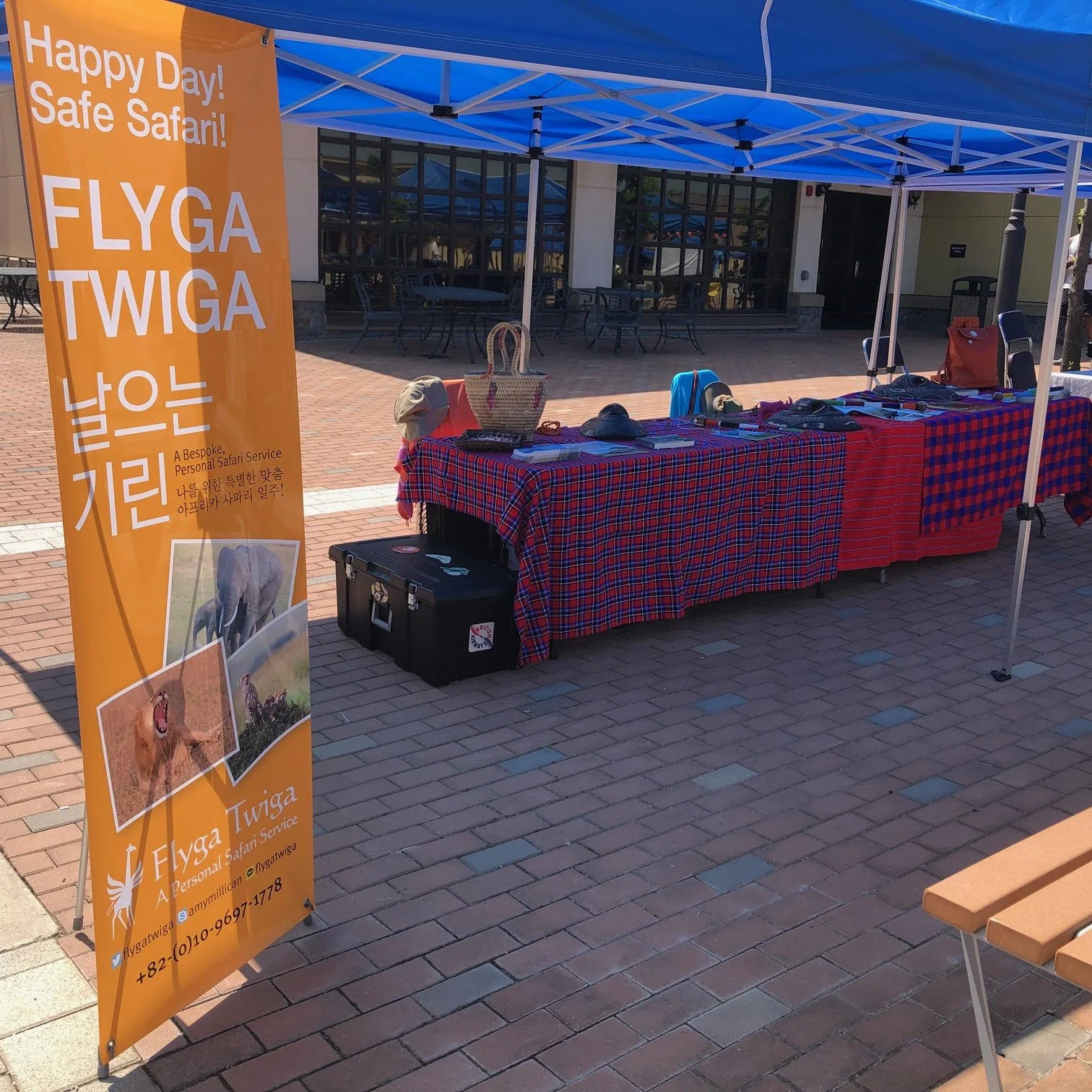
Great event at Camp Humphreys Asian American Native Hawaiian Pacific Islanders (AANHPI) Festival!

#TravelTuesday What's Happening With 2024 Safari Pricing?
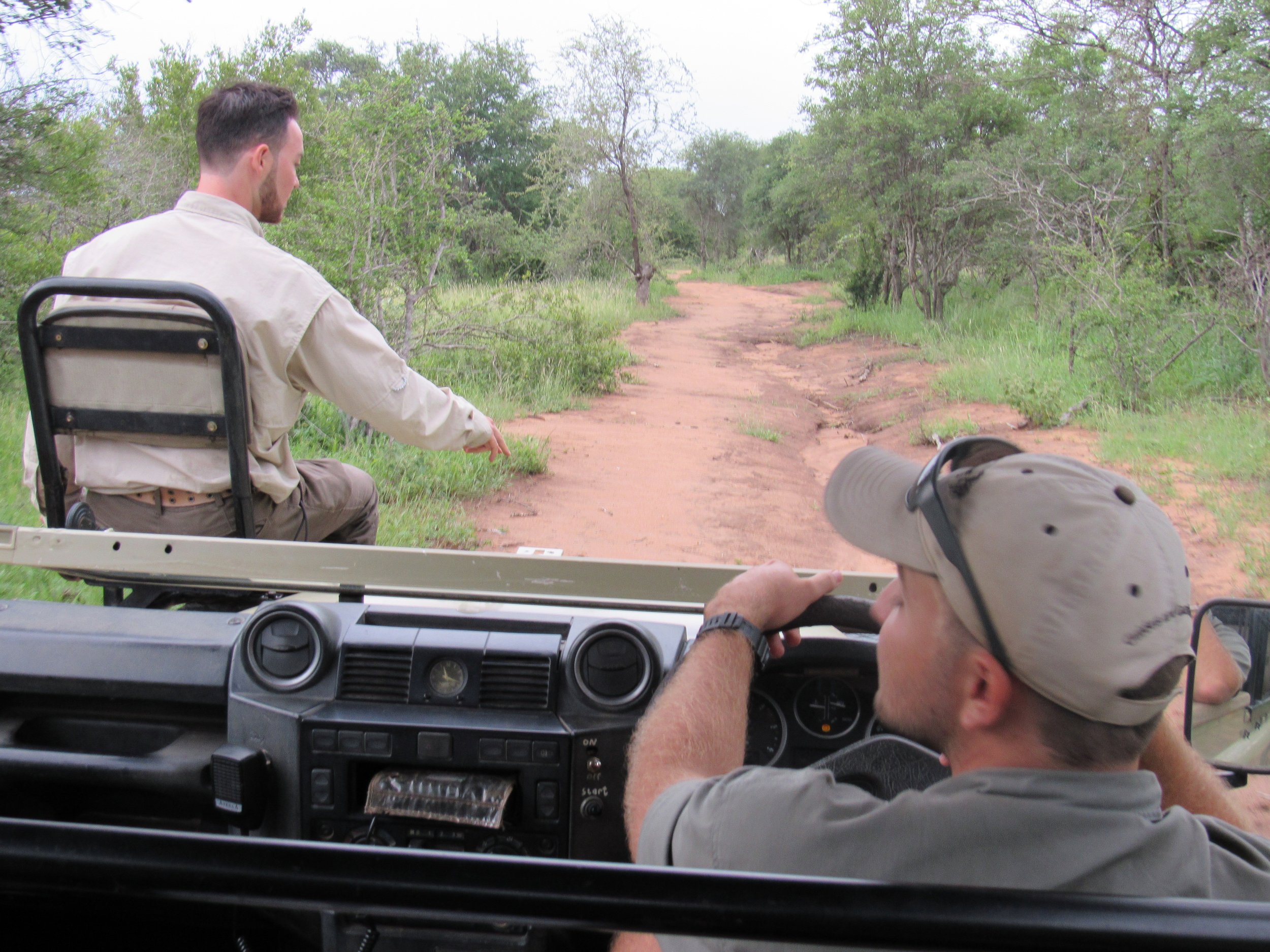
While working on a Safari for 2024, my South African Travel Partner, Nikki Thaver of Southern Africa 360, informed me that South Africa 2024 rates would be going up between 10%-15%. In my opinion, East Africa will follow suit.
These increases are not random “money grabs.” Rather, they are in response to immense outside factors. Increasing prices is vital for Sustainable Tourism, Wildlife Conservation, and Supporting Local Communities.
Below is an email I recently received from Joe Cloete, Shamwari CEO. Joe’s email is the most thorough and transparent discussion, I have seen, of what is happening in the Safari industry. With permission, I am sharing this information. I am honored to work in an industry with such examples of honesty and integrity.
Thank you Shamwari!

Zebras South Africa©Flyga Twiga™ LLC
Dear Travel Partner
I thought it would be prudent to inform you about the challenges that the hospitality sector and, in particular, private game reserves are facing due to the current economic climate and some of the hard decisions we’re having to make as a result.
Having emerged from three years during which the Covid-19 pandemic devastated the sector and affected many people’s lives and livelihoods, intense cost pressures are now causing further serious headwinds.
It is apparent that we will face at least four to six stages of load shedding [rolling blackouts] and possibly worse throughout 2023/24. This means our back-up generators will have to run for between six and 12 hours a day.
Eskom [South Africa's state-owned electricty utility] has announced that when electricity is available it will be at a higher price. Tariffs will increase by 34% over the next two years. In addition, the price of fuel has increased by 52% year-on-year.
Given this we are investing in hybrid solar-energy solutions across the reserve during 2023/24. Unfortunately, while a judicious investment under the circumstances, the capital cost runs into millions of rands.
Other costs that are beyond our control are food-price inflation, which is at its highest in 14 years and a 9.6% increase in the national minimum wage from April 2023.
All these rising costs are putting incredible pressure on our business.
Shamwari has always prided itself on running a successful conservation project that is sustainable and self-funding. We get no help from Government, despite the considerable contribution private game reserves make to conservation. For example, a recent University of Stellenbosch study found that private reserves support the largest number of white rhino on the continent.
To continue this work and secure our future we only have two options: to increase revenue or to reduce costs.
Our revenue model is already finely tuned and there’s very little we can realistically do to grow income and offset the considerable and rising costs we now have to bear.
We have, however, reviewed our current seasonal rate structures. As of April 2024, we will offer two rate seasons i.e. Winter (April to September) and Summer (October to March). The winter rate will be the extension of April 2024 rate, which is already contracted with you. The Summer rate increases by 10% from October 2024.
The existing conservation levy of R150 per person daily is being increased to R650 per adult / R300 each for children between the ages of four and 11 years old. The levy is used to support local community projects, our considerable anti-poaching efforts and our Wildlife Rehabilitation Centre. This has already been implemented with our direct bookings as of 01 March 2023.
Please note the new conservation levy applies to all bookings, direct or otherwise.
Our 2024/2025 rates are now available. To request Shamwari Private Game Reserve rates please fill out the form below.
I hope you will understand the unprecedented circumstances that have forced us to make such a difficult decision. I acknowledge and greatly appreciate your support, which has contributed to making Shamwari a 30-year conservation success story. I trust that we can rely on you to continue this legacy.
Best Regards
Joe Cloete
CEO
Shamwari, meaning "my friend" in Shona is the pinnacle of private game reserves and home to the coveted Big 5. Stretching over a vast, malaria free landscape, it offers an award-winning nature experience and is one of the largest private conservation initiatives in Southern Africa. Shamwari incorporates six lodges and an explorer camp: each unique in its own essence.
Video Credit: Shamwari Private Game Reserve.
#TravelTuesday Able Seaman Just Nuisance - YouTube Star?

During World War II, Just Nuisance began to ride the trains to Cape Town, with the Sailors on leave. With the threat of his being barred from the trains, the Commander-in-Chief intervened. Thus, it was decided that Just Nuisance would be enlisted into the Royal Navy as Able Seaman Just Nuisance, enabling his railway travels, for free, like other Sailors.
From the YouTube Channel, Drachinifel, comes Able Seaman Just Nuisance - A Great Doggo. This is a wonderful introduction to the story of AB Just Nuisance, whose statue you can visit in Simon’s Town, South Africa. The local museum also carries Just Nuisance souvenirs.
Click below to enjoy AB Nuisance’s adventures and heroics! Happy Travel Tuesday!
#TravelTuesday Great Day at Osan Air Base Spring Bazaar!

A bit windy, but wonderful talking to the Airmen & all who support them.
Click here to see my Military History Safari.
Happy Day! Safe Safari!
#TravelTuesday Grateful to ArmaSkin asking me to continue as Ambassador!
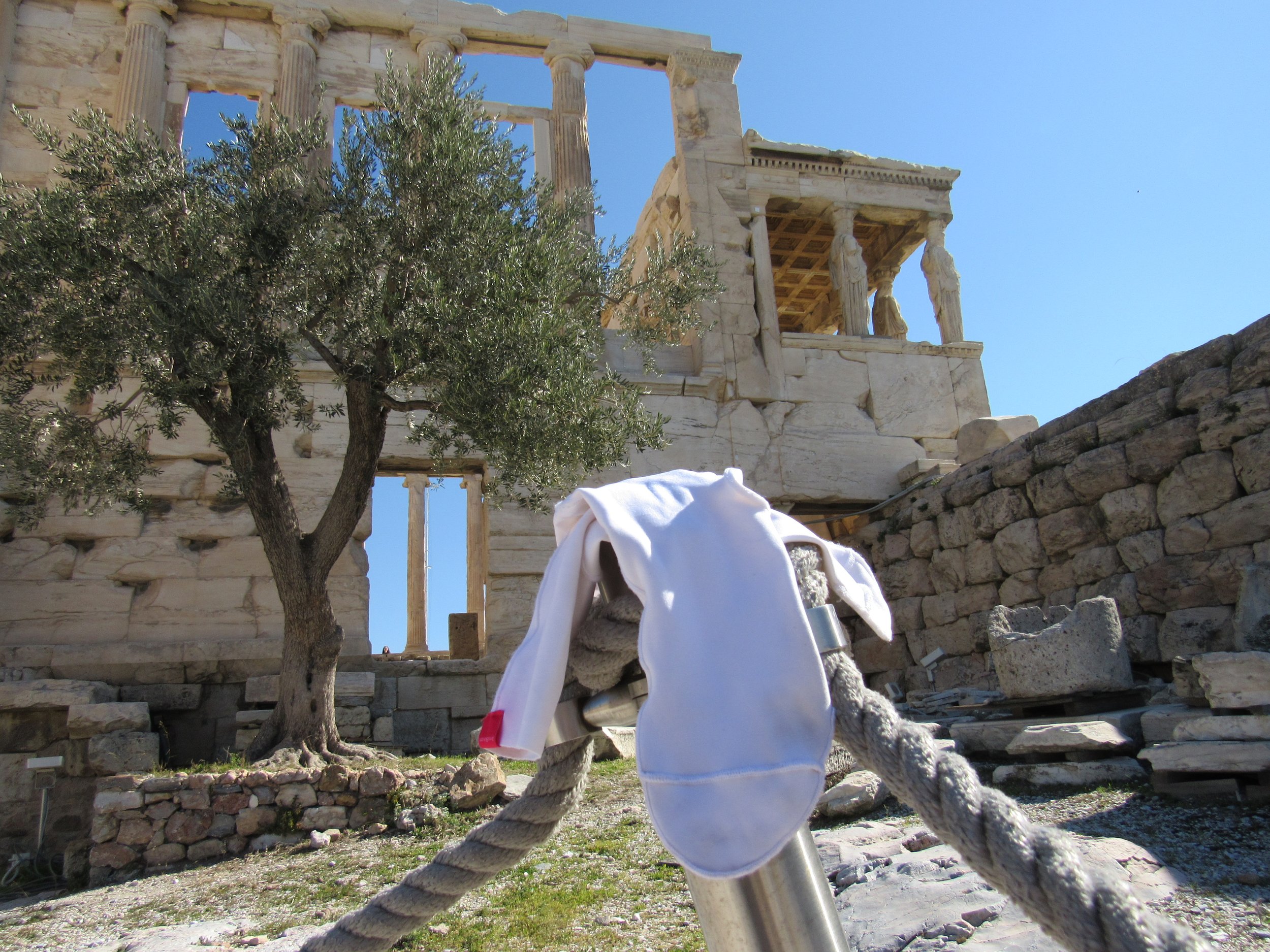
Whether at the Acropolis in Athens, on Safari in Africa,
or Hiking your Local Trails,
Armaskin has you covered!
Your blister protections socks!
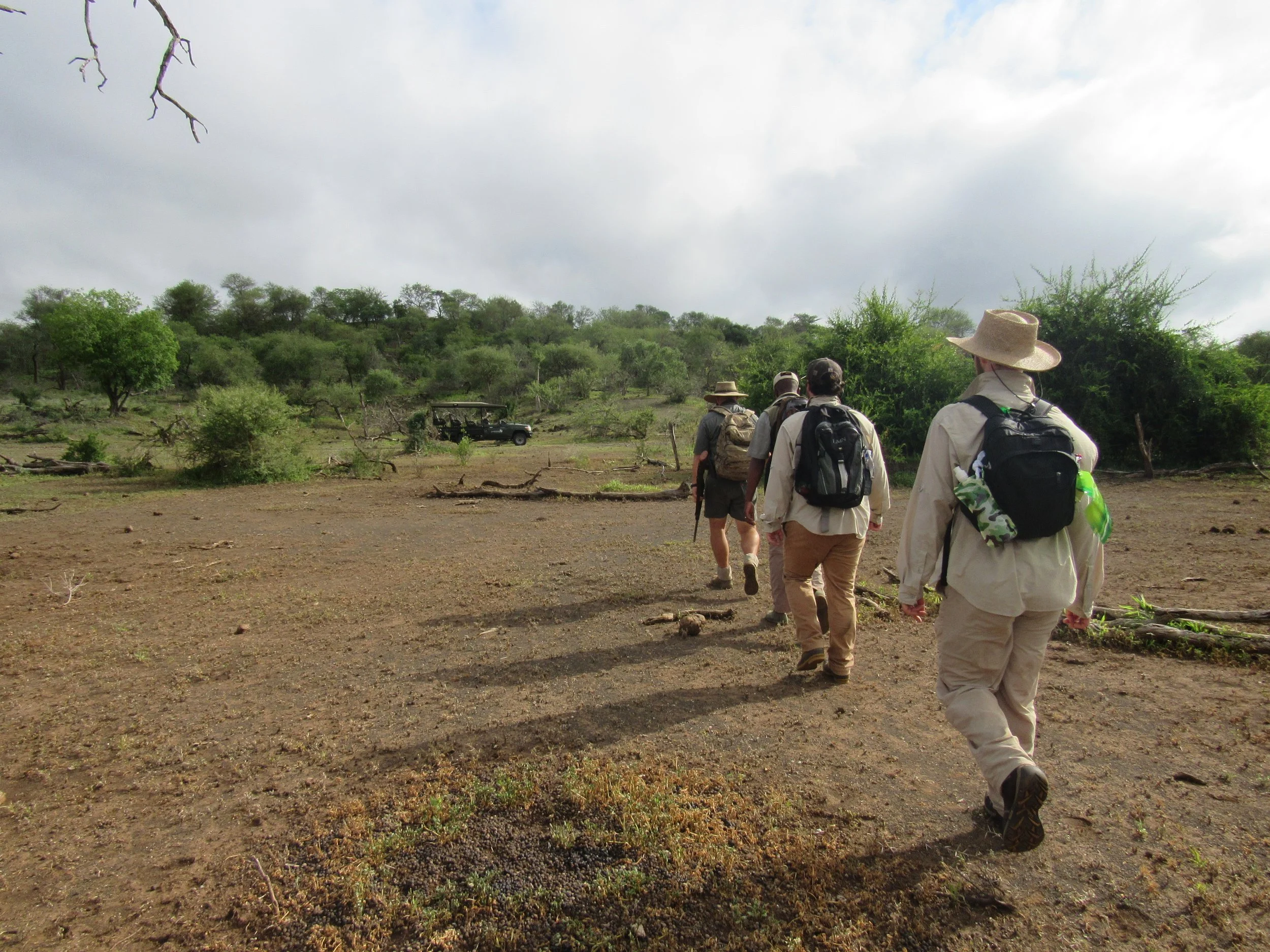
EcoTraining South Africa ©Flyga Twiga™ LLC
#TravelTuesday Thank you United on the RoK for the Feature

Why Perspective Is the Best Guide:
How Embracing Adventure Opened the Door to Flyga Twiga
Please turn to page 58.
#WildlifeWednesday Thank you EcoTraining for the Awesome New Flyer Design!

#MemorialDay In Honor of Memorial Day, Flyga Twiga™ Offers a Military History Safari
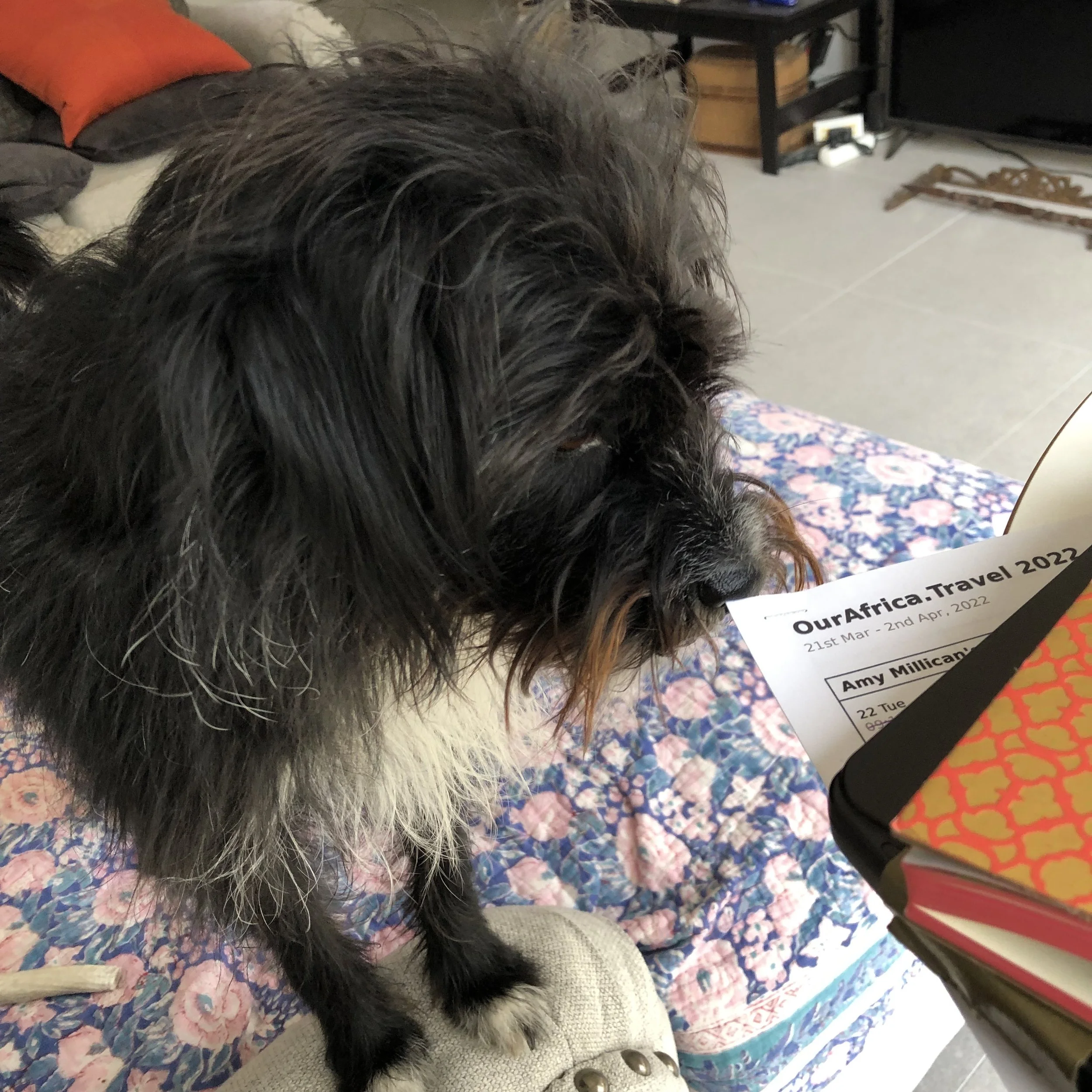
#TravelTuesday So happy to be attending Our Africa Travel 2022. My Office Mate is excited as well!

Timba Kenya ©Flyga Twiga™ LLC
#TravelTuesday 5 Must Ask Safari Questions Post Covid19

As our world prepares to travel again, a lot has changed in the Travel Industry. Here are 5 Must Ask Questions for your Safari Designer, to prepare you for the best, post Covid19 African Safari Experience.
Please feel free to use these same questions for all your travels. I think they apply to most Luxury Destinations, worldwide.
1) Have you lived or worked in (or even been to!) Africa?
A lot of excellent, knowledgeable industry experts were let go during the Pandemic. A disturbing shift saw their replacement by inexperienced staff. While “Junior Consultants’” low pay may help a company’s financial bottomline, the loss of Senior Travel Staff my mean the difference between a calamity ridden Safari, or the Wildlife Experience of a Lifetime.
You want an African Expert to help you design your Safari.
2) Why are you an Expert in the field of African Safari Planning?
This is a bit different than the above question. Flyga Twiga has been honored to have many people, who live and work in Africa, seeking our Safari services. With trusted, in-country partners, keeping up-to-date on industry changes, and personally living, working, & traveling extensively in East and Southern Africa - all create truly Expert Advice.
3) How long have you specialized in African Safaris?
A little known “Insider Secret” is many Big Box “Luxury” Travel Firms will move successful Sales Staff around. One week a staff member may be working on Cruises, then the next on African Safaris. I love a good Salesman. I also know specializations mean knowledge of travel specifics which may make or break a Safari Experience.

Ellie & Babies, Queen Elizabeth National Park, Uganda © Flyga Twiga™ LLC
4) Where are you headquartered?
Where the company is headquartered regulates business and banking laws. Your due diligence starts with knowing not only who, but also where, the professional accountability will be held. Consider this question an insurance policy – hoping for the best, while being prepared.
5) How long have you worked with your Destination Management Company (DMC)?
DMCs are our trusted, in-country partners. The DMC is the person(s) for whom your bespoke Safari Planner is vouching. They are telling you they know and rely on the DMC’s qualifications and professionalism. Why is this so important? I still get shutters thinking about the “Luxury Travel Expert”, who asked last year, on a Professional Luxury Travel Forum, if anyone had a DMC in Ethiopia. She was planning on sending clients to not only a place she had never been, but also with people she had never worked with.
You need to have faith that the people sending you on Safari, know and trust the people in charge of your Safari Experience.
As the questions suggest, you are really conducting an interview with the person you are entrusting with your African Safari safety and experience. These questions should assist in your traveling with confidence and the freedom to enjoy the amazing African Wildlife. Because our mission is for you to have a…
Happy Day! Safe Safari!

Two Brother Gorillas, Nyakagezi Group MGNP © Flyga Twiga™ LLC
#TravelTuesday Great to be back at Magical Kenya Travel Expo MKTE 2021 Virtual

Meeting with old friends and making new ones!
#WildlifeWednesday New Special Needs Mobility Challenged Safari

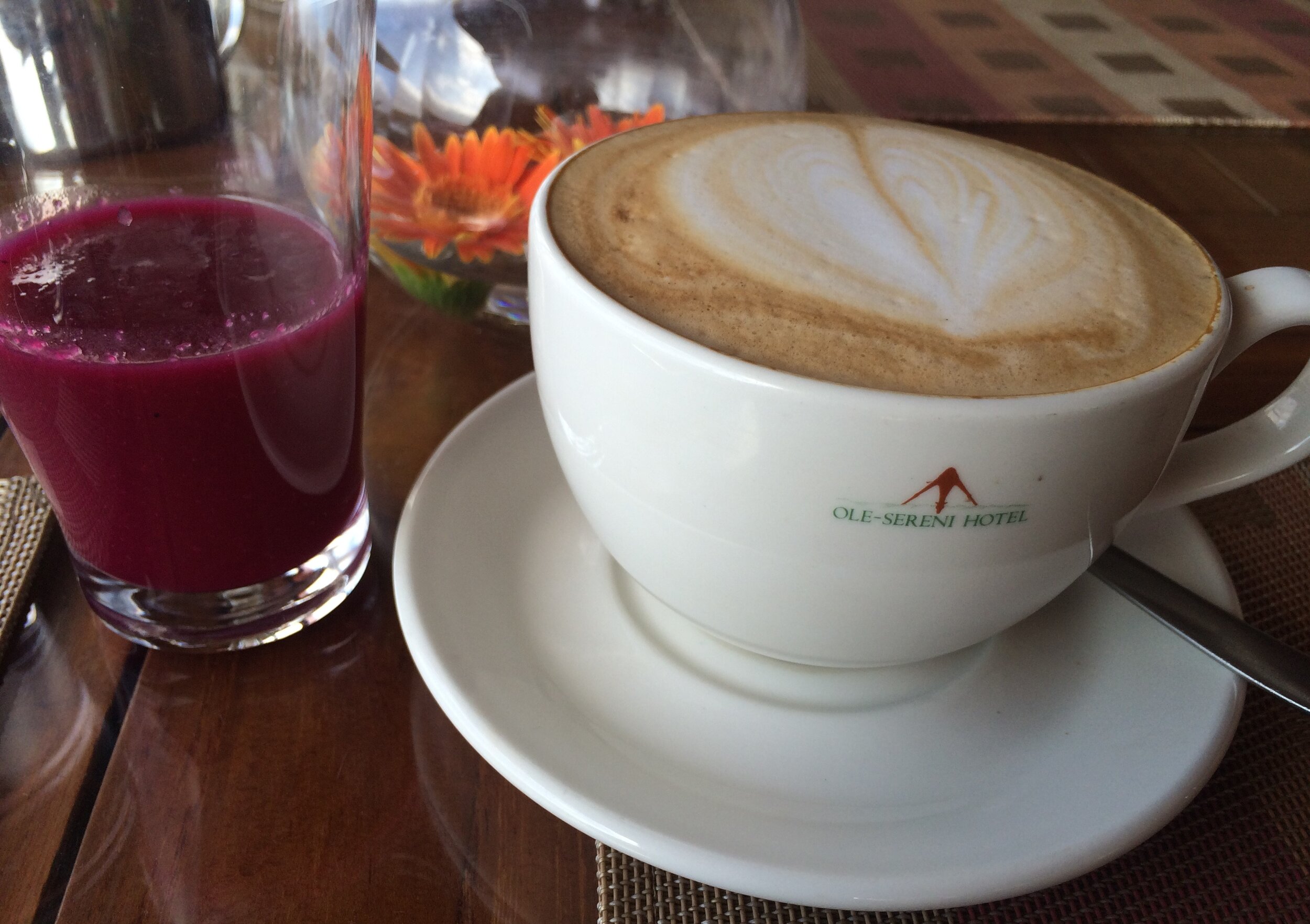
Morning Coffee & Beet Root Juice Ole Sereni Nairobi Kenya © Flyga Twiga™ LLC
#TravelTuesday Top 3 Safari Questions to Answer Before Your Bespoke African Safari Consultation

Top 3 Safari Questions
The first question people often ask is “How much does it cost to go on an African Safari?” While this question is understandable, there are 3 Questions I request Clients answer, prior to their first Bespoke Safari Consultation.
The Reason for the Consultation
Flyga Twiga™, as a Personal Safari Service and Consultancy, does not have pre-designed “packages”. Rather, the whole reason for the founding of Flyga Twiga is to give you the Safari Experience YOU want. Not what someone else “thinks” you want or should have.
So, prior to your first Personal Safari Consultation, please ask your self the following 3 Questions:
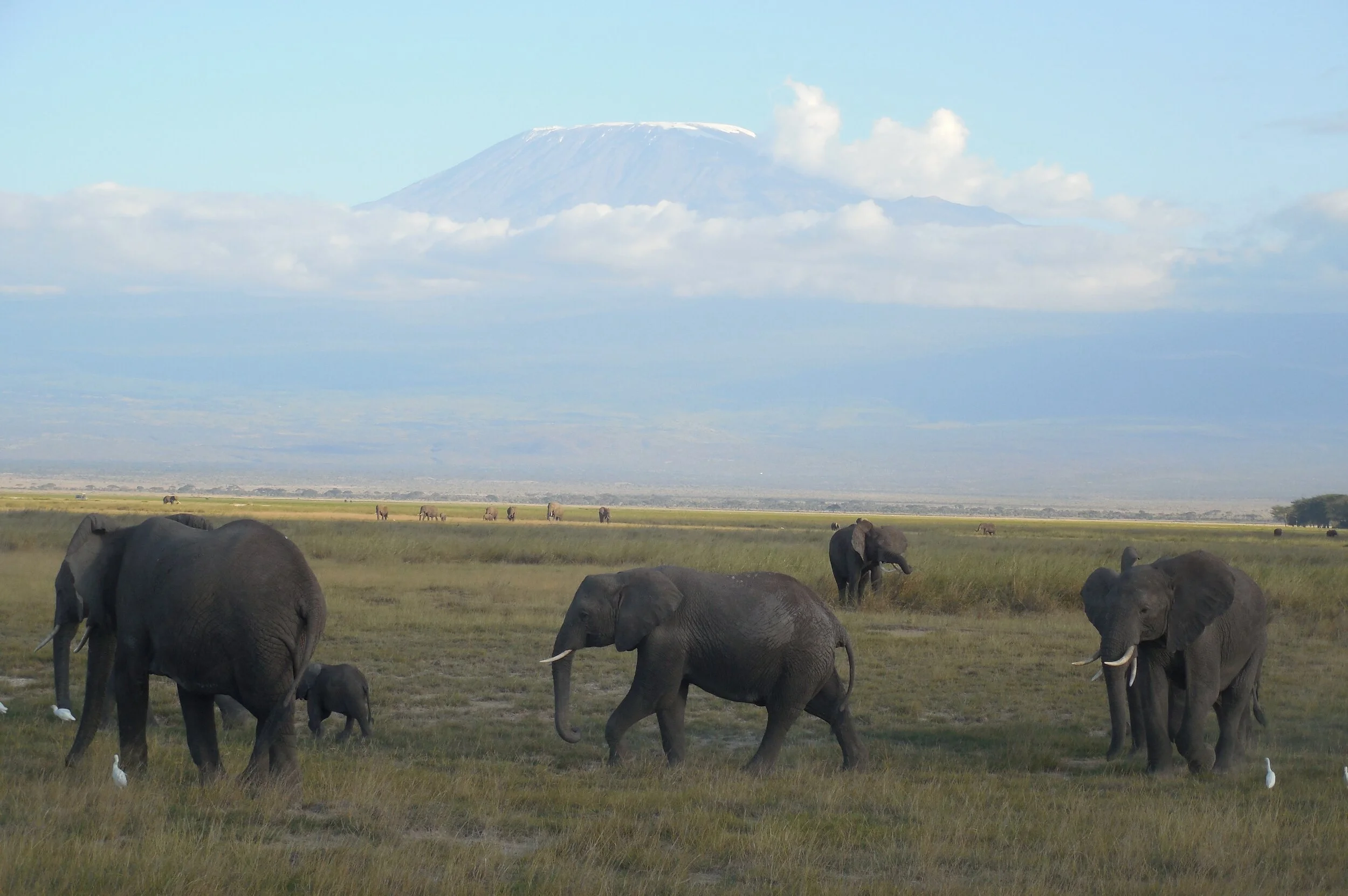
Ellies & Kili, Amboseli Kenya © Flyga Twiga™ LLC
1) Who is going on the Safari?
A couple, a family, a multi-generational family, friends, business associates… For example, while many Game Lodges and Safaris welcome young children, some restrict ages.
2) When do you want to go?
There are High Seasons and Low Seasons in East and Southern Africa. And most definitely benefits to each.
3) What is your “Dream Safari Experience”?
Each Safari should be as unique as your Dreams.
Perhaps you have your heart set on the great Mountain Gorillas. Or learning how to be a Safari Guide, on EcoTraining, is the adventure of a lifetime you seek. The unique Maasai Culture has fascinated you. Let’s make those dreams a reality.

Mgahinga Gorilla National Park © Flyga Twiga™ LLC
There a lot more fun and involved questions we will go over when we begin planning our bespoke Safari. These are just the exciting starting point…
Until we talk, please take a look at our suggested Safaris here.
Asante Sana & Happy Day! Safe Safari!
#WildlifeWednesday What is happening in Africa?!?!
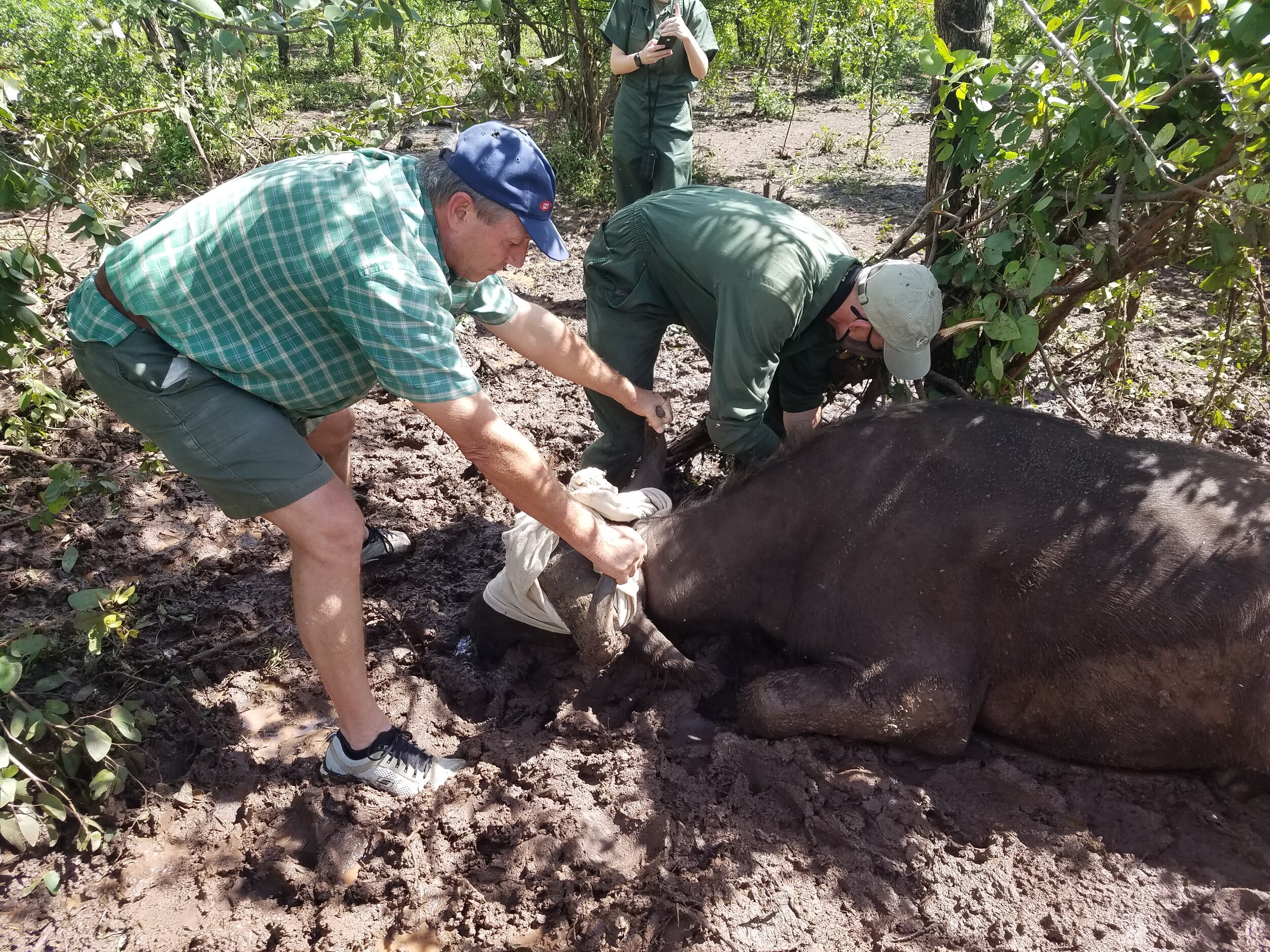
Photo Credit: © Clint Robertson Umdingi Safaris
There is good news.
And, there is bad news.
Starting with the bad news, first.
Thanks to OurAfrica.Travel 2021 Virtual Trade Show, I’ve spent the past few weeks catching up with friends, new & old. So, what is happening in Africa?
The rumors of horrendous Wildlife Poaching are all too real. Clint Robertson, of Umdingi Safaris, shared with me what his team is experiencing in Zimbabwe. Clint’s Umdingi Safaris Team are on the front lines of this unprecedented human and wildlife travesty. The African Tourism Industry is decimated.
As a result, Wildlife Poaching is on the rise!
Some hard facts: for each one (1!) person who worked in Wildlife Tourism, at least 6 people were dependent on their income. This is GONE. No tourists. No jobs. No income….no food. What would you do if your family was starving? The taking of African Wildlife for money and food is now irresistible.
Now for Good News!
I think the Good News will save both humans & wildlife.
African Tourism Is Coming Back!
OurAfrica.Travel generated immense excitement and energy. But, that is anecdotal, isn’t it? Then, yesterday I was contacted by a previous client - about an African Safari Family Vacation!
Traveling in Africa, for me and my clients, has always been about International Development, Wildlife Conservation, and Sustainable Tourism. Wildlife is being poached right now. Yet, as Tourist comes back, Safaris begin, and Travel returns, the beauty of the African Savannah will heal and journey back. And, we will be saying again, soon…
Happy Day! Safe Safari!

Photo Credit: OurAfrica.Travel 2021
Happy Lunar New Year! Thank you ArmaSkin for Again Honoring Me as an Ambassador!

Lunar New Year 2021 ©Flyga Twiga™ LLC
Deeply honored to again be asked by the awesome company Armaskin to be an Ambassador!
Looking forward to many, many new adventures in the new year!
#WildlifeWednesday Conservation in the Time of Covid19!
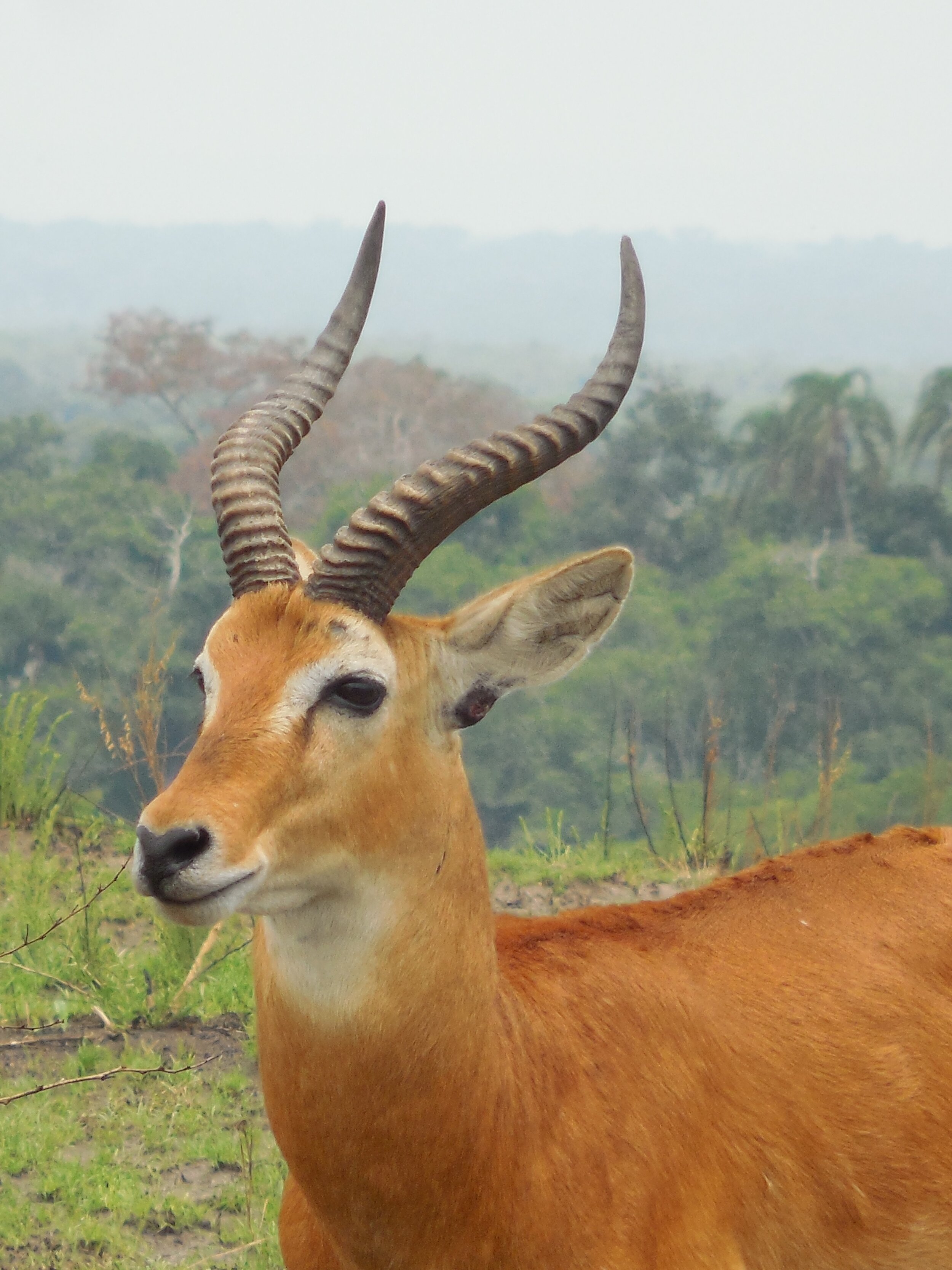
Impala, Queen Elizabeth National Park, Uganda ©Flyga Twiga™ LLC
Michael English
Cape Town, South Africa
How does your Safari benefit Conservation?
The last few months have put all our travel plans on hold due to Covid-19. Many of us are dreaming about freedom and where we will travel next. While this Pandemic is happening, the future of Africa’s natural landscapes hangs in the balance. How does your next vacation impact on this? In short, tourism keeps the Rhinos and Elephants alive.

Swimming Elephants Queen Elizabeth National Park ©Flyga Twiga™ LLC
Funding for Conservation
Game Reserves rely heavily on Tourism and related donor funding to support Conservation efforts. Funds raised support the continued existence of some of the World’s most biodiverse landscapes. It is estimated that less than 4% of the world’s charitable donations are to Wildlife and Conservation causes. South Africa has some of the best-funded National Parks and Conservancies in Africa, but just 25% of the money comes from the government. The rest is garnered through conservation fees levied on Tourists visiting these wildlife regions. Going on Safari!

Ready for Business!
EcoTraining Vehicle, South Africa © Flyga Twiga™ LLC
Conservation as Business will be the future of travel
It is estimated that 8 million tourism-related jobs in Africa are at risk due to the global shutdown. All Lodges, Bed & Breakfasts, and Hotels near Game Reserves provide employment and socio-economic benefits to the local community. Thereby giving value to the protection of these habitats. Conservation-as-business is going to be a key component of Tourism going forward. Moving beyond mere job creation, responsible Operators and Eco-Tourism will form the bedrock of local communities.
An example of low impact high-value sustainable tourism saved a species is that of the Mountain Gorillas. Here initially the Lodges were less concerned about being sustainable. However, their very presence meant that the Gorillas had economic value to the local community beyond that of bushmeat and muti. A greater goal was achieved, that of preserving an Ecosystem and saving a highly endangered Species that many agree without tourism would only exist in a zoo today.

Alpha Male Nyakagezi Group Mgahinga Gorilla National Park ©Flyga Twiga™ LLC
Conservation in the time of Covid-19
An effect of Covid-19 has been to bring these revenue streams to halt as Tourists can no longer travel. One of the greatest fears of Conservationists during the Covid-19 pandemic is that due to a lack of income for local communities, the animals and land will be viewed as a resource for the taking. Wildlife will be more valuable to them as bushmeat, or in trafficked parts.
The land better turned over to slash and burn agriculture. Human-wildlife conflict is already on the increase with a marked increase in reports of poaching incidents throughout Africa. We need to continue to show the local people the benefits of these regions.

Supporting Local Communities!
Maasai Village Amboseli National Park, Kenya © Flyga Twiga™ LLC
How you can support Conservation efforts
The best way to support conservation will be to travel once you can after Covid-19. Yet the reality is that we do not know how long we will have to wait to do so. The opportunity now is to use this time to dream and plan. Please click here if you would like to schedule a free, two-hour planning session. We will answer questions and help you plan your dream Safari. Our in-country Partners continually contact us & your interest would be a huge moral booster to the local communities. And, in turn, you will be helping and becoming a part of Sustainable Tourism and Wildlife Conservation.
Happy Day! Safe Safari!

We will be back!
Wildebeest Amboseli National Park, Kenya © Flyga Twiga™ LLC
Happy World Giraffe Day! The Vanishing Giraffe

Scarred Giraffe Uganda ©Flyga Twiga™ LLC Note: The Scar is most likely from fighting another Giraffe.
Michael English
Cape Town, South Africa
The name Flyga Twiga is a combination of Swedish (Flyga) = Flying and Swahili (Twiga) = Giraffe. Giraffes are one of Amy Millican's favourite animals, inspiring her to name her company after them. Giraffes are one of the iconic Megafauna of Africa that many travellers look forward to seeing on Safari.

Giraffe Tower Uganda ©Flyga Twiga™ LLC A group of Giraffe is appropriately called a Tower.
Conservation Status of Giraffe
Giraffes are often overlooked from a Wildlife Conservation point of view. Therefore, it came as a shock to many when they were moved to the “Vulnerable Classification” on the International Union for Conservation of Nature’s (IUCN) Red List in 2016.
There are currently 9 sub-species of Giraffes recognised. Many of the sub-species such as the Kordofan and Nubian Giraffes are listed as “Critically Endangered” on the IUCN Red List. Even the Masai Giraffes, that many will be familiar with from their East Africa Safari, was listed as endangered in 2019.
Why did this happen so suddenly? It has not been that sudden. Giraffe numbers have declined by 40% in the last three decades alone. It is estimated that there are only about 68,000 mature individuals of breeding age left.

Giraffes Uganda ©Flyga Twiga™ LLC
Threats Facing Giraffe
The plight facing the Giraffe is the same that faces all our Wildlife and Ecosystems. They have been somewhat overlooked as the plight of Lion, Elephant, and Rhino made the headlines.
Now, people are starting to realise the Giraffe are also vanishing. More projects and studies are being conducted to understand the best way to help conserve the tallest land mammal. Following are some of the major threats facing these beautiful creatures.
Habitat Loss
The greatest threat facing Giraffe is that of habitat loss. One of the major contributors to this is the charcoal industry. Charcoal is the main source of fuel for Local Communities throughout their range. This leads to trees being cut down which are the Giraffe’s food source.
The situation is exacerbated by variations in weather. Droughts and unpredictable Rainy Seasons are impacting the growth of the specific trees that giraffes feed on, such as the Giraffe’s favourite, the Acacia Tree.
Fragmented Populations
Giraffes, along with most Wildlife, have been forced into living in “Protected Areas”, which are small pockets spread out from each other. This means that the Giraffes are confined and can only mate within a small Genetic Pool. This makes the species weaker and more vulnerable to disease.
Poaching
Giraffes are poached not only for their meat to feed local communities, but also for their use in traditional African medicine. Sadly, their tails are also popular in Western Africa as a good luck charm.

Giraffe Kenya ©Flyga Twiga™ LLC
How can you help?
There are many ways you can help, even from home.
Share
Talk with others about the challenges facing Giraffes. Sharing this important information will help enlighten others about the Vanishing Giraffe.
Research
Many conservation groups, such as the Wildlife Conservation Society, have a wealth of information. Your knowledge, combined with sharing, can be a powerful force in helping save the Giraffes.
Go on Safari!
Giraffes, as with all African Wildlife, have great value to local communities through Safaris. Your Safari is part of Wildlife Conservation. In addition to seeing these “Beauty Queens of the Bushveld” in person, your Safari will help protect their future and future generations.
Now is the time to Share, Research, and plan your African Safari and help save the majestic Vanishing Giraffes!

Giraffe Among Acacia Queen Elizabeth National Park Uganda ©Flyga Twiga™ LLC